



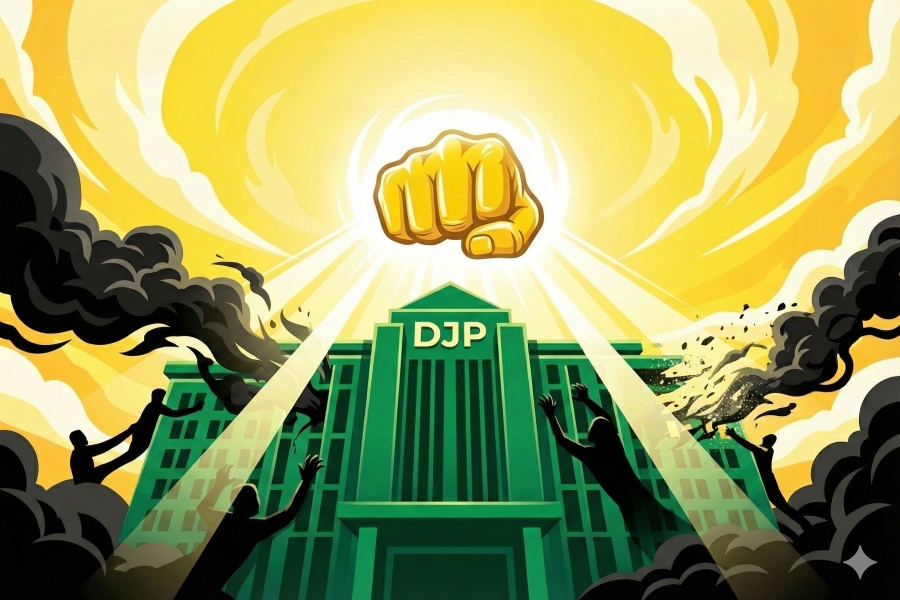
The Directorate General of Taxes (DJP) is undertaking total reform following corruption cases ensnaring its officials. Director General Bimo Wijayanto officially abolishes feudal culture in the workplace while expanding surveillance nets capable of detecting citizens without tax IDs. Observers urge remuneration system overhauls and strict supervision of the export sector to plug state revenue leaks.
Director General of Taxes, Bimo Wijayanto, emphasized his commitment to burying the feudal culture that has long plagued the DJP bureaucracy, such as the habit of subordinates carrying superiors' bags deemed an unwritten obligation. Bimo demands a shift in leadership style to be more humanist and collaborative, where rigid instructions like "finish immediately" must be replaced with invitations like "let's work on this together" to build real exemplary leadership. This cultural improvement is considered crucial to restoring public trust and creating a professional work environment free from unhealthy power relations.
This internal improvement effort runs parallel with a much more aggressive external strategy in chasing state revenue potential.
The DJP has expanded its authority through Minister of Finance Regulation (PMK) Number 111 of 2025, allowing the sending of Request for Explanation on Data and/or Information (SP2DK) to subjects not yet registered as taxpayers. Director General Bimo explained that increasingly comprehensive data integration allows tax officers to detect entities meeting objective and subjective requirements but lacking a Tax ID (NPWP), as part of tax extensification strategies. This proactive policy ensures that economic actors can no longer hide from tax obligations simply because they did not voluntarily register themselves.
However, the sophistication of this tracking system is deemed insufficient if corruption loopholes and leaks in strategic sectors are not seriously plugged.
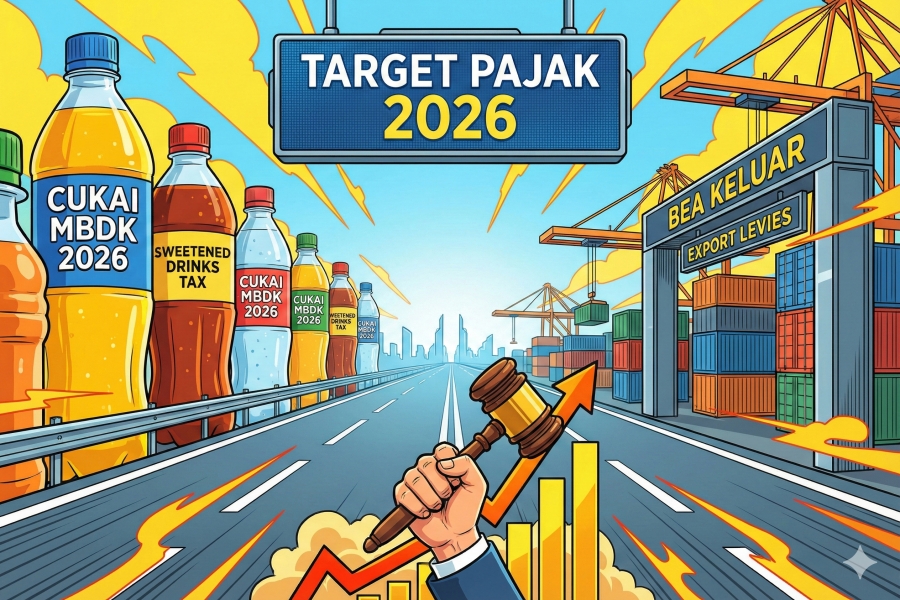
Celios Executive Director, Bhima Yudhistira, urged the government to focus on uncovering under-invoicing and under-reporting practices in the exporter community, which often understate transaction values to avoid taxes. He also proposed implementing collective responsibility sanctions, where the remuneration of an entire office must be lowered if an employee is proven corrupt but the whistleblowing system fails to operate effectively. On the other hand, CITA Observer Fajry Akbar warned that chasing corruption money alone would not suffice to patch the 2026 revenue target, as the modus operandi of rogue officials often involves extortion which harms taxpayers more than the state.
These drastic changes serve as a warning signal for export sector businesses and wealthy individuals without Tax IDs, as customs data and financial transactions are now directly connected to the DJP radar. For tax employees, the era of feudal comfort has ended, replaced by demands for high integrity where their salaries are now at stake due to the behavior of their colleagues.
The Ministry of Finance is conducting a massive "cleanup" demanding total transparency from two directions: tax officials must discard the aristocrat mentality, while the public can no longer hide assets behind non-registered status. Taxpayers are advised to immediately tidy up asset reporting voluntarily through the Coretax system before an SP2DK love letter lands at their door.















 tpc.consulting
  tpc.consulting
  info@taxindo.co.id