


SUMMARY
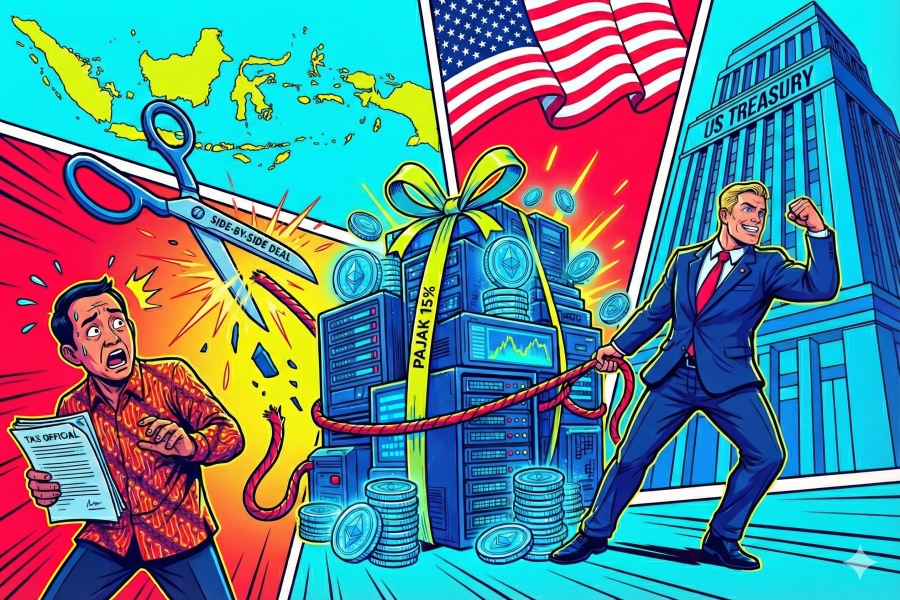
Indonesia's hope of reaping significant taxes from tech giants has vanished after the United States successfully exempted its corporations from the OECD global minimum tax through a side-by-side agreement. Treasury Secretary Scott Bessent's protective move cancels Biden-era plans to safeguard fiscal sovereignty and domestic R&D incentives. Consequently, Indonesia loses potential state revenue from massive digital entities like Google and Microsoft operating within the country.
US Treasury Secretary Scott Bessent has just announced an absolute victory for American corporations through a global minimum tax exemption agreement with over 100 OECD countries. He asserted that Joe Biden-era policies are officially annulled to maintain fiscal sovereignty and protect domestic research incentives, following President Donald Trump's executive order.
This maneuver ensures that US-headquartered companies are subject only to their own nation's tax rules without foreign jurisdiction interference, while simultaneously securing their R&D tax credits. Washington's success in securing these privileges triggers a worrying domino effect for developing nations hoping for a fairer share of the tax pie.
Indonesia now faces a harsh reality as it cannot impose the 15 percent minimum tax rate (Pillar Two) on tech giants like Google and Microsoft, despite their massive profits in the domestic market. This side-by-side agreement effectively blocks the application of additional taxes on US entities, even though the Indonesian government has prepared domestic regulations to take effect gradually from early 2025 to full reporting in 2028.
Indonesian tax authorities can only watch as significant potential revenue vanishes because international rules now absolutely recognize US tax sovereignty. This complex situation forces global business players to rethink their competitive strategies amidst the unequal treatment of multinational companies.
This drastic shift creates an uneven playing field where US corporations enjoy fiscal privileges compared to competitors from other nations adhering to global rules. Developing countries face a double loss: missing out on tax revenue from the digital economy and the risk of investment flows being sucked back into the United States due to these protectionist incentives.
Local investors must prepare to face the increasingly unstoppable dominance of US tech companies due to their more efficient cost structures without the burden of additional taxes.
US economic dominance has once again proven capable of dictating international financial governance, forcing the world to accept a double standard in cross-border taxation that benefits a single party.

















 tpc.consulting
  tpc.consulting
  info@taxindo.co.id