



Today, the taxation and customs sectors are again highlighting measures for tightening oversight and modernizing services to strengthen state revenue and trade integrity. The primary focus is directed at the National Single Window (LNSW) strategy of the Ministry of Finance in curbing the practice of underinvoicing that harms the state. Concurrently, the government is finalizing regulations for Taxpayer compliance oversight, while revenue from digital tax continues to show significant growth. On the other hand, the discussion about tax incentives and relief emerges alongside State-Owned Enterprise (SOE) corporate actions for restructuring and business expansion.
The Government is finalizing regulations governing the oversight of Taxpayer (WP) compliance. These regulations are designed to strengthen the monitoring mechanisms and law enforcement against WPs so that tax compliance can be improved comprehensively. In line with this, the National Single Window Agency (LNSW) of the Ministry of Finance is implementing a series of strategies to counter underinvoicing practices, primarily through data integration and import risk profiling systems, which aim to enhance the accuracy of customs valuation and secure state revenue from the import sector.
In the digital sector, the Directorate General of Taxes (DJP) continues to expand the digital tax base, where in-app purchases (such as in the game Roblox) will be subject to Value Added Tax (VAT). To date, the DJP has collected digital tax revenue amounting to Rp4.375 trillion, demonstrating the effectiveness of tax collection from electronic transactions.
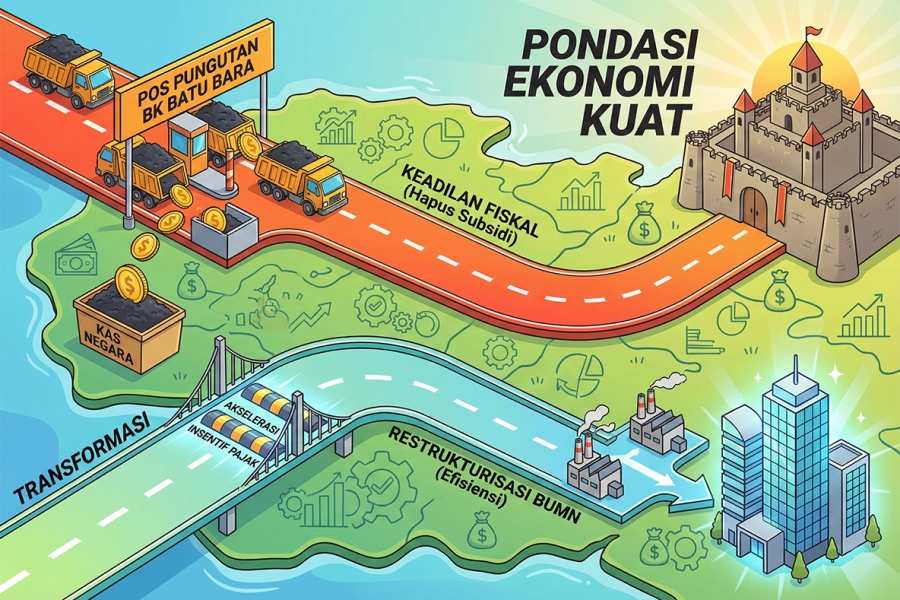
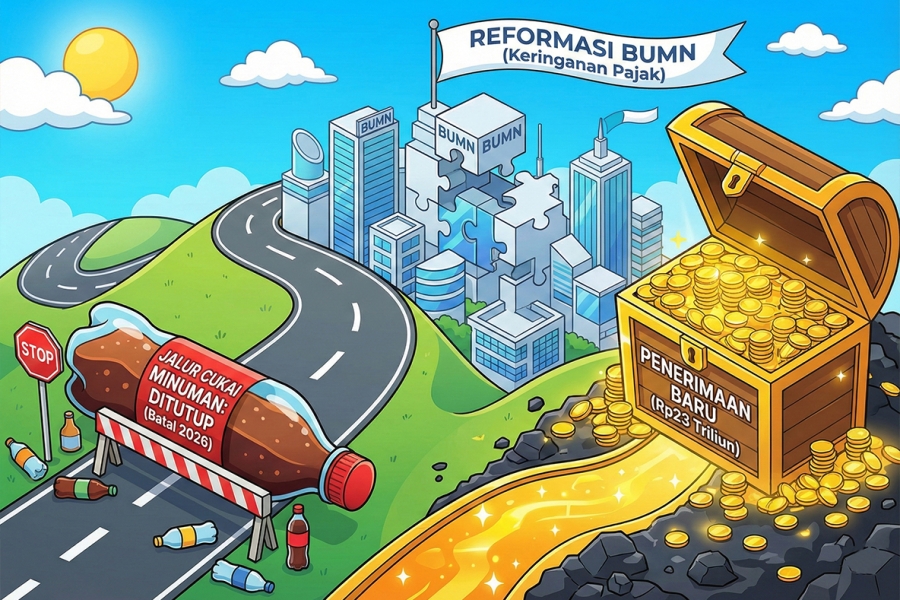
Meanwhile, concerning strategic fiscal support, the Government is using capital injections and tax relief as an "incentive" in SOE corporate actions, including for Danantara. This policy aims to strengthen the SOEs' capital structure and support the sustainability of national strategic projects. Regarding a specific request, Finance Minister Purbaya stated he would carefully study the tax incentive request submitted by the Danantara company.
Today's developments have direct implications for trade integrity, fiscal compliance, and business strategy. The LNSW strategy to counter underinvoicing creates a fairer and more transparent import environment, but demands greater reporting accuracy from importing WPs. The finalization of WP oversight rules potentially increases the cost of compliance for WPs, but is essential for strengthening state revenue. Tax relief as an incentive for SOE corporate actions provides fiscal flexibility to SOEs for restructuring and investment, but requires strict supervision to prevent misuse. Meanwhile, the significant digital tax revenue, including from games like Roblox, confirms the success of tax extensification into the digital economy.
Overall, Indonesia's fiscal authorities are showing a dual commitment: tightening oversight against illegal underinvoicing practices through LNSW and strengthening WP compliance regulations, balanced with strategic support through tax incentives/relief for SOE corporate actions. The continuously rising digital tax revenue stands as a success model for tax extensification. WPs and business actors must adapt to an increasingly integrated and strict monitoring system, while ensuring compliance amidst the modernization of tax services.












 tpc.consulting
  tpc.consulting
  info@taxindo.co.id