


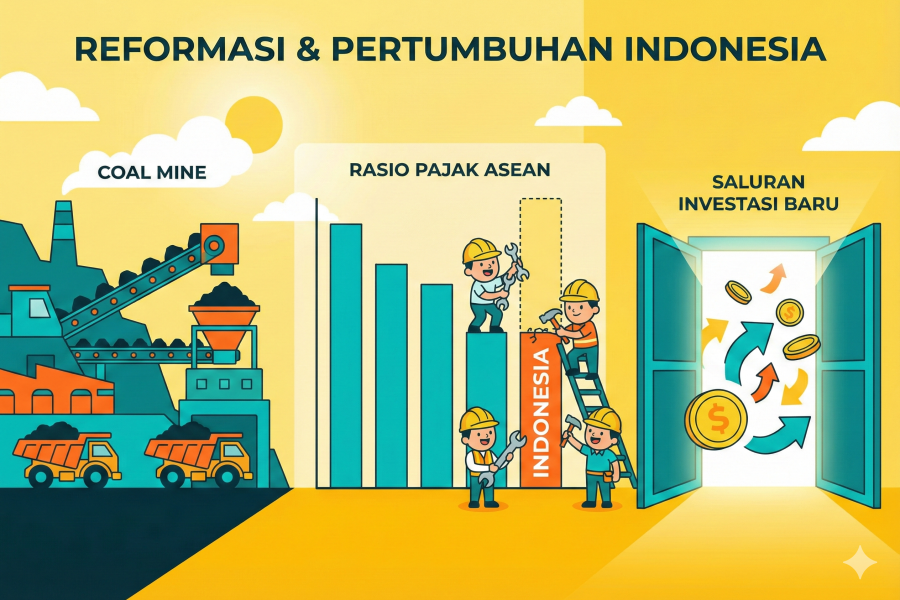
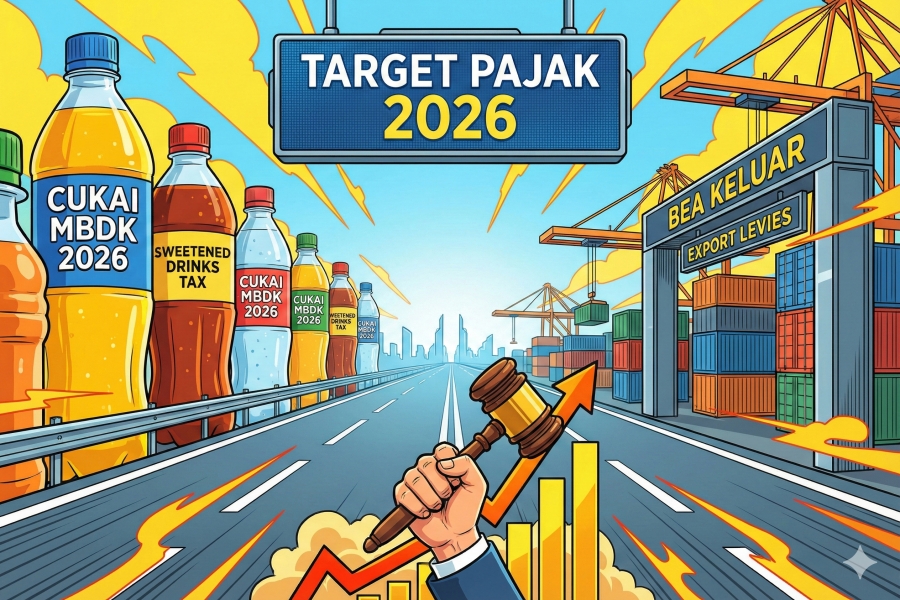
Today’s fiscal policy focus highlights efforts to intensify state revenue through commodity sector regulations and the optimization of the domestic tax base amidst challenging regional performance comparisons. The government is finalizing technical rules in the extractive sector to secure the state treasury, while individual income tax policies are maintained within the current corridor to preserve revenue stability. This brief report reviews the development of export duty regulations, Indonesia's tax ratio challenges in Southeast Asia, and the government's commitment to providing cross-sectoral solution channels for business actors.
The Ministry of Finance has established that there will be no increase in the Non-Taxable Income (PTKP) threshold for the year 2026 as an effort to keep the taxation base broad. This policy is taken to ensure the stability of tax revenue from the individual sector amidst increasing state budget requirements. This condition has become crucial, as latest data indicates that Indonesia's tax ratio is the second lowest in the ASEAN region, where Indonesia's position lags significantly behind Vietnam's achievements.
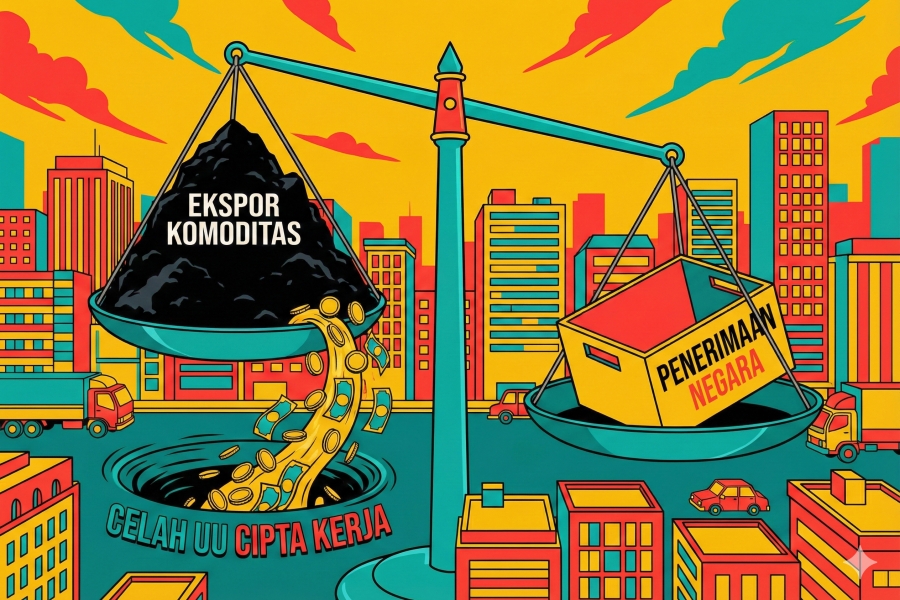
In the commodity sector, the Ministry of Finance is completing the finalization of coal export duty regulations, which is targeted for completion this month to optimize revenue from windfall profits in the extractive sector. This regulatory step was taken because several parties highlighted the dynamics of Coal Value Added Tax (VAT), which is considered more beneficial to business actors than its fair contribution to the state treasury. This dilemmatic condition triggers a debate regarding the need for regulatory adjustments to create a balance in economic value distribution between large corporations and national fiscal revenue.
To maintain a conducive investment climate amidst these tightening regulations, the government has launched a new official channel to address operational problems of an inter-ministerial nature for business actors. This facility functions as a development platform from the previous rapid response program to provide legal certainty and bureaucratic efficiency for investors. Through the integration of this channel, the government hopes to facilitate the resolution of regulatory obstacles that often hinder business activities in Indonesia.
The current regulatory dynamics and Indonesia's fiscal position bring serious implications for tax collection strategies and the investment climate. The decision not to raise the PTKP implies a continued high real tax burden for low-income earners amidst inflation, which risks dampening domestic consumption growth. Meanwhile, Indonesia's status as a low tax ratio country in ASEAN implies the potential for increased oversight intensity (audits) by the DJP to catch up with neighboring countries. In the commodity sector, the finalization of coal export duties implies an adjustment in the profit margins of exporting companies, but on the other hand, provides additional certainty for state revenue at the end of the year. Lastly, the provision of official inter-ministerial channels implies increased confidence among business actors regarding the ease of doing business in Indonesia.
In broad terms, the government is striving to balance the extraction of revenue potential from the natural resource sector with the defense of the existing domestic tax base. Despite facing criticism regarding the low tax ratio and PTKP stagnation, technical steps through export duty regulations and bureaucratic improvements via complaint channels demonstrate an effort to modernize fiscal administration. The seriousness in executing these reforms will determine whether Indonesia can improve its fiscal position at the regional level without excessively sacrificing public purchasing power.
















 tpc.consulting
  tpc.consulting
  info@taxindo.co.id