



The 2025 state budget deficit is confirmed to widen as tax revenue targets are missed, triggered by massive tax refunds (restitution) from the mining sector. The Ministry of Finance is now targeting coal businessmen with a tiered export duty scheme of up to 11% starting in 2026 to plug the leak. This move is taken as a correction to the Job Creation Law impact, which is seen as unintentionally 'subsidizing' wealthy industries.
Finance Minister Purbaya Yudhi Sadewa has issued a warning signal that the 2025 State Budget (APBN) deficit will widen beyond the 2.78 percent GDP outlook. This widening fiscal gap is occurring because realized tax revenue has experienced a shortfall, reaching only IDR 1,634.4 trillion by the end of November 2025. Nevertheless, the government guarantees that the final deficit figure will be kept below the safe fiscal discipline limit of 3 percent as mandated by law, pending the consolidation of final data at the year-end book closing.
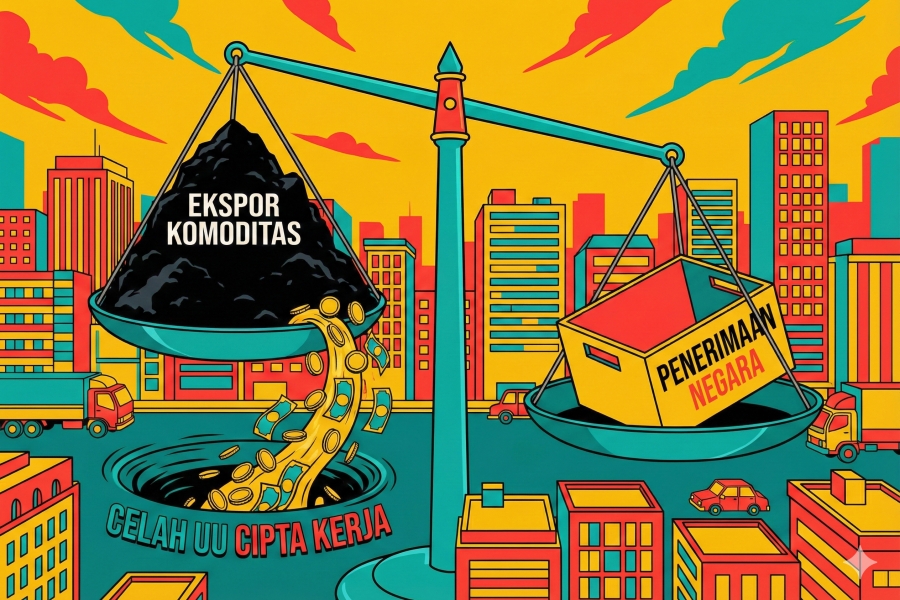
In-depth analysis by the Ministry of Finance found that this revenue collapse was heavily influenced by high tax restitution amounting to IDR 351 trillion, primarily from the coal mining sector. Febrio Nathan Kacaribu, Director General of Economic and Fiscal Strategy, explained that the implementation of the Job Creation Law (UU Cipta Kerja) changed the status of coal to a Taxable Good, allowing businesses to claim Input Tax refunds since exports are subject to a 0 percent VAT rate. The government is now recalculating the impact of this regulation as this mechanism is deemed to provide an indirect subsidy to commodity exporters who should be contributing significant foreign exchange to the state.
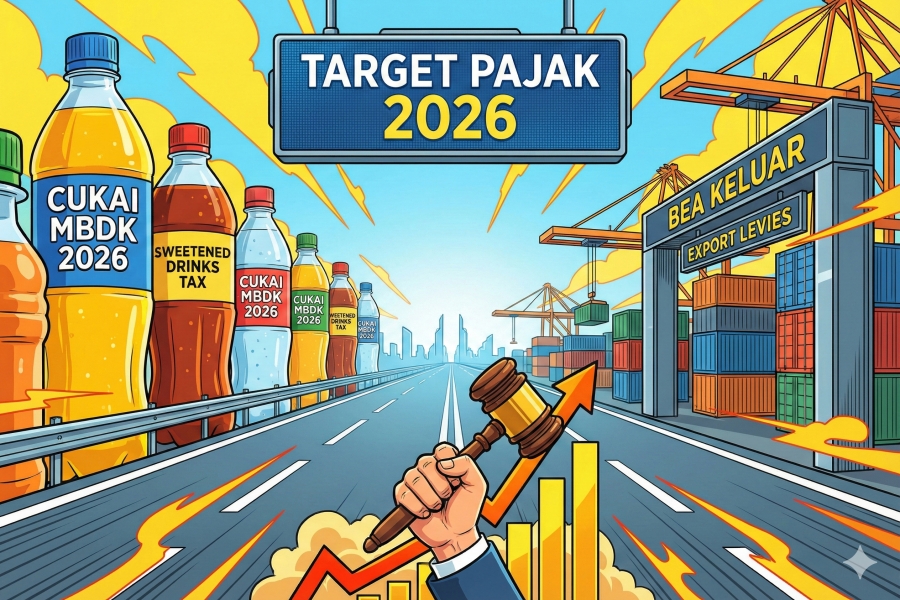
To reverse the situation and recover state revenue, the government is finalizing a tiered coal export duty scheme ranging from 5 percent to 11 percent, effective from 2026. Minister Purbaya asserted that this levy will adjust to market price fluctuations and targets additional state revenue of up to IDR 25 trillion per year. Although the technical regulations are still being finalized and facing protests from business players, the government is keeping the option open to apply the rule retroactively from January 1, 2026, to pursue fiscal justice targets.
This aggressive policy carries serious implications for mining issuers and investors who must prepare for eroded profit margins due to this new cost component. On the other hand, this move serves as a positive signal for the state's long-term fiscal health by reducing reliance on debt to cover budget deficits. The general public is expected to benefit from this income redistribution through more optimal government spending, provided that these funds do not leak again due to bureaucratic inefficiencies.
The turmoil over tax restitution and the planned export duty leads to the conclusion that the government is striving to balance the financial sheets by correcting omnibus law policies that have proven to suppress state revenue.
APBN 2025, budget deficit, coal export duty, tax restitution, Job Creation Law, Purbaya Yudhi Sadewa, tax shortfall, commodity exports, fiscal policy, Indonesian economy.
















 tpc.consulting
  tpc.consulting
  info@taxindo.co.id