Fiscal Strategy and Tax Compliance Dynamics Ahead of 2026
Taxindo Prime Consulting
Tuesday, September 30, 2025 | 11:20 WIB
Optimized with Google Chrome
These policy moves aim to safeguard state revenue targets amid both global and domestic challenges, including efforts to enhance international tax cooperation and crack down on illegal cigarettes.
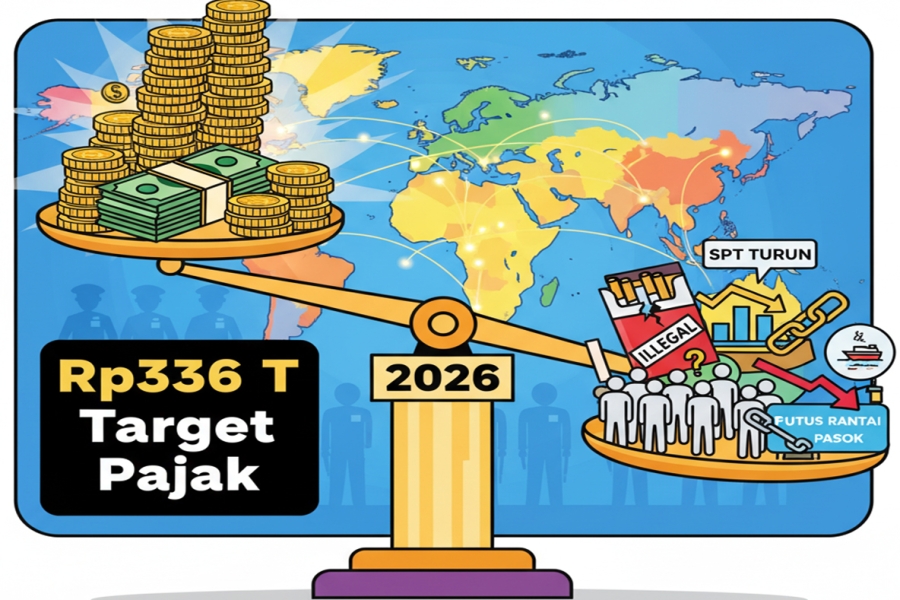
Finance Minister Purbaya Yudhi Sadewa announced a strategic decision to keep Tobacco Excise (CHT) tariffs unchanged for 2026, providing certainty for the cigarette industry despite the ambitious excise and customs revenue target of IDR 336 trillion under the 2026 state budget. To achieve this target without raising rates, the government is strengthening revenue security through stricter law enforcement and large-scale crackdowns on illegal cigarette circulation, while also developing Tobacco Industry Zones (KIHT) as a one-stop service to encourage illegal producers to shift into formal compliance.
On the domestic tax side, the Directorate General of Taxes (DGT) faces challenges as the number of taxpayers filing their 2025 Annual Tax Returns (SPT) is projected to decline to around 14 million, compared with the previous year. The DGT is analyzing the causes of this drop—particularly among individual taxpayers—while preparing the Core Tax System to improve future filing processes. At the global level, Indonesia is playing an active role in the UN Global Tax Cooperation Convention, highlighting four key issues, including combating tax evasion and optimizing taxation of the digital economy, reflecting Indonesia’s push for international tax fairness.
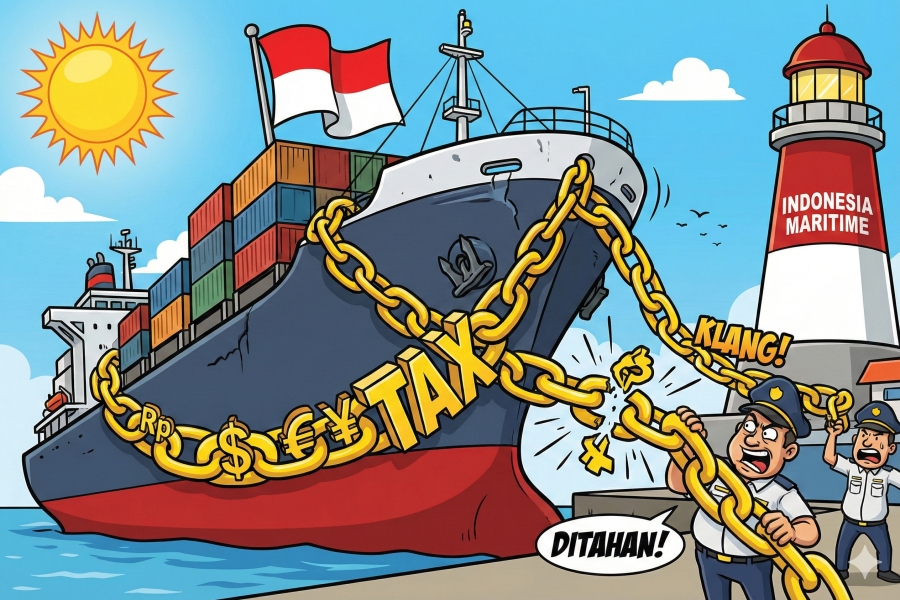
Meanwhile, the business sector is concerned about potential disruptions from tighter import inspections. Business associations warn that stricter customs checks could disrupt logistics flows and raise costs, ultimately undermining the competitiveness of domestic products due to possible delays in raw material supply. They have called on port and customs authorities to align stricter oversight with import efficiency so that enforcement goals are achieved without harming business activity.
The government’s decision not to raise tobacco excise rates in 2026 provides certainty for the tobacco industry in planning production and investment, while also helping maintain stable retail prices. However, the ambitious revenue target of IDR 336 trillion heavily depends on the effectiveness of efforts to curb illegal cigarette distribution. For businesses reliant on imports, tighter inspection measures must be carefully managed, as they risk supply chain disruptions and higher logistics costs, which could erode overall competitiveness. Meanwhile, declining taxpayer compliance signals the need for the DGT to revise its education and enforcement strategies. At the same time, Indonesia’s prominent stance at the UN tax forum underscores its commitment to a fairer global tax system—and issue of critical importance for multinational businesses.
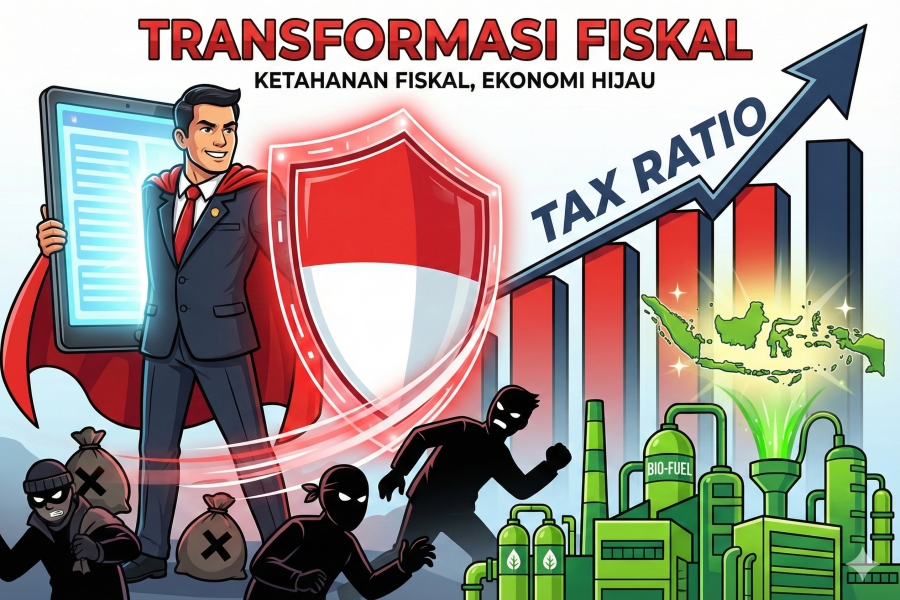
The interplay of fiscal and regulatory measures across taxation, customs, and industry will shape Indonesia’s business climate moving into 2026. The certainty of tobacco excise tariffs, new enforcement-driven revenue strategies, declining tax compliance, and tighter import rules all demand close attention from businesses and investors. A thorough understanding of these regulatory dynamics—and the government’s commitment to system improvements—will be key to making informed business decisions and mitigating risks amid shifting market conditions and policy changes.

















 tpc.consulting
  tpc.consulting
  info@taxindo.co.id