Fiscal Focus on Investment and Tourism Amid Digital Tax and Rupiah Challenges
Taxindo Prime Consulting
Thursday, October 02, 2025 | 11:47 WIB
Optimized with Google Chrome
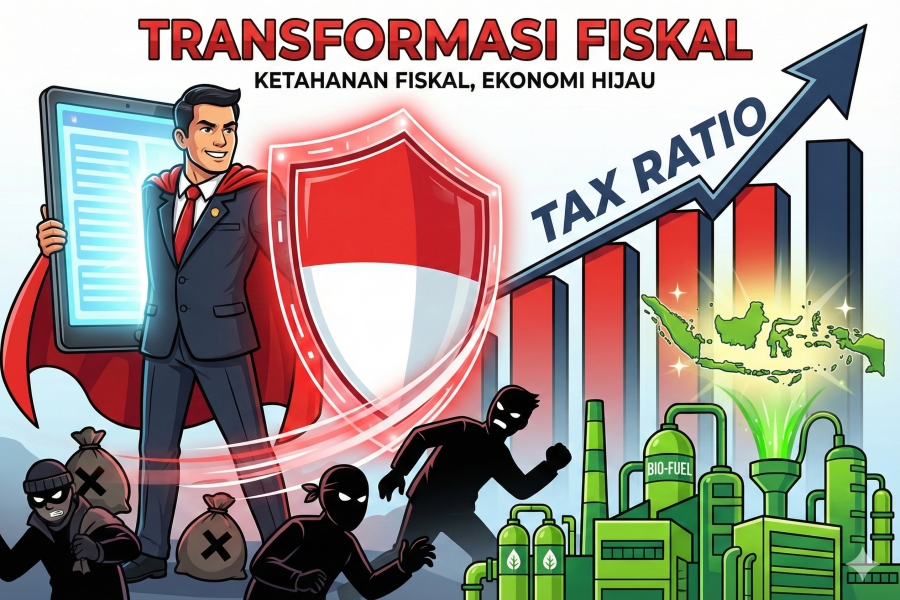
The dynamics of early October 2025 reveal a synergy between Indonesia’s fiscal and investment policies, ranging from sectoral tax incentives to the strengthening of inter-agency cooperation. However, while aiming to boost the economy, regulatory challenges emerge in collecting digital economy tax and constraints on the competitiveness of domestic downstream products due to a layered tax structure. This summary provides a comprehensive overview of these key issues impacting the direction of national fiscal policy and the investment climate.
The Indonesian government is taking strategic steps focused on boosting investment and domestic purchasing power. The Ministry of Tourism and Creative Economy (Kemenparekraf) confirms that the implementation of the Employee Income Tax (PPh) incentive for the hotel and restaurant sector is effective this month, aiming to provide direct support for purchasing power and stimulate growth in the tourism industry. In line with efforts to encourage investment, the Directorate General of Taxes (DJP) strengthens synergy with the Investment Coordinating Board (BKPM) to integrate data and supervision. This cooperation aims to simplify tax obligations for investors while ensuring that government fiscal incentives are truly realized, thereby fostering sustained national economic growth.
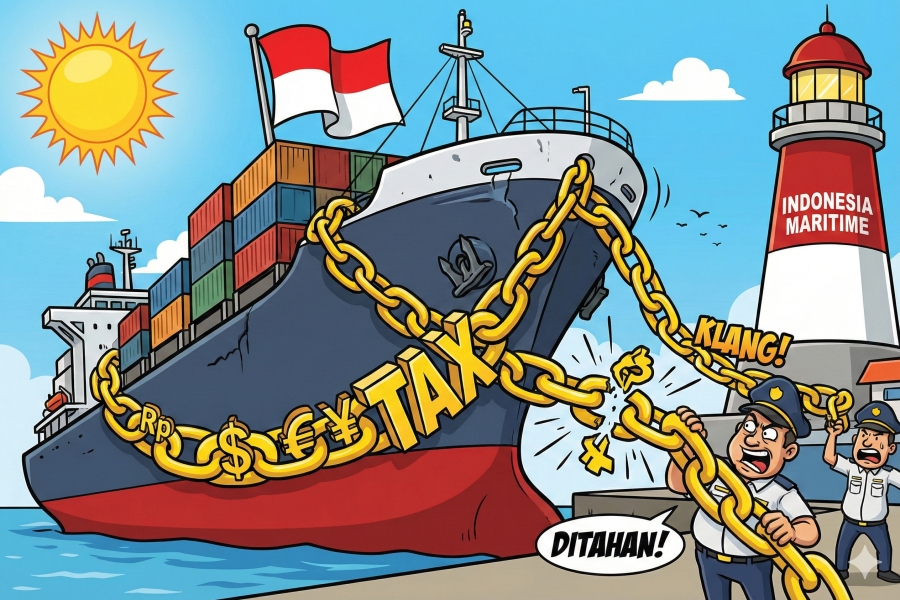
However, amidst efforts to optimize revenue and investment, regulatory challenges emerge, demanding a policy review. The Ministry of Finance (Kemenkeu) acknowledges that the collection of Income Tax (PPh) from foreign digital service providers like Netflix has not yet been effective, primarily because the government awaits the progress of a global tax agreement under the OECD framework specifically addressing the taxation rights of the digital economy. Meanwhile, in the downstream industry sector, industry associations express concerns regarding the application of layered taxes along the tin production chain. They assess that this tax structure results in the price of Indonesian tin downstream products becoming expensive and risking a loss of competitiveness in the global market.
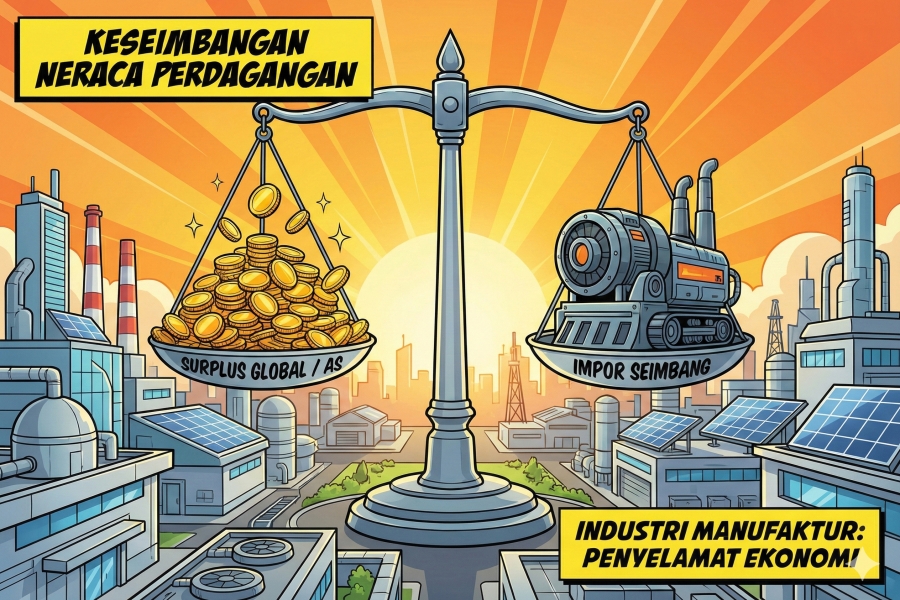
On a macro level, even as fiscal policy and investment synergy proceed, economists state that the strengthening of the Rupiah against the US Dollar (USD) is driven more by sentiment and external factors, such as easing global uncertainty and capital inflows. This assessment indicates that the effect of domestic fiscal stimulus has not been the main driver, requiring the government and Bank Indonesia (BI) to maintain policy consistency to sustain the Rupiah's strengthening trend amid global market dynamics.
The Kemenparekraf's decision to accelerate the PPh incentive for hotel and restaurant employees provides a direct liquidity boost for workers and businesses in the tourism sector, positively impacting consumption. Conversely, the failure to collect PPh from foreign digital service providers like Netflix points to a potential significant loss of state revenue; the Kemenkeu must continue to advocate for the acceleration of a global tax solution. The synergy between DJP and BKPM sends a positive signal to investors that the government is serious about creating a compliant and transparent investment climate. Meanwhile, the Rupiah's vulnerability to external factors and the issue of layered taxes in tin downstreaming necessitate a comprehensive review of domestic fiscal policy to ensure that Indonesia's export products remain competitive and independent, rather than fully relying on global market sentiment.
The government’s efforts to balance the provision of incentives, enhanced supervision, and the strengthening of economic fundamentals through investment are crucial steps. The greatest challenge lies in harmonizing domestic policy, such as tax restructuring for downstreaming, and international diplomacy for fair digital taxation. Business actors need to closely observe the acceleration of the PPh incentive and follow the developments in tax-investment synergy to ensure compliance and optimize profits amidst continuous economic and regulatory changes.


















 tpc.consulting
  tpc.consulting
  info@taxindo.co.id