



National taxation dynamics at the end of 2025 are marked by severe challenges in achieving state revenue targets amidst the shadow of a budget deficit. The government is currently navigating fiscal risks arising from sectoral tax performance and findings from state financial audit institutions to maintain the credibility of the State Budget (APBN). Optimization efforts continue through the tightening of regulations and oversight in key sectors to mitigate potential revenue leakages. This review presents the reality of current tax achievements, compliance issues in the commodity sector, and the evaluation of capital market transaction regulations.
The Ministry of Finance indicates tax revenue realization data that has only reached 74.62% of the target as of the end of November 2025. This figure reflects a significant slowdown; consequently, the government confirms that the tax revenue shortfall will widen by the end of this year. Nevertheless, fiscal authorities continue to exert maximum effort to ensure the state budget deficit does not exceed the 3% legal threshold to avoid risks of deeper national fiscal instability.
Amidst efforts to close revenue gaps, the Directorate General of Taxes is strictly monitoring the palm oil sector due to indications of underinvoicing practices, or reporting prices below their actual value. Beyond domestic tax issues, this sector has also garnered international scrutiny regarding deforestation impacts, which could potentially affect its compliance and tax contributions globally. Meanwhile, the Audit Board of Indonesia (BPK) issued a warning regarding the implementation of stock transaction tax rules, which are deemed to potentially suppress total state revenue in the capital market.
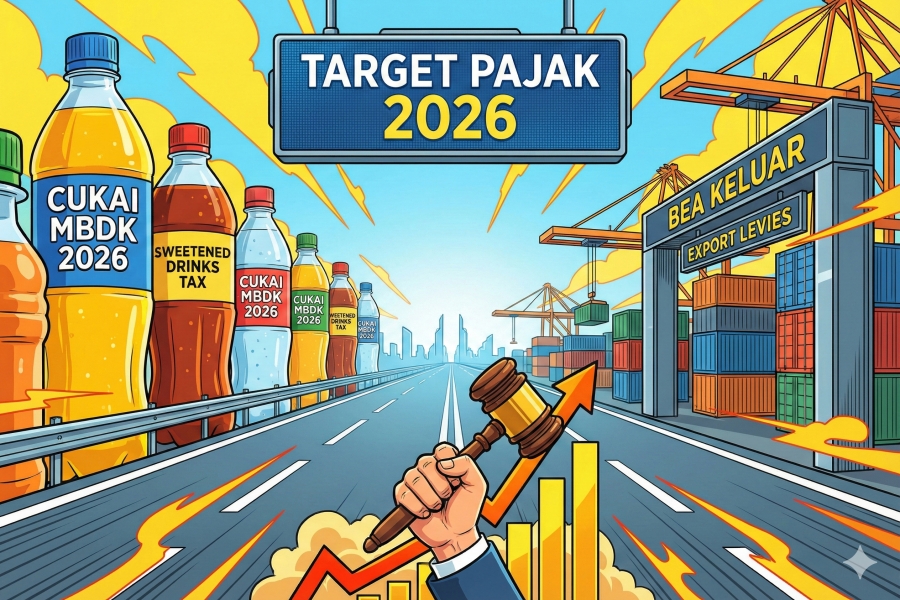
To strengthen oversight of other revenue instruments, the government ensures that Perum Peruri maintains its role in the national excise stamp procurement project. However, the relevant authorities are implementing technical adjustments and new requirements to guarantee efficiency and accuracy in monitoring excisable goods in the future. This step was taken as part of an integrated strategy to secure the state treasury from various fronts amidst the ongoing shortfall pressures.
These challenging fiscal conditions bring direct implications for spending policies and field oversight intensity. The tax realization of only 74.62% implies the need for drastic ministry spending cuts to prevent the state budget deficit from exceeding 3%. In the real sector, the oversight of palm oil underinvoicing implies an increase in the frequency of tax audits for commodity exporting companies to ensure state deposits align with actual market prices. Meanwhile, BPK's findings on stock taxes imply a potential revision of capital market transaction regulations next year, which could influence investor behavior in short-term trading.
In broad terms, Indonesian fiscal authorities are currently in a crucial period to secure the resilience of the State Budget amidst external and internal pressures. The government's actions in disciplining excise administration and monitoring strategic commodity sectors represent tangible efforts to plug revenue leakages. Although the shortfall threat appears imminent, the success in executing oversight measures during the remainder of this year will determine national economic stability before entering the next fiscal year.

















 tpc.consulting
  tpc.consulting
  info@taxindo.co.id