



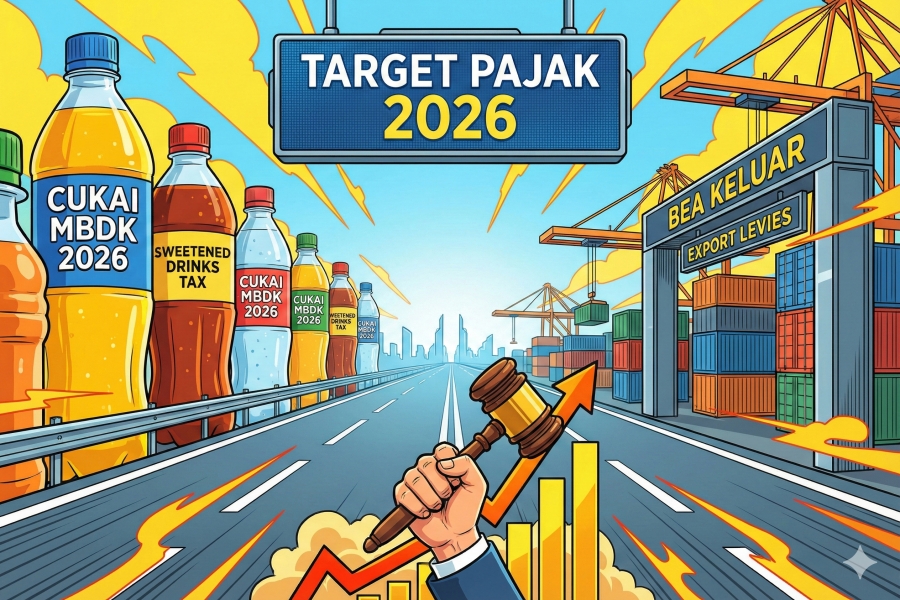
The Indonesian government faces significant challenges in managing the national treasury as 2025 draws to a close. This report presents a summary of key events affecting national economic stability, ranging from revenue deficit issues to the digital transformation of taxation. A deep understanding of this fiscal situation aims to provide the public with an overview of the government's economic policy direction in National Tax Revenue Target Shortfall
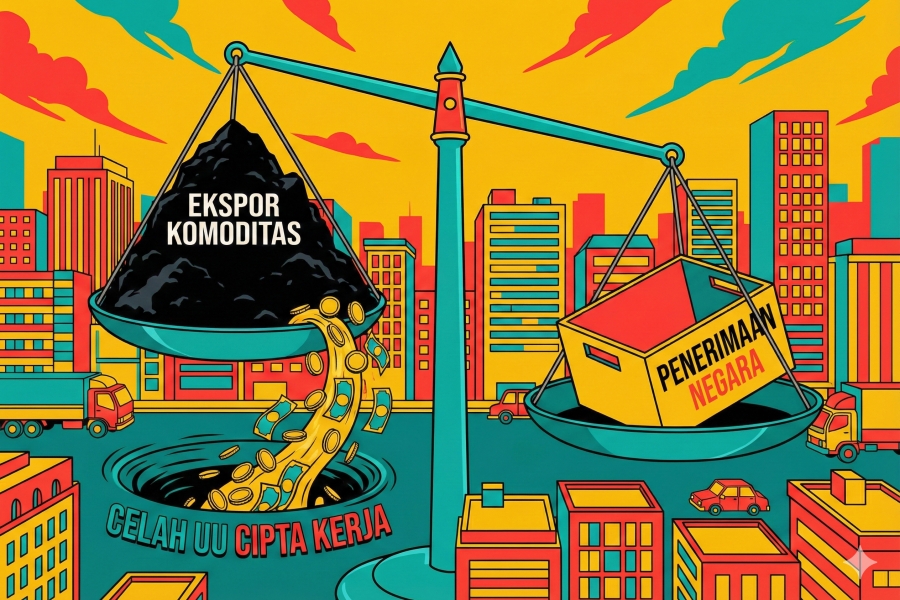
The government recorded a tax revenue realization that is still Rp442.5 trillion short of the outlook target as of the end of November 2025. This decline reflects a heavy challenge for fiscal authorities in meeting increasingly high state expenditure needs. This situation prompts the need for a thorough evaluation of tax collection strategies to avoid hindering the momentum of national economic growth.
Business actors are claiming tax overpayment refunds, or restitutions, with an accumulated value reaching Rp35.1 trillion through the November 2025 period. The high demand for these fund refunds indicates pressure on corporate cash flows across various industrial sectors. The smooth processing of these restitutions is crucial for investors to maintain working capital stability and business operational continuity.
The Directorate General of Taxation officially denied rumors regarding "ijon" practices, or collecting taxes ahead of schedule, amidst critical deposit conditions. The government emphasizes that all state revenue collection procedures remain based on applicable legal provisions. This assurance provides a positive signal to the general public and market players regarding the integrity of tax institutions in managing the fiscal system.
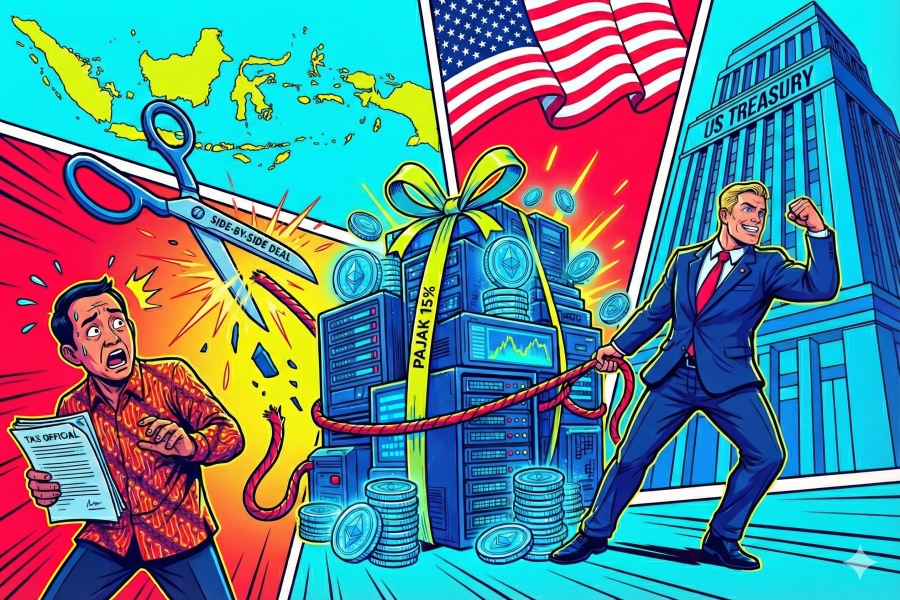
Tax authorities stated that the new tax administration system, or Coretax, has completed its trial phase and is ready for full operation in 2025. The presence of this technology aims to facilitate taxpayers in submitting annual tax returns (SPT) more efficiently and accurately. This system modernization is a strategic step by the government to mitigate tax leakages and improve taxpayer compliance through digital channels.
The Customs and Excise agency claims success in strengthening the integrity of its employees, thereby closing loopholes for gratification and bribery practices in the monitoring process. This commitment directly impacts the effectiveness of law enforcement in the field, particularly in protecting the domestic market from the influx of illegal products. For business actors, this transparency creates a healthier and fairer competitive environment.
Customs officers successfully seized at least 1 billion illegal cigarette sticks in a series of monitoring operations across various regions of Indonesia. This firm step was taken to secure potential state revenue from the excise sector, which is often eroded by the circulation of unlicensed products. This massive enforcement also serves as a warning to illegal market players regarding the government's firmness in upholding trade regulations.
All these dynamics indicate that although tax revenue challenges remain quite heavy, the government continues to make improvements through system modernization and stricter law enforcement. The synergy between transparent fiscal policy and technological adaptation is expected to maintain investor confidence and support economic stability amidst dynamic regulatory changes.
Keywords
Economy, Business, Tax, Fiscal, State Revenue, Restitution, Coretax, Annual Tax Return, Customs, Illegal Cigarettes, Regulation, Investment, Deficit, State Treasury, Tax Authority, Data Integration, Public Policy, Tax Compliance, Cash Flow, Transparency.
List of Sources















 tpc.consulting
  tpc.consulting
  info@taxindo.co.id