



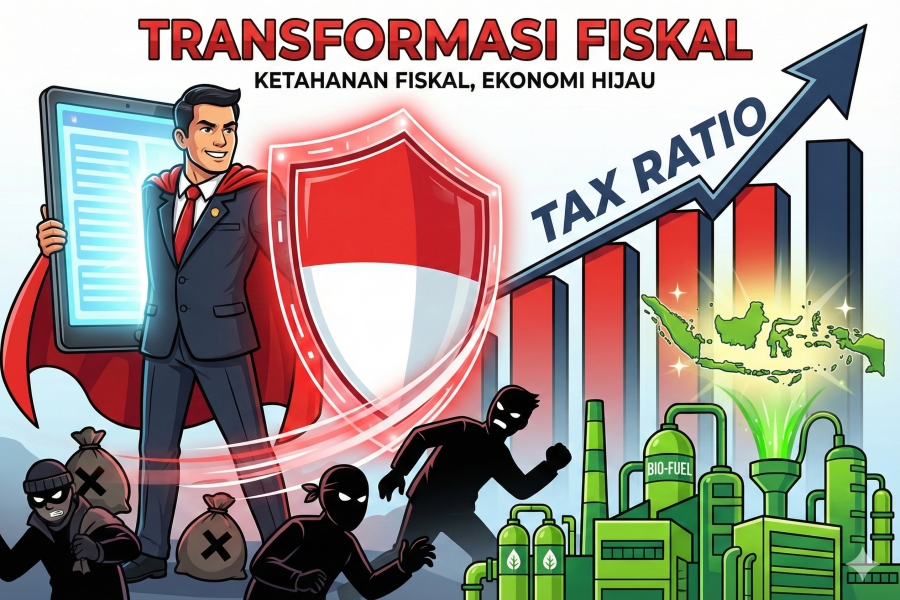
The government has detected trillions of rupiah in tax leakage due to cash transaction modes in the steel and furniture industries, which are now priority targets for the Tax Directorate's enforcement. Finance Minister Purbaya Yudhi Sadewa responded with an ambitious tax ratio target of 12 percent while slashing Pertamina's bioethanol licensing bureaucracy from three years to just one week. This aggressive move combines digital law enforcement and strategic incentives to save state foreign exchange reserves.
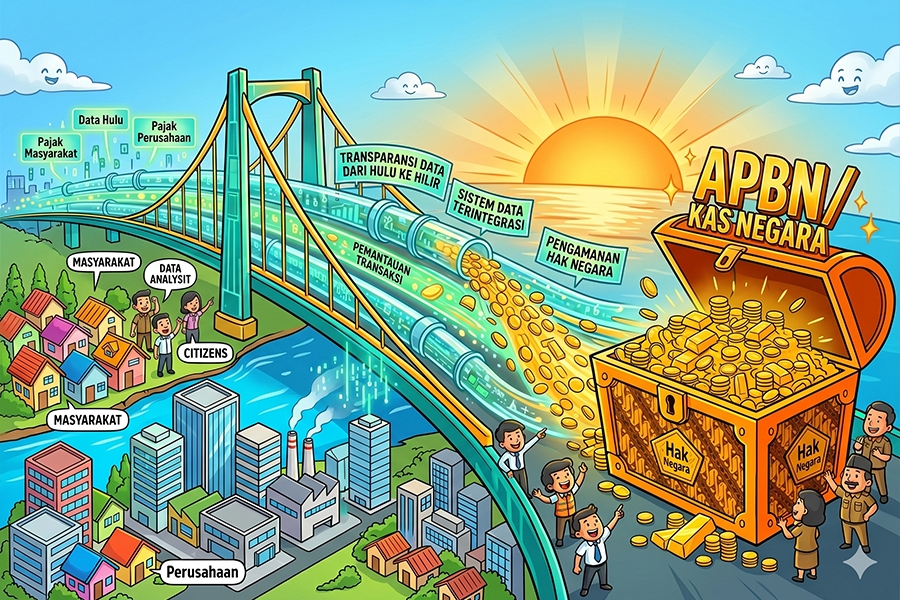
The Directorate General of Taxes (DJP) is targeting fraudulent practices by dozens of steel and furniture companies that deliberately use cash transactions (cash basis) to evade tax obligations. Director General of Taxes Bimo Wijayanto revealed that this modus operandi causes state losses of up to Rp4 trillion per year because company turnover is diverted to personal accounts or unrecorded in the corporate banking system. The government now fully supports the discourse on limiting currency transactions and encouraging the use of digital payment gateways like QRIS so that the audit trails of rogue business players can be clearly tracked.
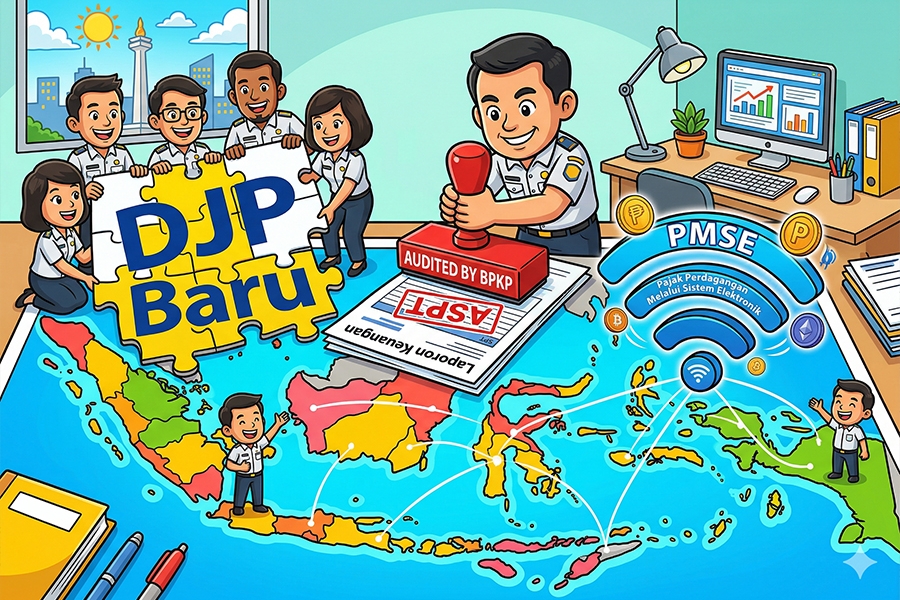
This effort to eradicate the tax mafia runs parallel with a massive reshuffle within the Ministry of Finance to achieve a tax ratio target of 11-12 percent in 2026. Finance Minister Purbaya Yudhi Sadewa just inaugurated 40 echelon II DJP officials with a strict ultimatum: superiors will also be removed from office if subordinates are proven to be corrupt or accepting bribes (joint responsibility). Purbaya felt the need to take this drastic step after the 2025 tax ratio slumped to 9.31 percent, an achievement considered disappointing amidst positive economic growth.
On the other hand, the government is showing partiality towards green investment by radically slashing the duration of E5 bioethanol licensing for PT Pertamina (Persero). Minister Purbaya ordered a rule revision so that permits that originally took three years are now completed in just one week, complete with excise exemption facilities. This strategic step is projected to save state foreign exchange of US$1.6 billion through gasoline import substitution, while empowering local sugarcane and sorghum farmers as renewable energy raw material suppliers.
This combination of "stick and carrot" policies brings serious implications for the business world, where financial transparency becomes non-negotiable to avoid criminal sanctions, while bureaucratic efficiency becomes a golden opportunity for the energy sector. Manufacturing industry players must immediately tidy up their financial administration onto digital tracks, while renewable energy sector investors can utilize this red-carpet licensing momentum for business expansion.
This structural transformation proves that the government is very serious about balancing strict oversight functions with super-fast service functions for national fiscal resilience. Business players should immediately abandon high-risk cash transaction practices and switch to utilizing pro-growth government incentives so that businesses can be sustainable.
















 tpc.consulting
  tpc.consulting
  info@taxindo.co.id