



Indonesia's economy successfully recorded 5.11 percent growth throughout 2025, driven by solid household consumption and record post-pandemic manufacturing performance. To break the 6 percent growth target in 2026, the government launched "8 Moves" for investment worth Rp2,175 trillion and a smart fiscal strategy without new taxes. Cross-ministerial collaboration is the key to keeping this positive trend ignited.
The Central Statistics Agency (BPS) brings fresh air with a report on national economic growth breaking 5.11 percent in 2025, surpassing the previous year's achievement. This figure is underpinned by the phenomenal revival of the manufacturing sector which grew 5.15 percent—the highest since the Covid-19 pandemic—and household consumption which contributed more than half of the Gross Domestic Product (GDP). The impressive performance in Q4 2025, reaching 5.39 percent, is a strong signal that Indonesia's economic engine is in prime condition. This solid macroeconomic momentum serves as a runway for the government to set much more ambitious targets in 2026.
Minister of Investment and Downstreaming, Rosan Roeslani, immediately stepped on the gas by preparing "8 Priority Moves" to chase the jumbo investment target of Rp2,175.2 trillion. The first and most crucial move is the total repair of the Online Single Submission (OSS) licensing system, which is acknowledged to be still slow, to become a fast and certain spearhead. The second to fourth moves focus on upstream-downstream strategies, namely the preparation of the Strategic Investment Downstreaming (HIS) action plan, implementation of the HIS roadmap, and preparation of Investment Projects Ready to Offer (IPRO) to promote regional flagship potentials. This step is followed by the fifth move, which is more targeted region-based investment marketing.
Not stopping there, Rosan also prepared the sixth move in the form of facilitating the resolution of investment realization obstacles, also known as debottlenecking, and risk-based supervision. The seventh and eighth moves include expanding international cooperation with strategic partners and improving the investment climate so that Indonesia becomes more competitive in the eyes of the world. Rosan believes that the combination of these eight tactical steps will be the main driving force to bring national economic growth rocketing above 6 percent. This grand ambition to attract thousands of trillions in capital must certainly be supported by clever and careful state cash management.
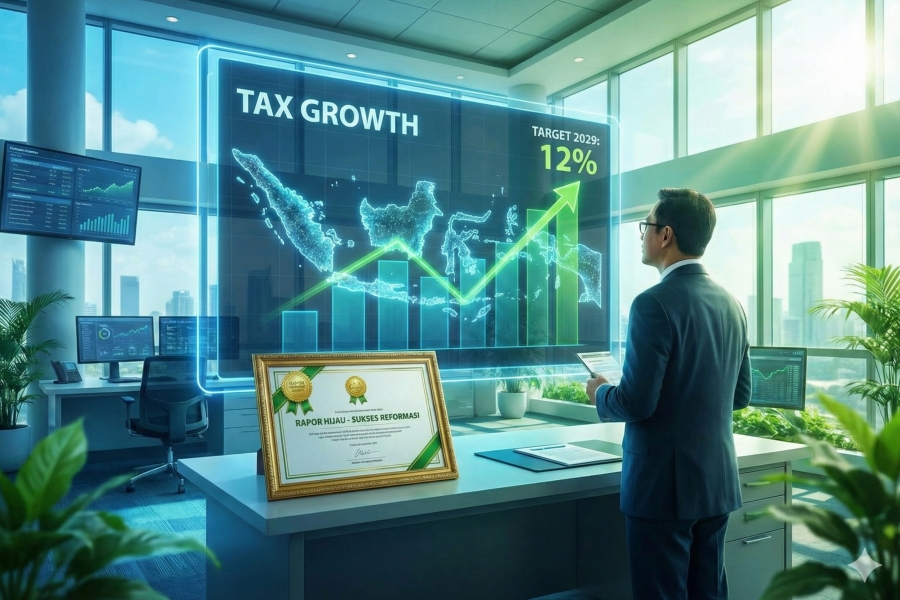
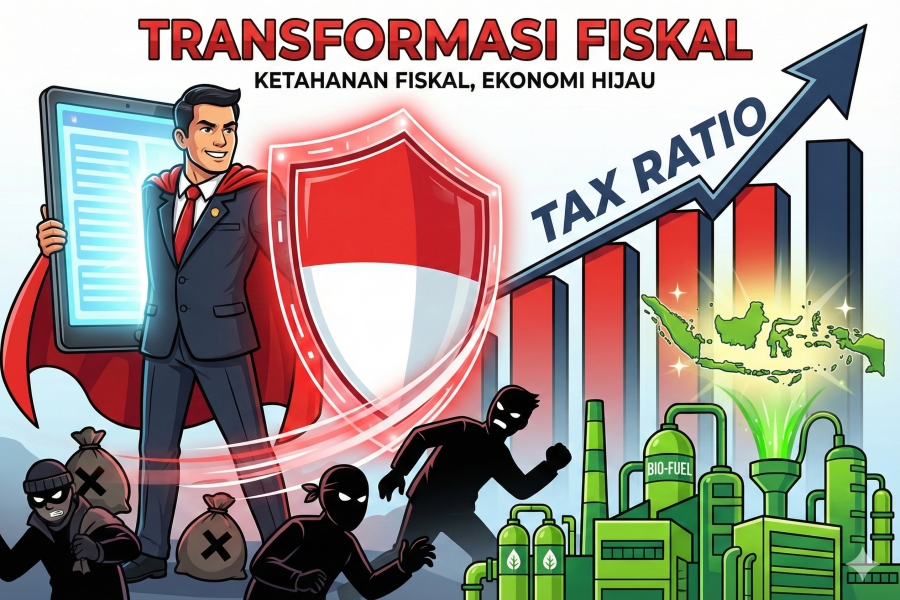
Minister of Finance Purbaya Yudhi Sadewa welcomed the challenge with a fiscal strategy that does not burden the people, evidenced by the realization of state revenue in January 2026 which broke Rp172.7 trillion. Tax revenue even jumped 30.8 percent thanks to the use of advanced technology to close leakage gaps and a decrease in restitution, without the need to raise rates or create new taxes. Purbaya is optimistic that the economy can grow 6 percent because the government is now activating two growth engines at once—private sector and government spending—unlike the previous decade which was considered lame. This confidence is in line with BI Governor Perry Warjiyo's projection, which sees the economy racing up to 5.7 percent this year.
Business players now have a clear roadmap: improvements to the OSS system promise bureaucratic ease, while "friendly" fiscal policies provide breathing room for expansion. The government's focus on downstreaming and ready-to-offer projects (IPRO) opens golden opportunities for local and foreign investors to enter high value-added sectors. With domestic consumption kept strong, the Indonesian market remains a very attractive magnet for the business world.
Indonesia now stands on the threshold of a major economic leap, supported by strong synergy between fiscal, monetary, and investment authorities. The success of Rosan's "8 Moves" and Purbaya's "two engines" strategy will depend heavily on fast execution and real collaboration on the ground. It is time for the business world to prepare and take strategic positions to ride this rising wave of economic growth.












 tpc.consulting
  tpc.consulting
  info@taxindo.co.id