



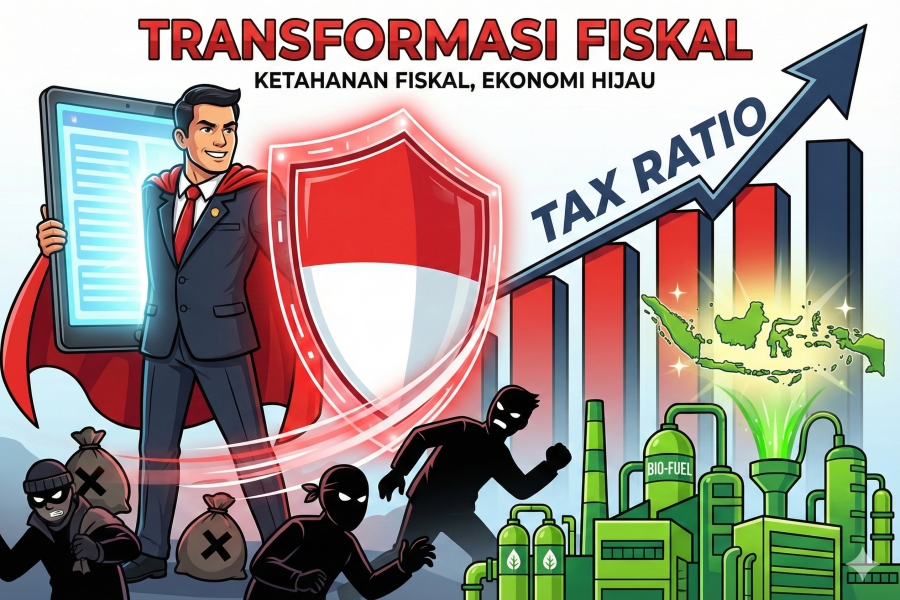
Taxpayer enthusiasm has skyrocketed with millions of Coretax system activations and hundreds of thousands of tax returns filed in early 2026. Finance Minister Purbaya Yudhi Sadewa is responding to state revenue challenges by inspecting tax-evading foreign companies and purging corrupt elements within the Tax Directorate. Meanwhile, the government is rushing new excise regulations through parliament to bring the illegal cigarette industry into the official system.
The Directorate General of Taxes (DJP) recorded a significant surge in public participation regarding Annual Tax Return (SPT) reporting obligations in early 2026. As of mid-January, 282,047 taxpayers have completed their reports, dominated by employees and individual taxpayers utilizing the latest technological conveniences. Tax authorities reported that the core tax administration system, or Coretax, has been activated by 12.15 million users, signaling society's readiness to welcome an era of more transparent and efficient fiscal services.
The success of this technology adoption is driven by massive socialization involving employers and government agencies to ensure all State Civil Apparatus (ASN) activate their accounts before the deadline. This high activation rate serves as strong capital for the government to secure annual tax revenue targets through a more accurate and integrated database. While the administrative system continues to be strengthened, Finance Minister Purbaya Yudhi Sadewa is now shifting his sharp focus to crackdown on state revenue leakages involving foreign business entities.
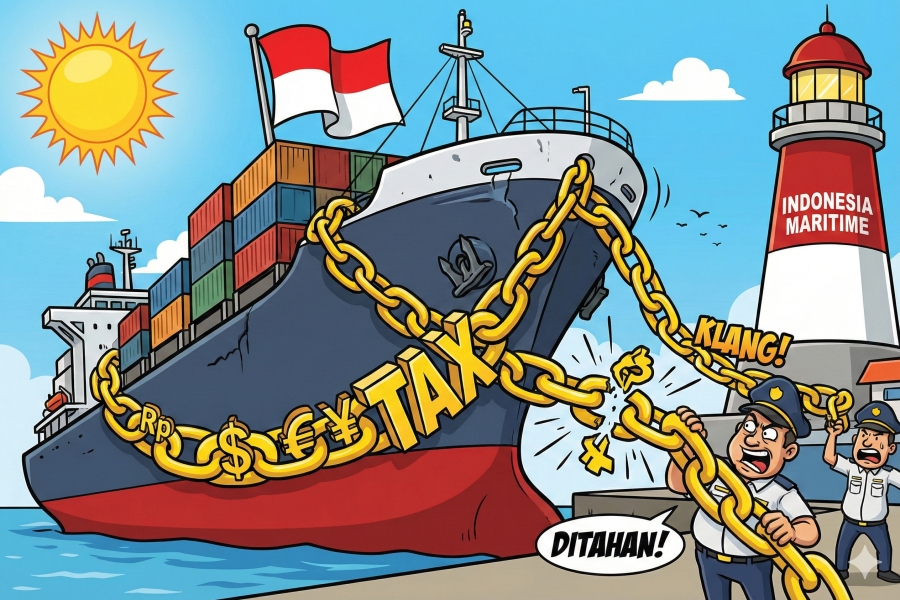
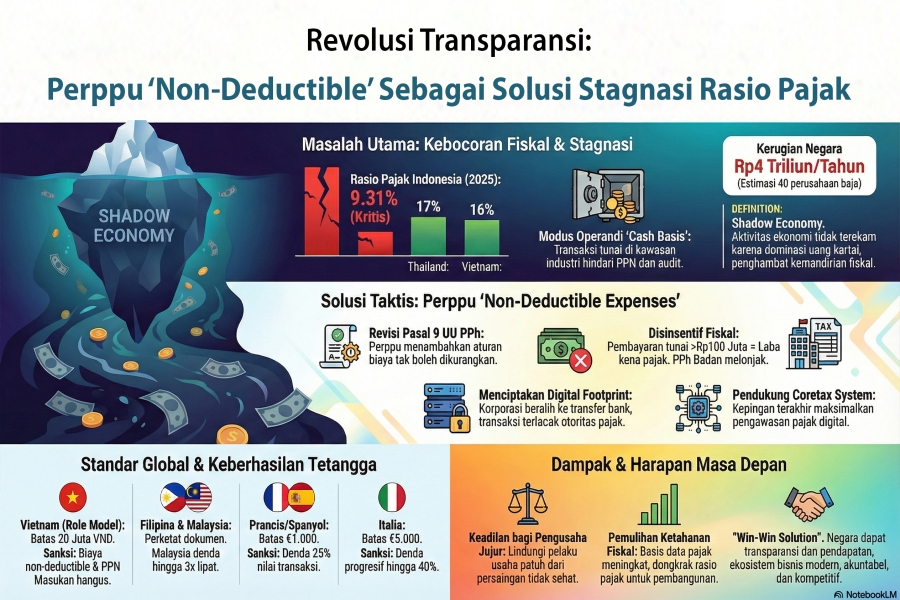
Finance Minister Purbaya Yudhi Sadewa is prepared to conduct spot inspections on two Chinese companies strongly indicated to be practicing tax evasion in Indonesia. This firm step was taken after President Prabowo Subianto issued a stern warning regarding alleged data manipulation or under-invoicing in palm oil and coal commodities which caused trillions of rupiah in state losses. Purbaya has secured intelligence data regarding the modus operandi of companies selling steel and building materials on a cash basis without paying Value Added Tax (VAT).
The government is committed to pursuing ten major palm oil companies suspected of disguising export values by up to 50 percent of the actual value to avoid fiscal obligations. Threats of downsizing Customs and Excise staff are also prepared for ranks failing to close these leakage gaps within the next year. This aggressive external enforcement runs parallel with an equally fierce internal cleanup within the tax authority itself.
Minister Purbaya ensures severe sanctions up to dismissal for tax officials proven involved in bribery cases, following a recent sting operation (OTT) by the Corruption Eradication Commission (KPK). Job rotations will immediately be implemented within the Tax Service Office (KPP) environment as a comprehensive evaluation step, but officials strongly indicated of corruption will not merely be shifted but legally processed. The KPK is currently investigating alleged flows of bribery funds for Land and Building Tax (PBB) reductions reaching officials at the DJP head office.
The Finance Ministry's cooperative stance with law enforcement agencies demonstrates the government's seriousness in maintaining the integrity of state revenue collection institutions from the parasite of corruption. Beyond strict law enforcement, the government is also designing more flexible policy strategies to expand the tax base in sensitive commodity sectors.
The government's plan to legalize the illegal cigarette industry through the addition of a new excise tariff layer is now entering the political consultation stage with the House of Representatives (DPR). Minister Purbaya emphasized that this policy aims to attract local illegal cigarette producers into the state administration system so they can be officially taxed. Although the relevant commission chair in parliament has stated readiness to discuss this rule anytime, policy execution is confirmed not to happen this week due to the need for internal concept maturation.
This "carrot and stick" strategy offers an opportunity for illegal business players to operate legally, but the government threatens to forcibly close factories that remain stubborn in the black market after the rule applies. This policy is expected to close excise revenue leakages while restructuring the national tobacco industry ecosystem to be fairer.
This series of aggressive policies brings serious implications for the business world, demanding much higher standards of administrative compliance and financial integrity than before. Investors and business players must immediately conduct independent audits to ensure no tax violation loopholes, considering oversight is now conducted in layers through both the digital Coretax system and physical enforcement in the field.
This massive transformation confirms that an era of transparency and tax compliance is an undeniable necessity for Indonesia's fiscal health. Companies and taxpayers are advised to immediately utilize this momentum of system improvement by becoming compliant citizens before strict sanctions are imposed by the increasingly responsive authorities.














 tpc.consulting
  tpc.consulting
  info@taxindo.co.id