


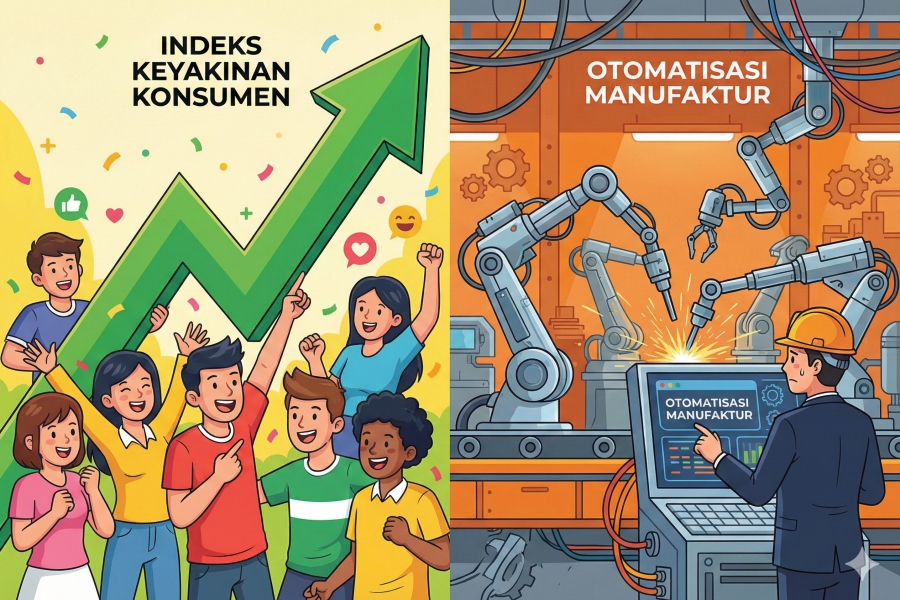
Danantara officially takes over financing control of the Krakatau Steel factory project, shifting the role of Chinese investors to merely technology partners. Consumer optimism surges to its highest point in the last year, yet a paradox occurs in the real sector where employers are holding back on recruiting new employees. Meanwhile, the Prabowo administration prepares to totally overhaul the fiscal incentive scheme to attract quality investment.
The Danantara Indonesia Investment Management Agency has taken a strategic step by taking over funding support for the downstreaming project of PT Krakatau Steel (Persero) Tbk (KRAS). This decision automatically shifts the position of investors from China, who were previously touted as the main funders, to now potentially only being technology provider partners without majority control. KRAS Commercial Director, Hernowo, emphasized that Danantara's entry ensures that control of this strategic project with a capacity of 3 million tons per year remains entirely in Indonesian hands. The groundbreaking of the factory, targeted to reduce steel imports, is scheduled for March 2026 as a main priority for national mining downstreaming.
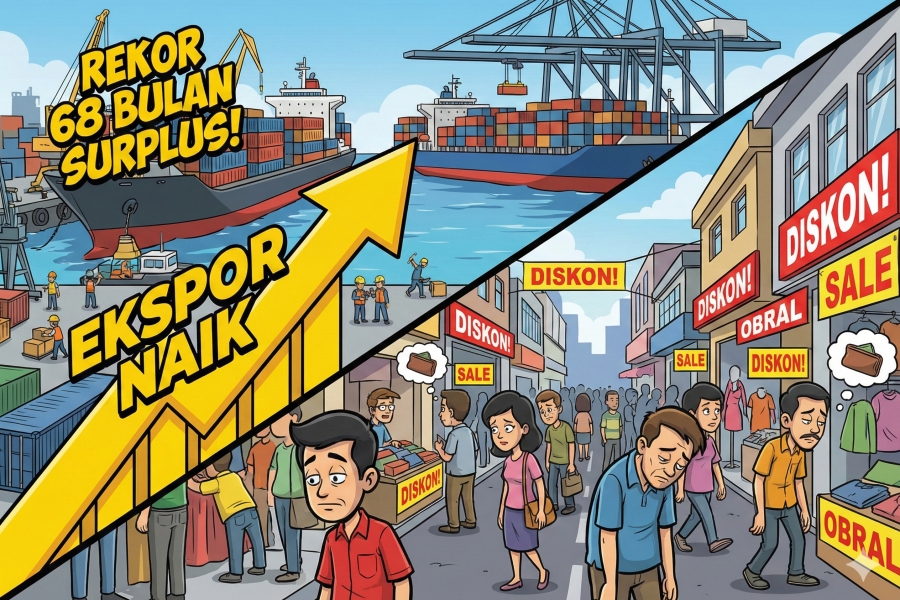
This spirit of industrial independence aligns with the recovery of public confidence in the national economic condition at the beginning of the year. Bank Indonesia (BI) reported that the Consumer Confidence Index (IKK) in January 2026 jumped to the level of 127, the highest figure in the last year. This rise in optimism is evenly distributed across almost all spending groups, primarily driven by the younger generation aged 20-30 years who are increasingly confident in income prospects and job availability. However, the public's high hopes for jobs
Employers in the machinery and metal industries are now tending to hold back on opening permanent job vacancies even though domestic project orders are abundant. Chairman of the Association of Indonesian Metalworks and Machinery Industries (Gamma), Dadang Asikin, revealed that thin profit margins force companies to apply a "wait and see" strategy by preferring contract or wholesale labor. Furthermore, the shift towards more efficient machine automation means that surges in production output are no longer directly proportional to massive human labor absorption.
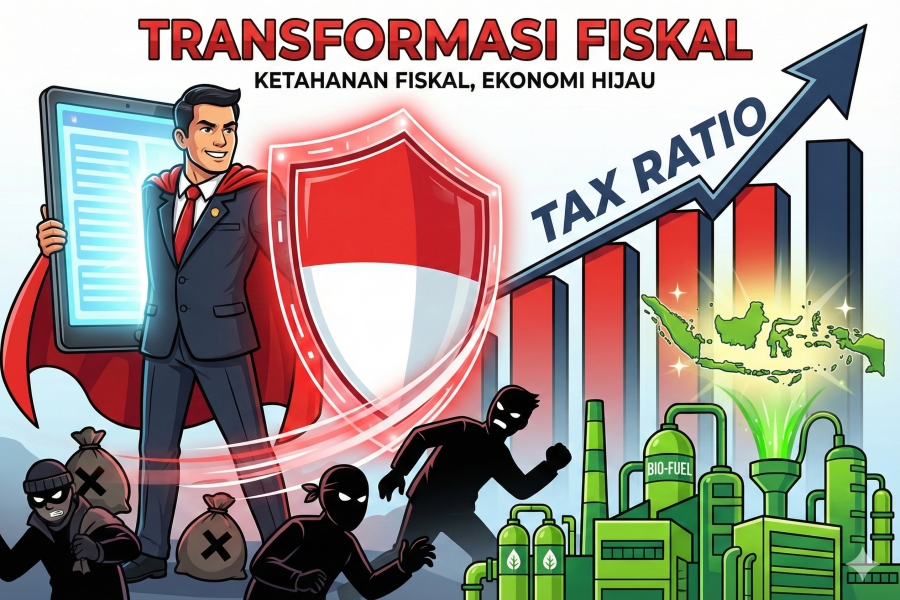
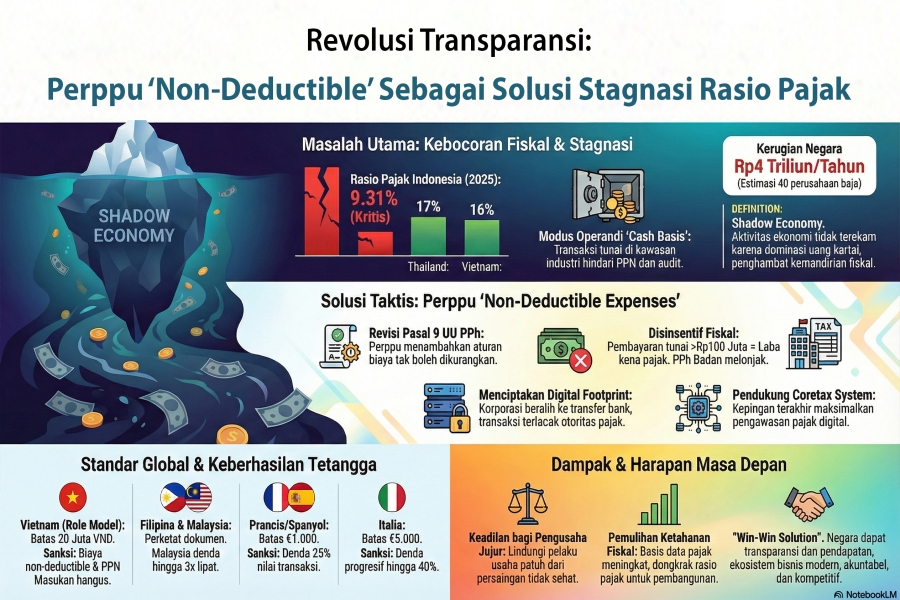
Responding to the challenges of labor absorption and investment needs, President Prabowo Subianto plans to totally overhaul fiscal incentive schemes such as tax holidays and tax allowances. The government will reorganize the criteria for incentive recipients to be more targeted, prioritizing export-oriented labor-intensive sectors and high-technology industries. The Indonesian Chamber of Commerce and Industry (Kadin) welcomes this plan but warns the government to resolve bureaucratic issues that have historically made tax incentives difficult to access and full of uncertainty.
The dynamics of early 2026 present a contradictory situation: consumer sentiment and government ambition are very high, yet the private sector remains cautious in workforce expansion. Investors need to observe the effectiveness of Danantara's implementation and new fiscal incentives, whether they can bridge the gap between macro growth and real labor absorption. For job seekers, improving technical skills is mandatory as industries increasingly prefer using automated machines over adding employees.
The government must ensure that the "red carpet" rolled out through Danantara and tax incentives does not merely beautify investment figures on paper, but truly creates the jobs expected by an optimistic public.














 tpc.consulting
  tpc.consulting
  info@taxindo.co.id