



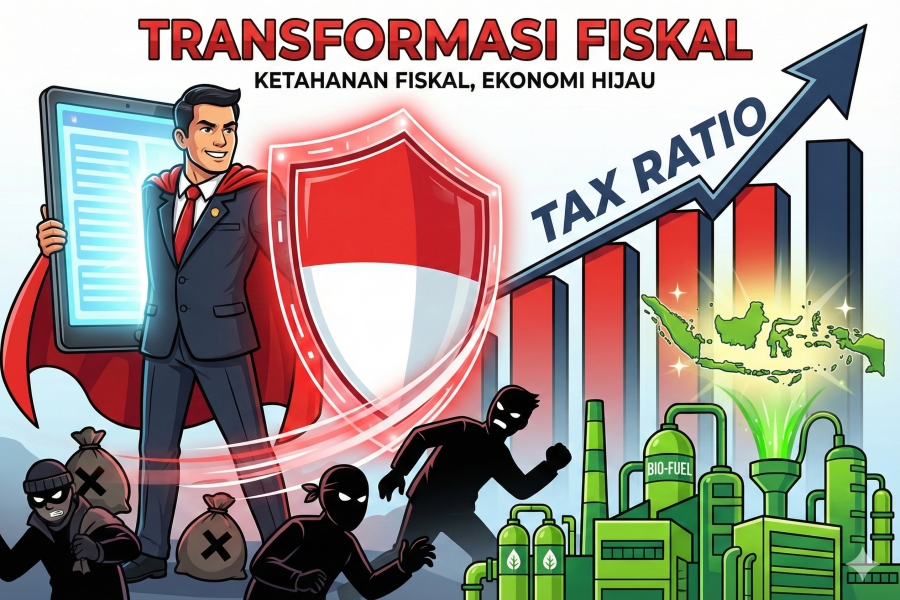
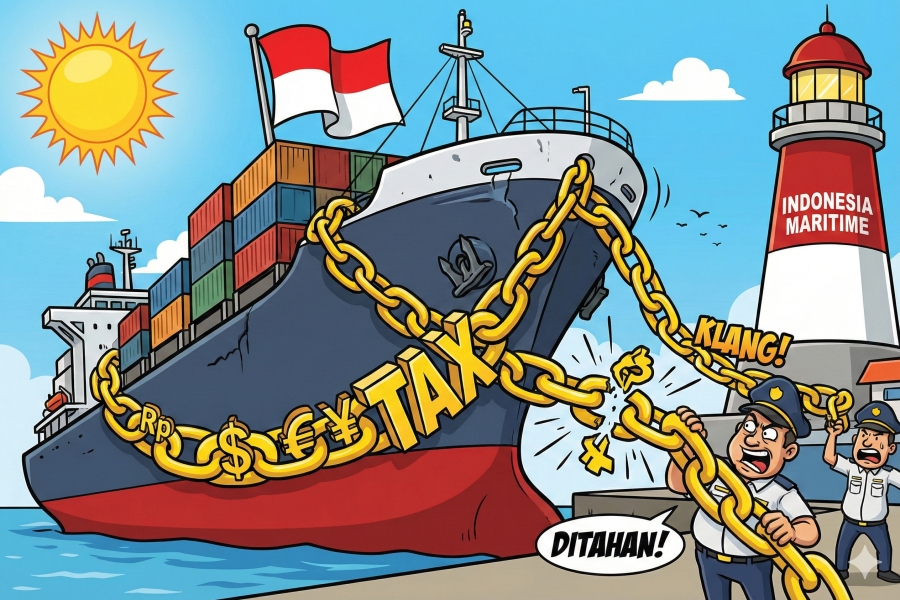
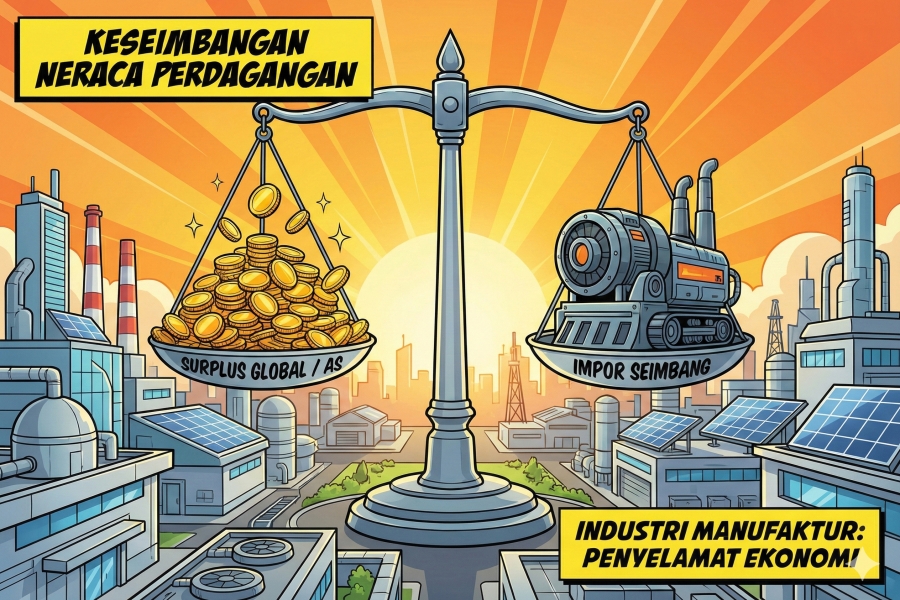
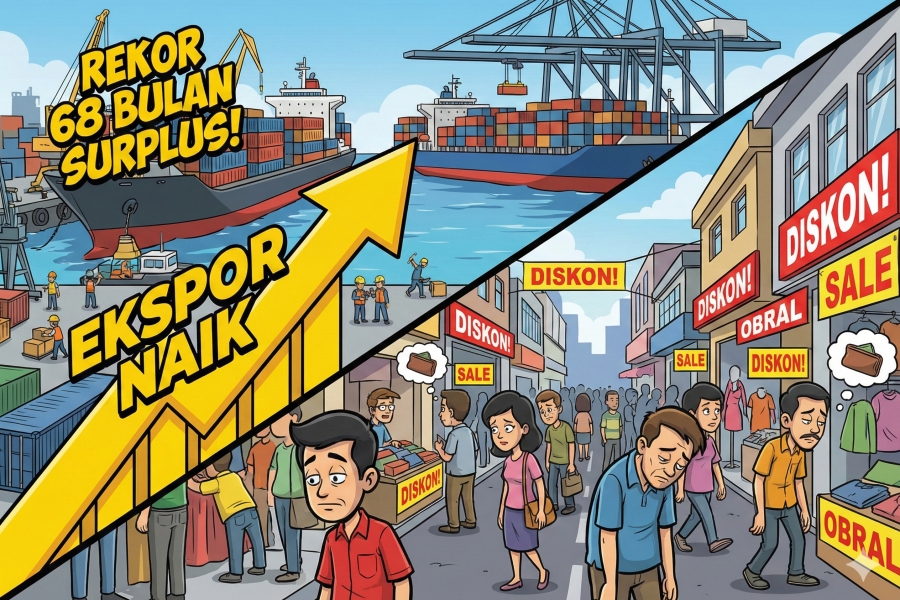
The monumental trade agreement between the Republic of Indonesia and the United States waives import duties for 1,819 national export product lines. Although the detailed complete list is extremely massive and has not been published in its entirety, key commodities like palm oil, exotic spices, to advanced semiconductors are confirmed to be the main stars. This strategic decision guarantees a surge in state foreign exchange through unprecedented global market access ease.
Coordinating Minister for Economic Affairs Airlangga Hartarto announced the import duty exemption for thousands of archipelago flagship product tariff lines. The detailed list covering all those 1,819 products has not been published one by one, but the government confirmed plantation commodities dominate this special facility. Local farmers can now export crude palm oil (CPO), quality coffee, cocoa, natural rubber, to exotic spices to the United States without additional cost deductions. The certainty of this barrier-free market access escorts agricultural commodities toward a more prestigious international industry supply chain.
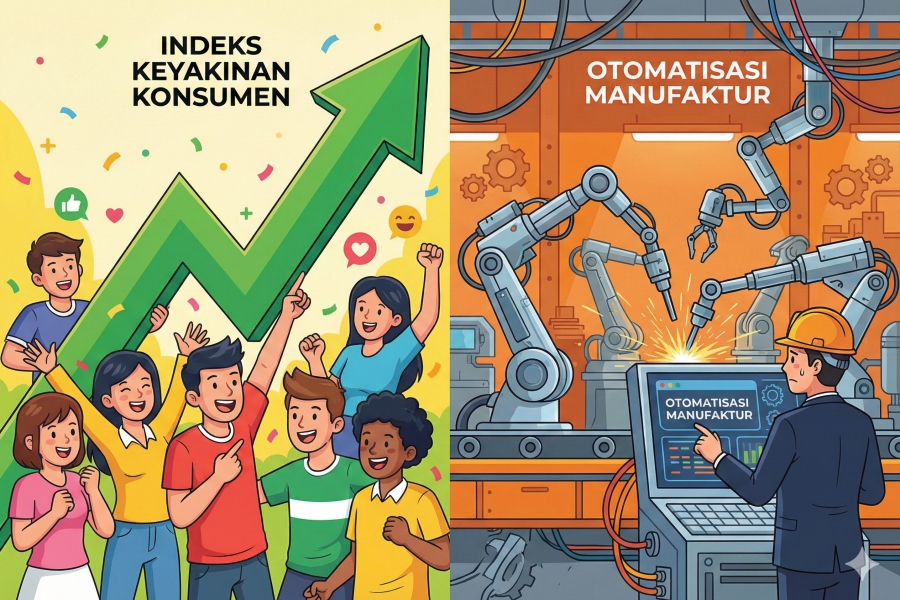
This trade tariff exemption also encompasses the high-technology manufacturing sector comprehensively. National exporters obtain the green light to supply advanced electronic components, semiconductor chips, and even aircraft spare parts directly to the United States market. This double-tax-free distribution ease skyrockets the appeal of local assembly factories in the eyes of global investors. This modern manufacturing sector expansion runs parallel with the revival of the national labor-intensive industry.
The government secures the zero-percent tariff privilege for textile and apparel products through a specific tariff rate quota mechanism. Domestic garment producers must fulfill the raw material usage ratio from the United States, such as cotton or man-made fibers, to unlock this unhindered export tap. This reciprocal quota strategy protects millions of local tailors while building a highly solid textile business ecosystem integration between nations.
Business players from various sectors enjoy profit margins that skyrocket sharply thanks to this export cost efficiency. Regional farmers obtain harvest absorption guarantees with competitive prices, while manufacturing factory workers feel much more guaranteed livelihood source stability.
The government together with industry players must immediately accelerate the improvement of local production quality standards to answer the explosion of United States market demand. The synergy of all national elements is the absolute key to transforming this golden tariff facility into the driving motor of the archipelago's economic revival on the world stage.














 tpc.consulting
  tpc.consulting
  info@taxindo.co.id