



The Indonesian government is tightening tax oversight by implementing a policy to seize stock assets belonging to tax debtors. This firm action is accompanied by investigations into dozens of steel companies suspected of tax evasion amid challenging revenue targets for 2026. Fiscal authorities remain optimistic that these transformations will safeguard national income stability in a sustainable manner.
The Directorate General of Taxes (DJP) now officially holds the authority to seize and sell stocks of non-compliant taxpayers. Under Director General of Taxes Regulation Number PER-26/PJ/2025, the state can take over securities traded on the capital market to settle outstanding tax debts and collection costs. This process begins with blocking securities sub-accounts and investor fund accounts through close coordination with the Financial Services Authority (OJK) and relevant custodial institutions.
If the debt is not settled within 14 days after seizure, the DJP will sell the stocks through a brokerage firm on the exchange. The stock selling price is set at a minimum equal to the market opening price on the day of sale to ensure a fair value. This systematic law enforcement serves as a strong signal for all capital market players to always maintain the integrity of their tax obligations. In addition to tightening rules in the capital market, the government is also targeting fraudulent practices in the manufacturing sector that harm the state treasury.
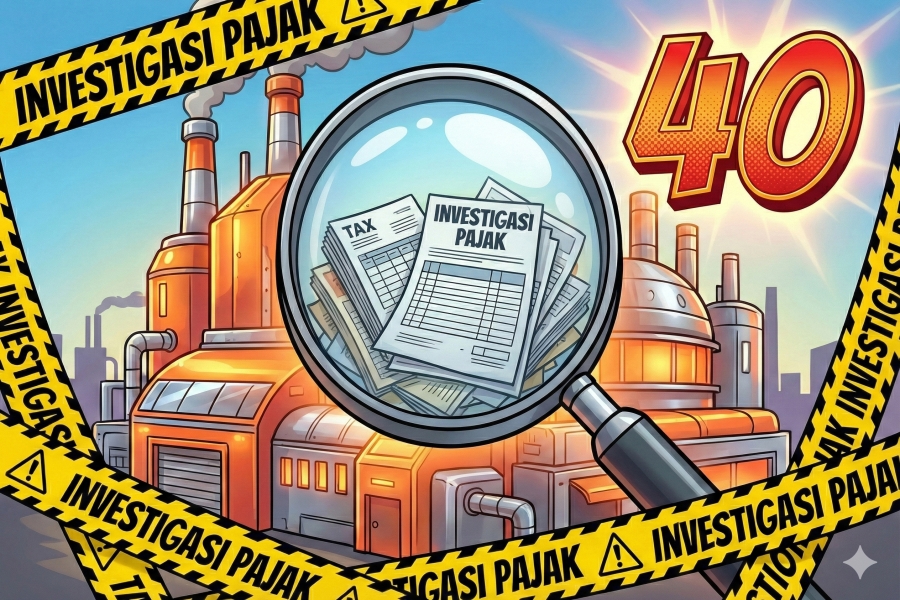
The metal industry sector is now under intense scrutiny after Finance Minister Purbaya Yudhi Sadewa detected indications of Value Added Tax (VAT) evasion. Approximately 40 steel companies, consisting of local firms and companies from China, are suspected of involvement in these illegal practices. Tax audit teams will immediately conduct spot inspections on two giant firms to investigate potential internal involvement in this scandal.
This industrial cleanup is crucial as the government strives to optimize all revenue sources amidst global commodity price pressures. Tax revenue from the mining sector dropped significantly by 10.6 percent throughout 2025 due to the moderation of coal and crude oil prices. This condition puts great pressure on achieving the 2026 tax revenue target, which is set to grow by 13.5 percent.
The government projects that the financial sector and digital economy will serve as new growth engines to support next year's ambitious targets. Challenges in the mining sector are also predicted to continue due to planned production quota cuts for nickel and coal in the annual work plans. Nevertheless, stimulus from government strategic programs and incentives in the property sector are expected to expand the national tax base.
This aggressive policy requires business players to improve tax administration compliance transparently and accountably for smooth operations. Investors also need to be more diligent in assessing issuer risk profiles to avoid the negative impacts of asset seizure actions by tax authorities that could affect stock liquidity.
The integrity of the tax system is the main foundation for maintaining national economic resilience amidst dynamic global market fluctuations. Therefore, companies should immediately conduct independent internal audits and ensure all tax obligations are met so that business sustainability remains securely maintained.


















 tpc.consulting
  tpc.consulting
  info@taxindo.co.id