


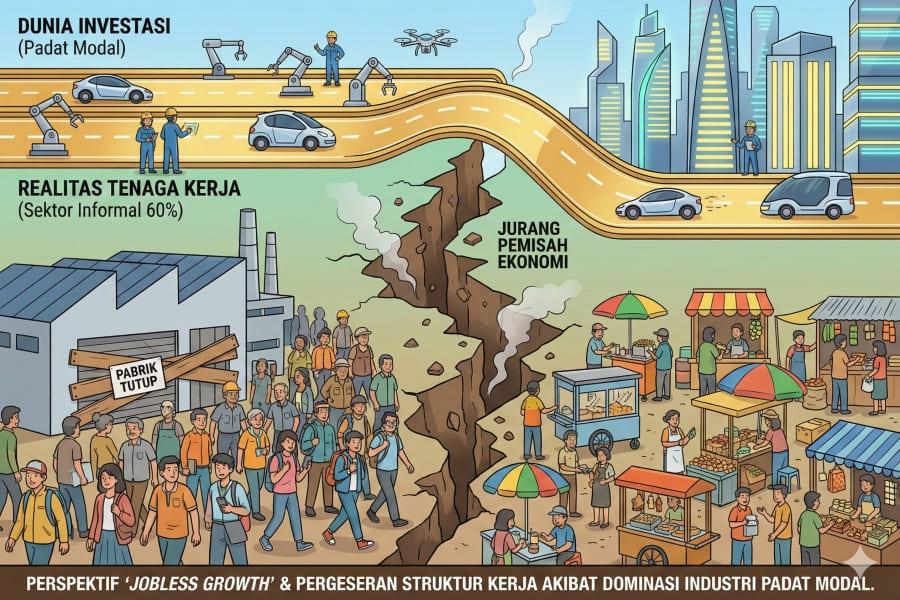
Indonesia is facing a serious economic anomaly where a record investment of IDR 1,931.2 trillion coincides with a surge in layoffs reaching the highest level since 2021. This phenomenon triggers a massive shift in the workforce structure to the informal sector due to the high cost of creating new jobs in the capital-intensive sector. The government is now racing against time to save purchasing power through a downstreaming strategy that absorbs more human labor.
The Indonesian labor market is in dire straits after Ministry of Manpower data recorded a surge in layoffs (PHK) breaking the figure of 88,519 people throughout 2025. This unsettling number jumped 13.54% compared to the previous year, with West Java Province being the region most severely affected by this storm of employee cuts. This negative trend is exacerbated by a World Economic Forum (WEF) report placing unemployment as the number one economic risk for Indonesia for the 2026 to 2028 period, beating threats of inflation or geopolitics.
This condition creates deep structural problems as new graduates (Gen Z) and layoff victims find it increasingly difficult to penetrate the narrowing formal job market. Executive Director of Core Indonesia, Mohammad Faisal, highlighted that the proportion of informal workers has now swelled to 60%, signaling that the formal sector has failed to accommodate the productive workforce. This situation is not just a regular economic cycle, but the impact of fundamental issues that had taken root even before the pandemic struck.
Although formal employment is shrinking drastically, macroeconomic data actually displays investment realization figures that are fantastic yet confusing.
The Ministry of Investment recorded a brilliant achievement with realized capital inflow of IDR 1,931.2 trillion in 2025, but the quality of this investment is questionable as its labor absorption ratio actually declined. Investment Minister Rosan Roeslani admitted that the cost to create one job is now becoming more expensive, soaring to IDR 712.48 million per person compared to the previous year which only required IDR 698.1 million. This happens because capital flows predominantly stream into the mineral downstreaming sector (capital intensive) which utilizes advanced machinery more than human labor.
The dominance of capital-intensive investments such as nickel smelters has proven ineffective in tackling mass unemployment, with some smelters even starting to cease operations due to global oversupply. The government realizes this disparity and has begun designing new strategies by encouraging downstreaming in the plantation and marine sectors, such as coconuts and seaweed, which are considered far more effective in absorbing local labor. This corrective step is urgently needed considering the gap between investment value and the number of absorbed workers is widening.
This inequality in investment focus has fatal consequences for the traditional manufacturing sector which has historically been the backbone of labor absorption.
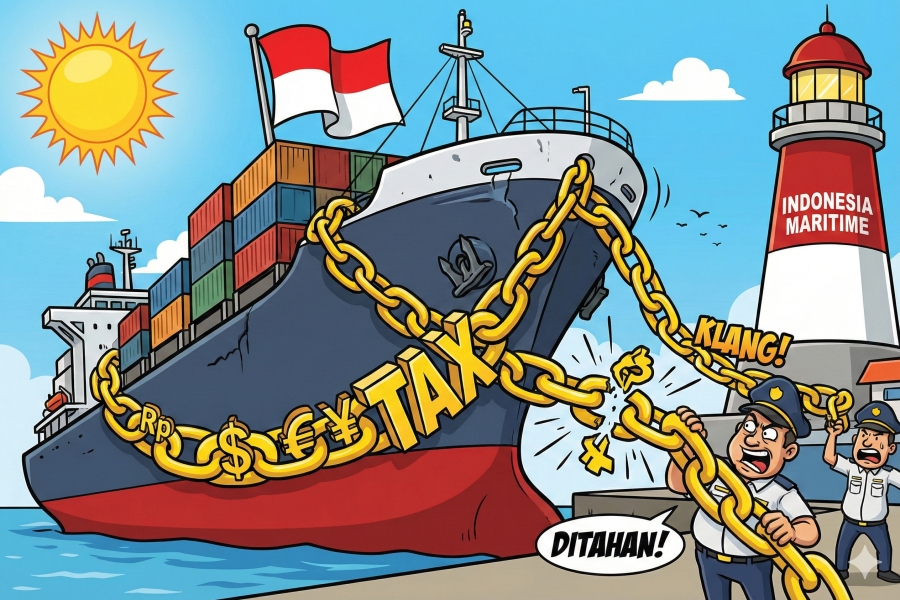
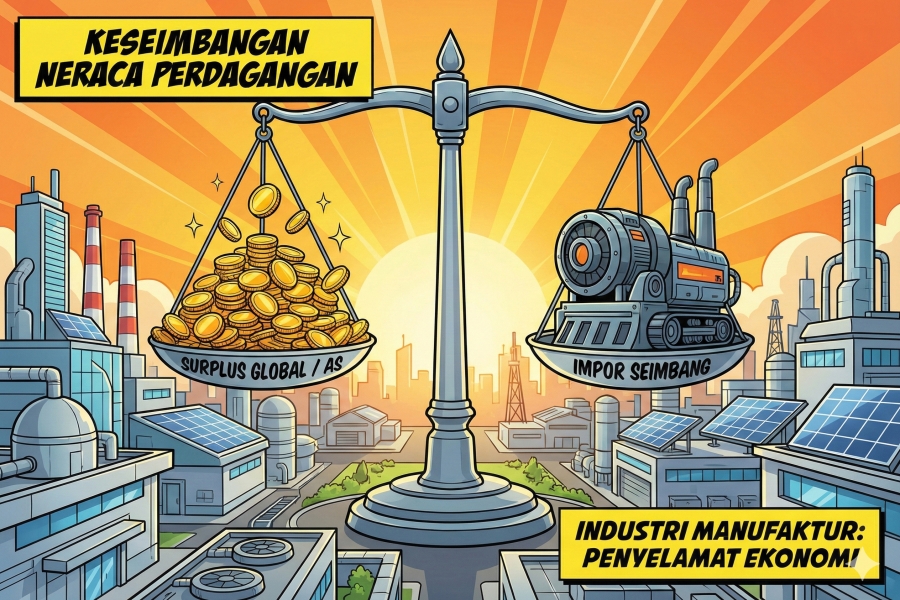
The textile, textile product, and footwear industries are now in critical condition due to the onslaught of imported products and the lack of adequate policy protection. Celios Director, Bhima Yudhistira, predicts that the wave of layoffs in 2026 will still haunt these sectors, coupled with the furniture and wood processing industries losing competitiveness. Indonesia's Manufacturing Purchasing Managers’ Index (PMI), which continues to lag behind neighboring countries like Vietnam and Thailand, serves as a real danger signal for the sustainability of domestic industries.
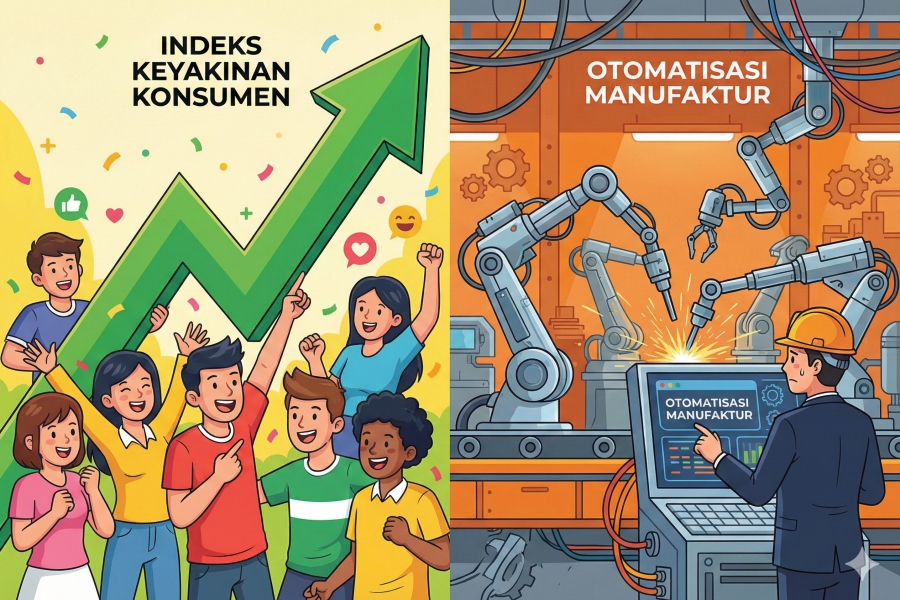
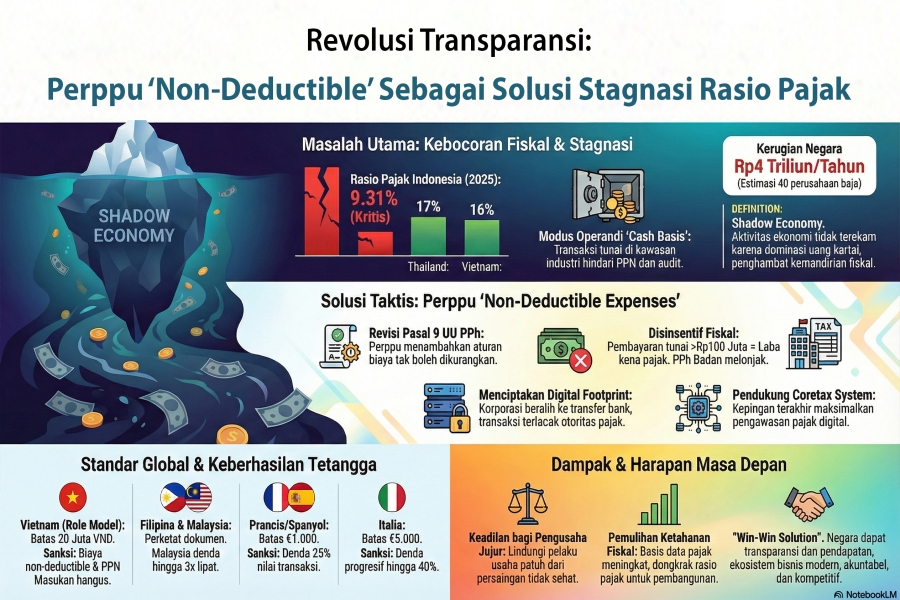
This phenomenon of "Jobless Growth" potentially erodes public purchasing power significantly, especially among the middle class and the younger generation. For business players, sluggish labor absorption means a decline in domestic market demand, while for investors, social risks due to high unemployment can disrupt long-term business climate stability. The shift of the workforce to the informal sector will also make it difficult for the government to boost stable income tax revenue.
The government must no longer be complacent with merely chasing jumbo nominal investment figures if they do not have a direct impact on reducing the increasingly worrying unemployment rate. The downstreaming strategy must be immediately revised by prioritizing fiscal incentives for labor-intensive sectors (agriculture, fisheries, and light manufacturing) and tightening the import tap for finished goods to protect domestic industries.














 tpc.consulting
  tpc.consulting
  info@taxindo.co.id