



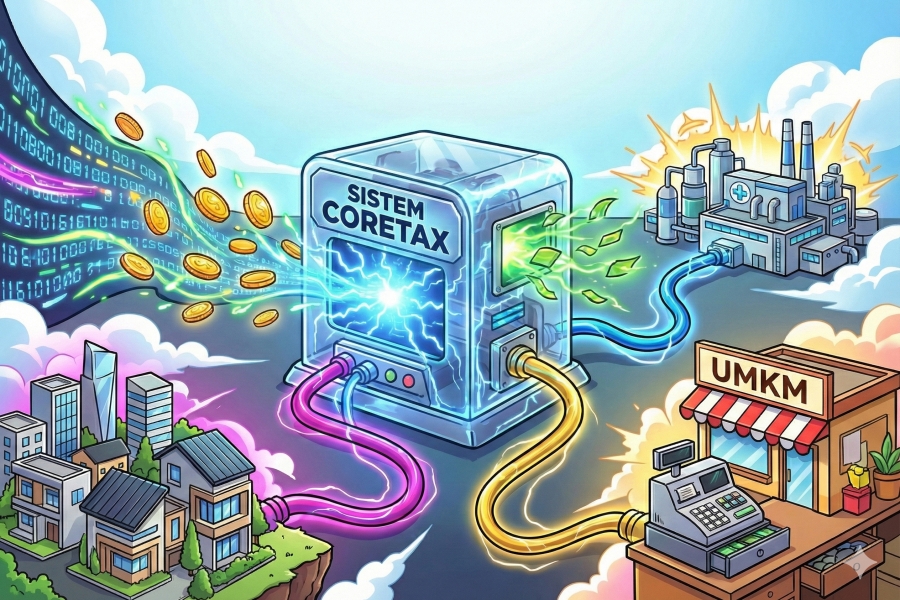
The government is launching massive tax stimuli ranging from PPh 21 exemptions to trillion-rupiah subsidies for MSMEs and pioneer industries in 2026. These strategic steps aim to maintain middle-class purchasing power and strengthen the national economic foundation amidst global challenges. Modernizing the digital tax system is now the primary key to eradicating corruption and boosting public trust.
The government projects that the value of tax holiday facilities for pioneer industries will reach Rp 7.33 trillion in 2026. These incentives specifically target 18 strategic sector groups, including basic metals, pharmaceuticals, and high-tech manufacturing with a minimum investment of Rp 100 billion. Providing up to 100% corporate income tax exemptions is expected to create a much more competitive investment climate for global business players.
The strong fiscal support for these large industries goes hand in hand with the government's real commitment to empowering the small business sector through significant budget allocations.
The Ministry of Finance is preparing a fantastic tax expenditure budget of Rp 32.8 trillion to support the 0.5% MSME final income tax scheme in 2026. This policy aims to lighten the burden on micro-entrepreneurs while driving more inclusive economic growth even to remote villages. Additionally, the government is finalizing regulatory revisions to prevent aggressive tax avoidance practices such as splitting business entities to chase lower rates.
This tax policy transformation focuses not only on sectoral incentives but also directly targets strengthening the real purchasing power of the general public through income relaxation.
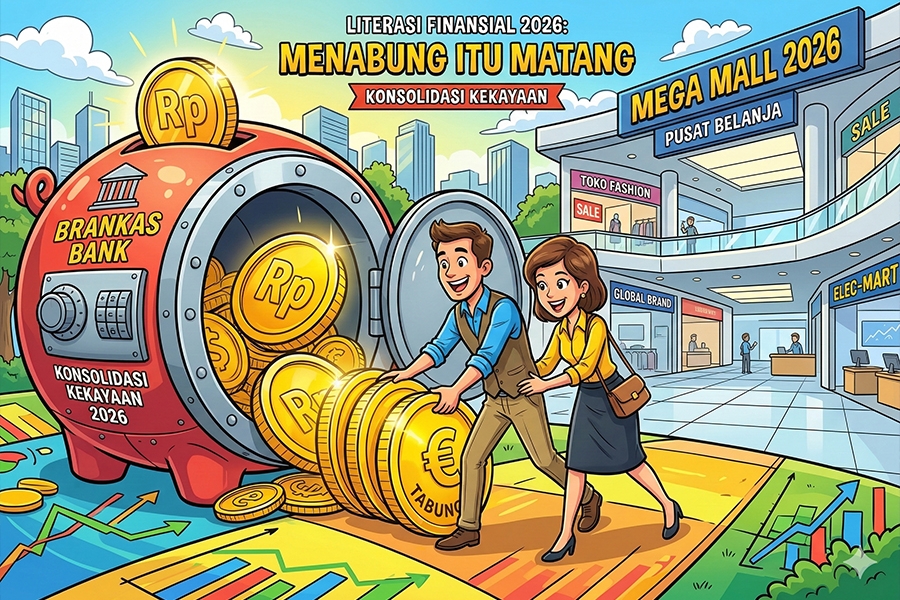
Workers in five labor-intensive sectors with salaries below Rp 10 million per month will enjoy full income without PPh 21 tax deductions during 2026. This relaxation is accompanied by a 100% government-borne VAT policy for purchases of landed houses or apartments up to certain price limits. This double stimulus is projected to provide an additional Rp 28.77 trillion in purchasing power that can directly turn the wheels of national household consumption.
However, the effectiveness of all these massive stimulus programs heavily depends on the integrity of tax officials in carrying out administrative processes in the field.
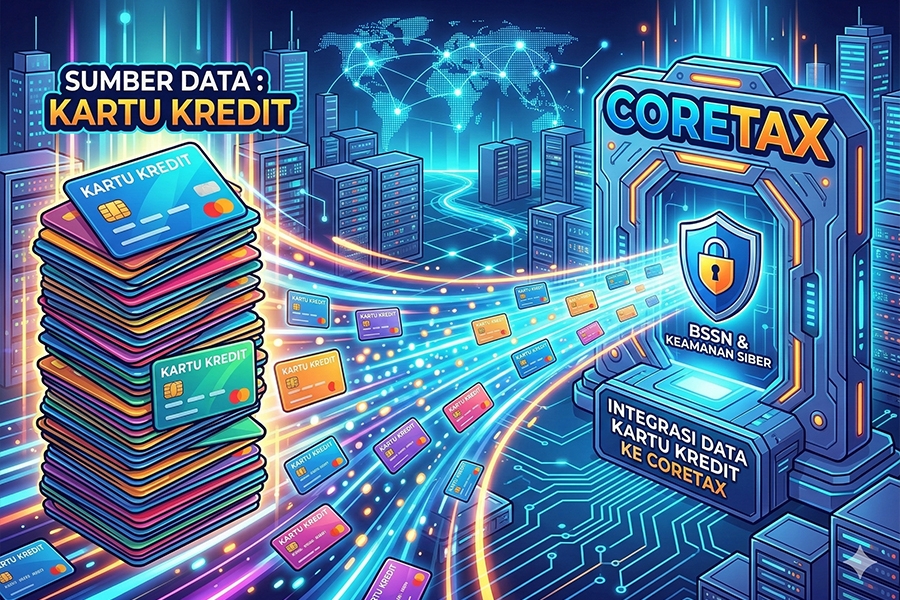
Irregularities in tax audits through "all-in" schemes have come under sharp scrutiny following sting operations by the anti-corruption agency. These incidents trigger serious concerns regarding the potential decline in material compliance and public trust in tax institutions. The government seeks to minimize direct interaction through the implementation of the Coretax digital system and the use of artificial intelligence for objective taxpayer supervision.
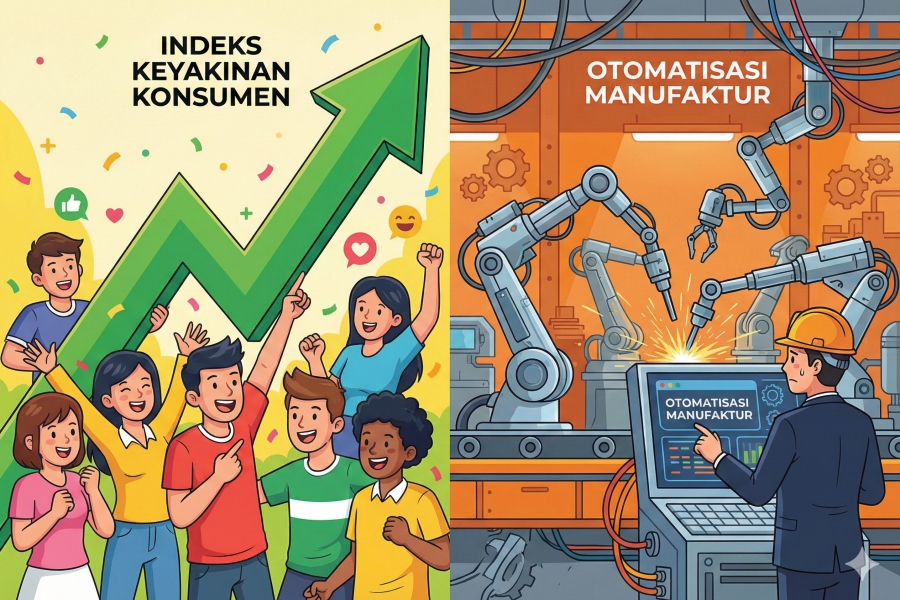
This expansive tax policy provides fresh breathing room for industry players and the middle class to increase their economic activities more freely. If public trust is restored and incentives are maximally absorbed, the property and manufacturing sectors will experience significant growth acceleration in the coming period.
The 2026 tax relaxation momentum must be optimized through synergy between bureaucratic transparency and voluntary taxpayer compliance. The government needs to ensure strict supervision so that every rupiah of incentive truly becomes a catalyst for sustainable and well-targeted national growth.













 tpc.consulting
  tpc.consulting
  info@taxindo.co.id