


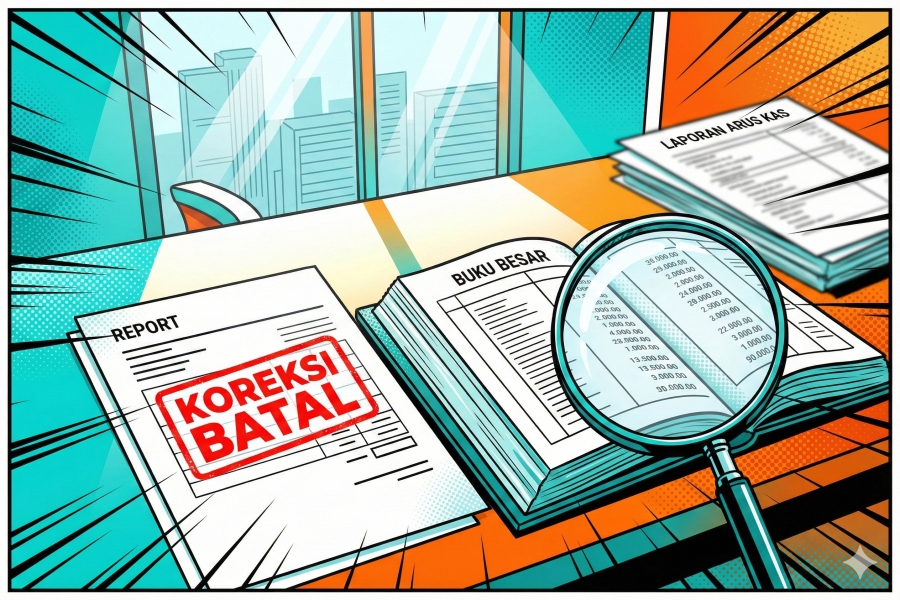
The Tax Court Decision in the Corporate Income Tax (CIT) dispute between PT BFT and the Directorate General of Taxes (DJP) is a critical case study on the separation of deductibility (expense allowance) and withholding tax compliance. The Taxpayer successfully overturned all fiscal corrections with a ruling from the Panel of Judges that Granted the Taxpayer's Appeal in Full, specifically regarding the issues of Loading and Unloading Labor Costs (TKBM) and non-operating income (loan/advance funds).
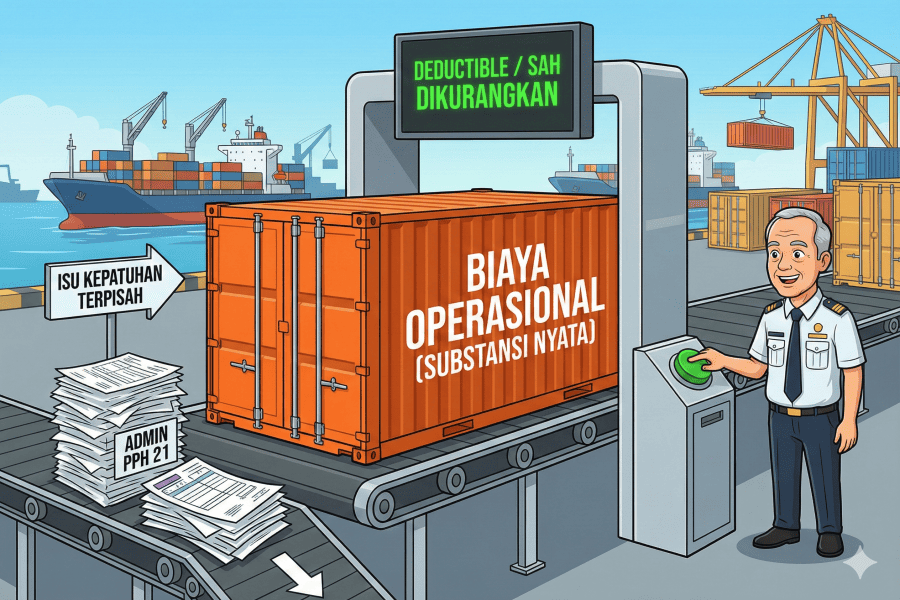
The main issue under scrutiny was the TKBM Expense correction. The DJP rejected the expense deduction because the Taxpayer was deemed unable to provide adequate evidence, including the potential failure to withhold Article 21 Income Tax (PPh Pasal 21) on the labor wages. However, PT BFT successfully convinced the Panel that the loading and unloading costs were genuinely incurred and constituted a legitimate expenditure directly linked to the company's 3M activities (Obtaining, Collecting, and Maintaining Income).
The Panel of Judges made a crucial affirmation: the potential PPh Pasal 21 that should have been received by the state from TKBM wages does not change the fact that the expense is still deductible from gross income for CIT purposes. The Panel was of the opinion that the PPh 21 potential is a compliance issue that should have been followed up by the DJP through a separate correction related to PPh Article 21, rather than nullifying the expense deductibility in the CIT assessment.
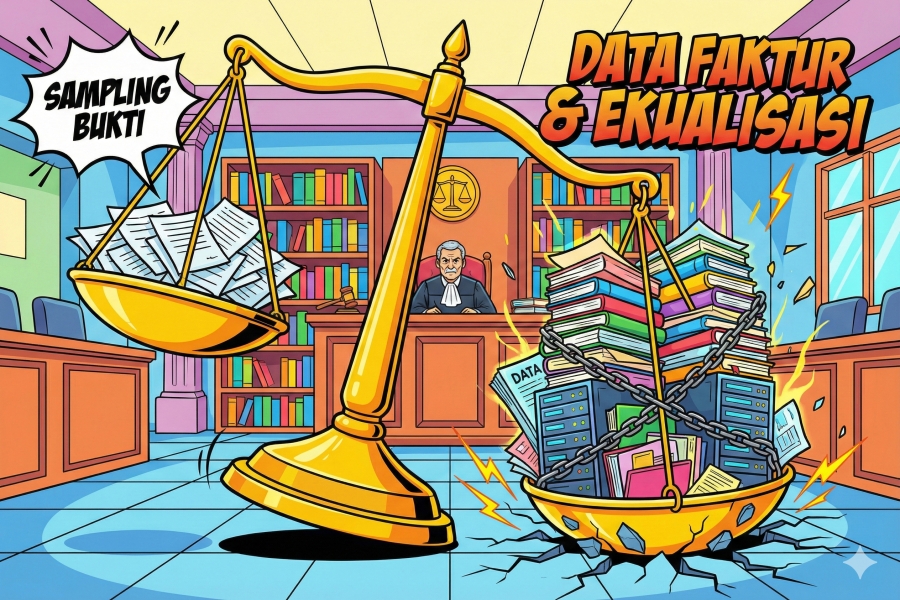
In addition, PT BFT also successfully overturned the correction of Non-Operating Income stemming from cash inflows claimed to be reimbursable expenses (advances/loan funds). This success demonstrates that the Taxpayer was able to present convincing primary and formal evidence, such as loan agreements, consistent recording of liabilities, and repayment mechanisms, leading the Panel to judge the cash flow as a liability and not corporate income.
With successful substantiation in both lines of dispute, the Panel ruled that all fiscal corrections made by the DJP could not be sustained. The decision to Grant the Appeal in Full reaffirms the Taxpayer's original CIT calculation prior to the corrections.
Key Insight: This decision marks an important milestone that distinguishes the validity of the substance of an expense in CIT from formal withholding tax compliance. For Taxpayers utilizing third-party services, as long as they can prove the realization of the expense and its 3M connection conclusively, the expense remains an allowable deduction. This strengthens the principle that the substantiation of the expense's substance is more dominant than the formality of withholding in determining taxable income, while also emphasizing the critical need for formal documentation for all non-income cash flows.
Comprehensive and Complete Analysis of This Dispute is Available Here
















 tpc.consulting
  tpc.consulting
  info@taxindo.co.id