


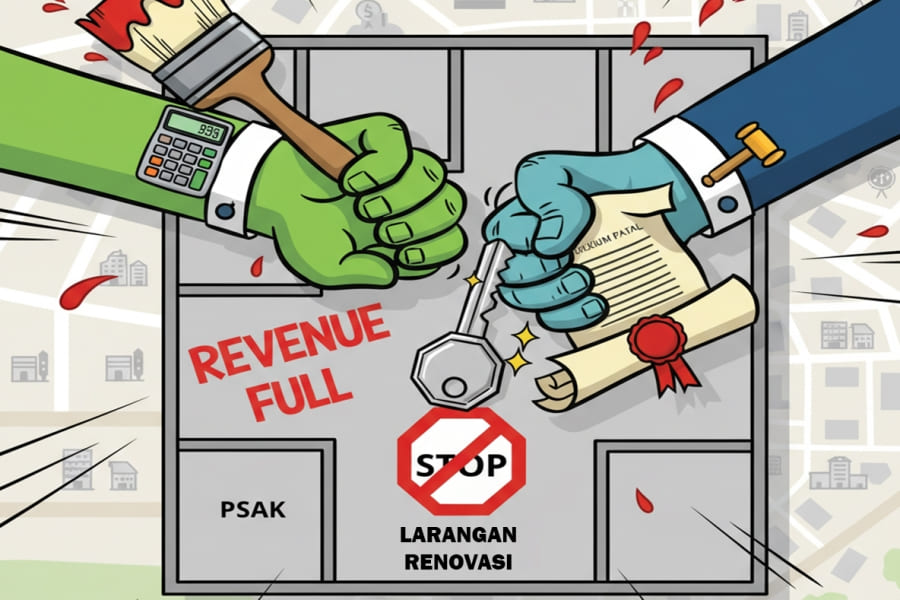
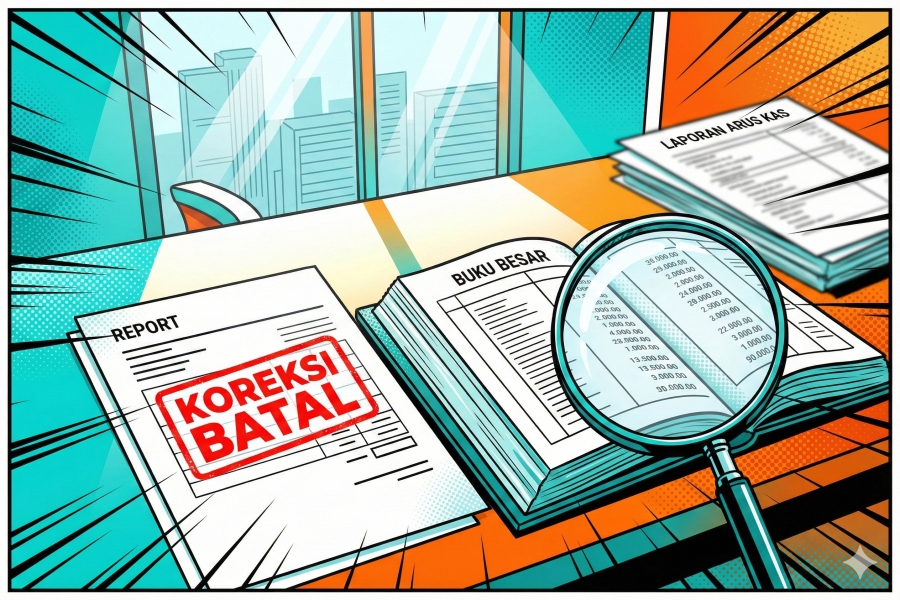
The VAT dispute over the transfer of a property unit resurfaced in a crucial ruling by PT PPP. The Tax Court panel of judges granted the entire appeal, overturning the correction of the VAT Taxable Base (DPP) amounting to Rp74.56 billion. This ruling affirms that revenue recognition based on PSAK 72 at the time of the Handover Report (BAST) does not automatically constitute the basis for full VAT payable, especially when the Deed of Sale and Purchase (AJB) has not yet been legally issued.
The core dispute in this ruling is a difference in interpretation of the "time of handover" of immovable goods. The Directorate General of Taxes argued that VAT is fully payable at the time the BAST and the Loan-Use Agreement (PPP) are signed. The basis for this is Article 17 paragraph (3) letter b of Government Regulation 9/2021, which states that handover occurs when the right of actual control (in substance) is transferred. The Directorate General of Taxes (DGT) highlighted the inconsistency of PT PPP, which had recognized full revenue in the General Ledger in accordance with PSAK 72 during the BAST (Transfer of Control), but collected VAT in installments (based on installments). For the DGT, revenue recognition under PSAK 72 (transfer of control) is evidence of a "real" transfer.
PT PPP disagreed with the DGT's correction, arguing that the BAST/PPP was issued solely to comply with PSAK 72 and did not constitute a transfer of ownership. The primary legal evidence was that the Deed of Sale and Purchase (AJB) had not yet been issued and the certificate had not yet been transferred to the owner. The factual evidence was that the buyer (customer) did not yet have full control, as evidenced by the prohibition on renovations to the leased unit. Therefore, PT PPP argued that VAT should be payable based on the installment payments received, in accordance with PER-03/PJ/2022 and the Explanation of Article 12(3) of the KUP Law.
The Panel of Judges, in its deliberations, agreed with PT PPP's argument. The Panel found that the Deed of Sale and Purchase (AJB) had not yet been issued, thus legally retaining ownership of PT PPP. The Panel also highlighted the lack of full control (prohibition on renovation) in its argument. Critically, the Panel even argued that if full control has not transferred, full revenue recognition (PSAK 72) should also not be recognized. The Panel concluded that the correct VAT basis is based on the down payment or installment received.
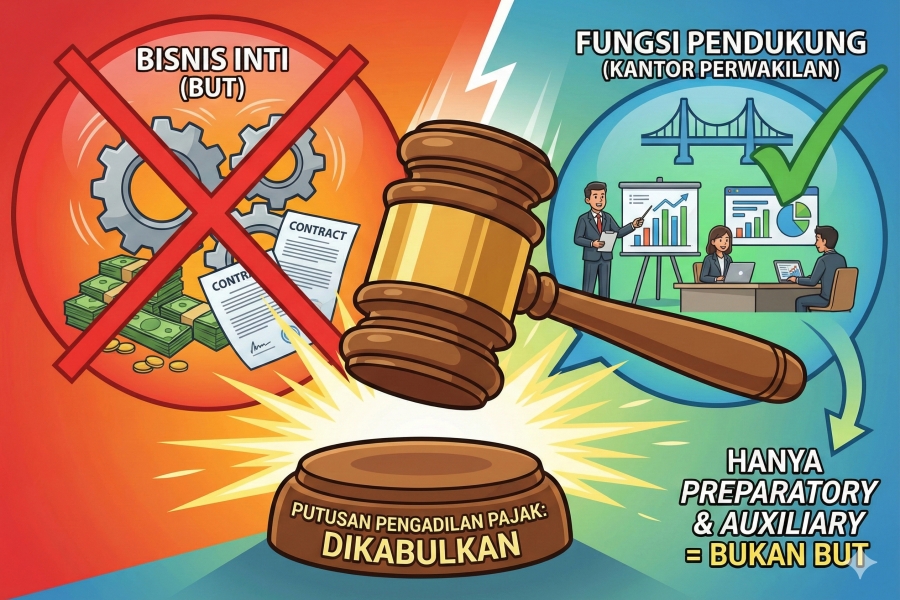
This ruling highlights a crucial grey area between tax timing (based on actual/legal delivery) and accounting timing (based on the transfer of control under PSAK 72). PT PPP's victory demonstrates that BAST is not automatically equated with the delivery of BKP subject to full VAT, as long as the Taxpayer can prove that legal rights (AJB) and full control have not actually transferred to the buyer.
A Comprehensive Analysis and Tax Court Decision on This Dispute Are Available Here
















 tpc.consulting
  tpc.consulting
  info@taxindo.co.id