


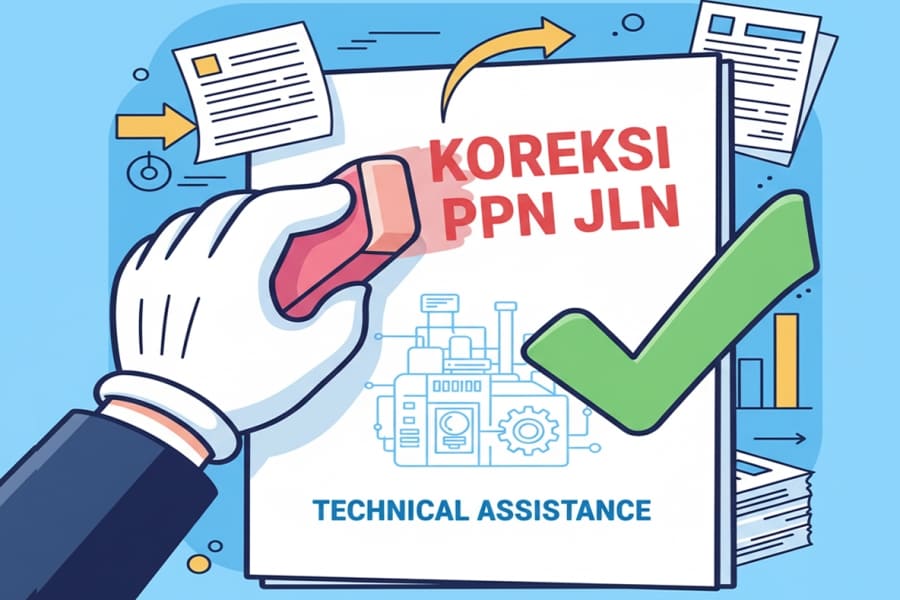
This dispute originated from a tax correction conducted by the Directorate General of Taxes (DJP) against PT MAI (formerly PT HLI), for the Tax Period of January to December 2020. The core dispute centers on the correction of the Tax Base (DPP) for Value Added Tax on the Utilization of Taxable Services from Outside the Customs Area (PPN JLN or Foreign VAT).
Crucially, this PPN JLN correction is a secondary adjustment arising as a direct consequence of a primary adjustment made to the Corporate Income Tax (PPh Badan) related to a Transfer Pricing (TP) issue.
The DJP corrected the cost of Technical Assistance (TA) fee and Technical Support (TS) paid by PT MAI to its affiliated party, HL Mfg., Co., Ltd., in Japan. DJP viewed that these technical service fees were a duplication of existing royalty payments. Consequently, the payments were categorized as an attempt at profit shifting and were disallowed as deductible expenses (eliminated) for Corporate Income Tax purposes.
As a consequence of the cost elimination in Corporate Income Tax, the DJP reclassified the amount of the service payments as a constructive dividend. The DJP argued that since the transaction status had changed from a service payment to a dividend—which, under tax regulations, is not an object of VAT—the PPN JLN that had already been paid by PT MAI should be eliminated from the PPN JLN Tax Base. This was the basis for the DJP's issuance of a Nihil Tax Assessment Letter (SKPN) for the PPN JLN under dispute.
PT MAI filed an appeal, rejecting both the primary Corporate Income Tax correction and the secondary PPN JLN correction. The Taxpayer asserted that the payments for the technical services (TA and TS) were real transactions, provided clear economic benefits, and were substantially different from the royalty payments. Furthermore, these payments had been proven to comply with the Arm’s Length Principle (ALP).
Regarding the secondary PPN JLN correction, the Taxpayer argued that the reclassification as a constructive dividend was legally invalid because it failed to meet formal requirements, such as the company still recording a negative retained earnings balance (deficit) and the absence of a General Meeting of Shareholders (GMS) resolution for dividend distribution, as required by the Limited Liability Company Law.
In its consideration, the Tax Court Panel concluded that the validity of the PPN JLN correction was heavily dependent on the outcome of the Corporate Income Tax dispute (the primary correction).
After reviewing the Tax Court Decision concerning the Corporate Income Tax for the same tax year, the Panel found that PT MAI had successfully proven that the technical services received constituted a real transaction, not a shareholder activity, and complied with the ALP.
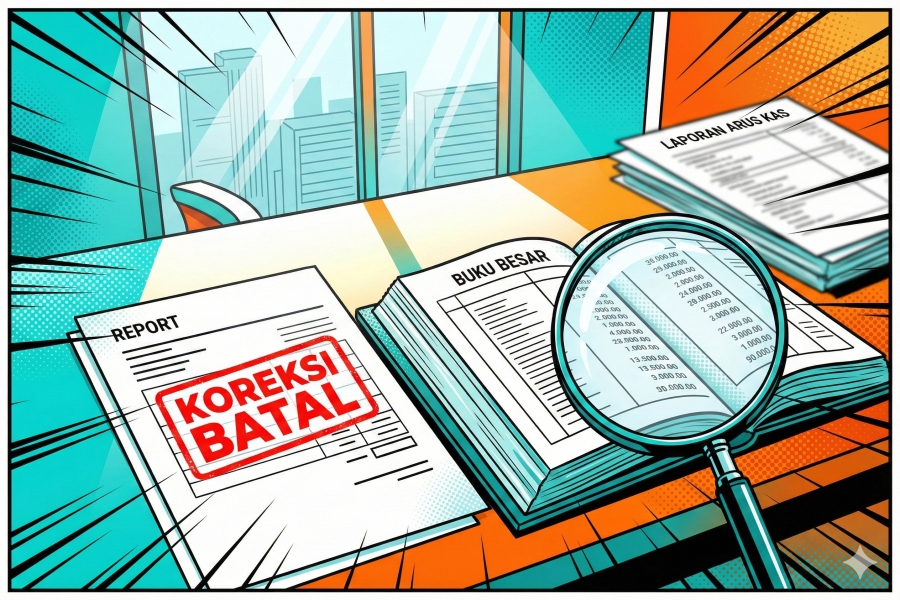
Since the primary Corporate Income Tax correction was annulled, the legal basis for establishing a constructive dividend was automatically voided. Consequently, the secondary correction to the PPN JLN Tax Base could also not be sustained. The Panel ultimately ruled to Fully Grant the Appeal filed by PT MAI, thereby annulling the PPN JLN correction and setting the Amount of VAT Still Payable back to Nihil (Zero).
A comprehensive analysis and the Tax Court Decision on This Dispute Are Available Here


















 tpc.consulting
  tpc.consulting
  info@taxindo.co.id