


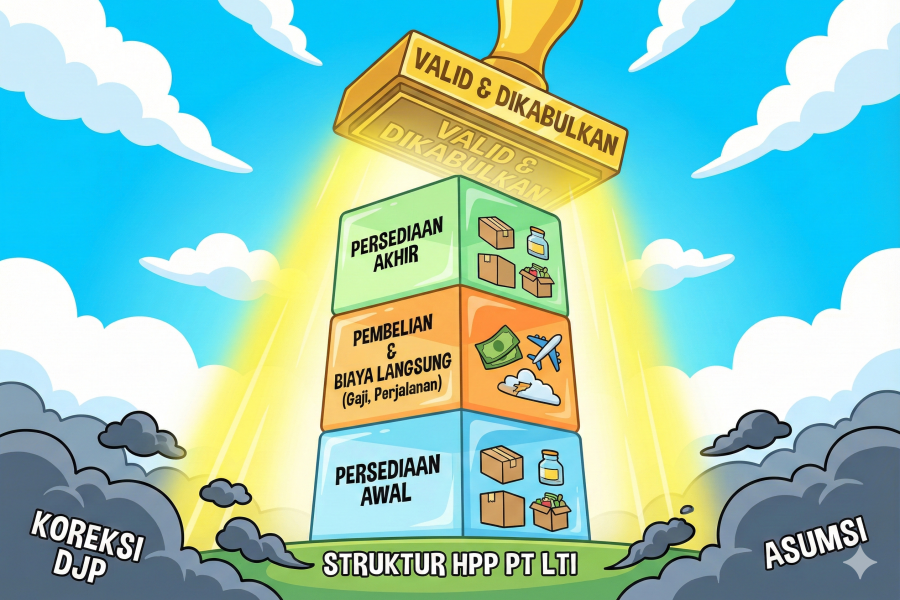
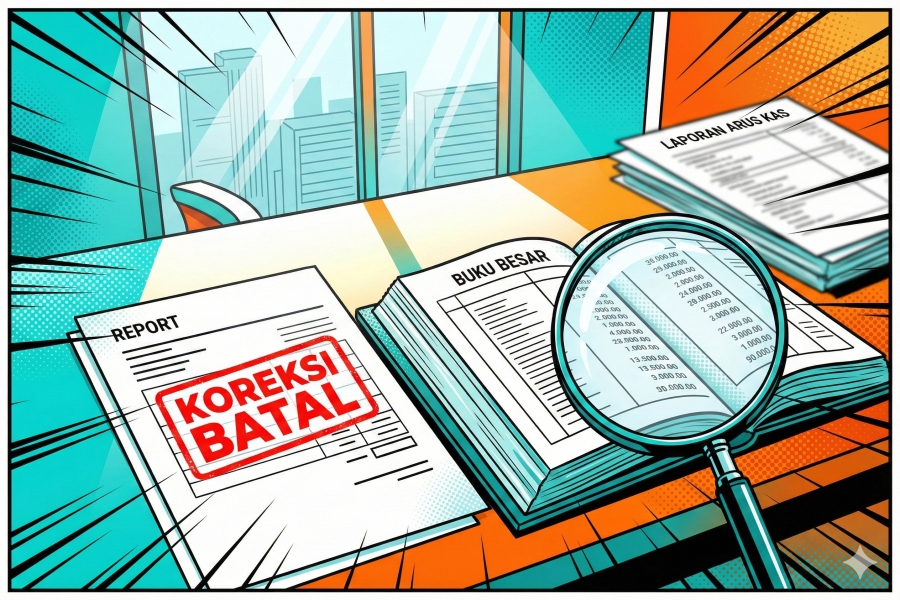
This Tax Court Decision is an example of comprehensive evidence presented by PT LTI in the dispute of Corporate Income Tax for Fiscal Year 2017. The Panel of Judges decided to Fully Grant the Appeal of the Appellant against the Objection Decision, cancelling all fiscal corrections which include two crucial items: Cost of Goods Sold (COGS) and Compensation of Losses from Previous Fiscal Years.
The COGS correction by the DGT was based on an allegation of cost charges exceeding the cost that should have been recognized. The DGT argued that based on the examination of the Taxpayer’s Financial Statements, the total purchase value per supplier was IDR 29,321,617,491, therefore the DGT did not accept the claim of actual purchases amounting to IDR 33,193,000,276 as argued by PT LTI. Moreover, in the General Ledger the inventory account included costs such as employee salaries, business travel, entertainment, and overtime which, according to the DGT, were not purchase transactions.
PT LTI denied that any state loss occurred, and stated that the issue was merely a formal error in completing Attachment II of the Corporate Income Tax Return. The Taxpayer argued that the COGS value reported in the Tax Return, which is IDR 29,321,617,491, was the same and correct amount based on accounting records.
The Panel of Judges then found a crucial fact that the DGT used the detailed Cost of Goods Sold per supplier (amounting to IDR 29,321,617,491) as the basis for purchase calculation, whereas the calculation of COGS itself should be derived from beginning inventory plus purchases minus ending inventory. The Panel also considered that employee salaries, business travel, and other costs disputed by the DGT may still be charged as COGS, as long as such costs are substantively direct costs related to the process of producing goods or services. Since there was no dispute over beginning and ending inventories which are the main components of COGS, the Panel concluded that the basis of correction used by the DGT—namely the detailed COGS per supplier as purchase data—was inaccurate and the COGS correction must be cancelled.
The second dispute is the negative correction of Loss Compensation amounting to IDR 1,075,947,714 (remaining loss of Fiscal Year 2014). The DGT argued that the remaining loss of 2014 should have been fully compensated in Fiscal Year 2017, because the Taxable Income (TI) of PT LTI in that year exceeded the amount of loss that could be compensated. However, PT LTI successfully presented evidence that the Fiscal Year 2014 loss had been utilized (compensated) gradually and correctly in the previous years up to 2017, and the amount of loss that could be compensated had gone through proper corrections and approval in the past. With complete evidence of loss utilization, the Panel cancelled the correction.
This total victory of PT LTI strengthens two principles of tax litigation: First, the Taxpayer must be able to explain and document in detail the classification of expenses and ensure accurate filing of the Tax Return. Second, for disputes related to Loss Compensation, the key to success is keeping and presenting the history of fiscal loss utilization in detail for each fiscal year to rebut any assumptions by the Tax Authority regarding unutilized losses.
Keywords: COGS Correction, Cost of Goods Sold, Loss Compensation, Purchases, Attachment II Corporate Income Tax Return, Deductibility, Burden of Proof, Taxindo Prime Consulting, TPC Transfer Pricing, Tax Litigation.
Comprehensive and Complete Analysis of This Dispute is Available Here
















 tpc.consulting
  tpc.consulting
  info@taxindo.co.id