



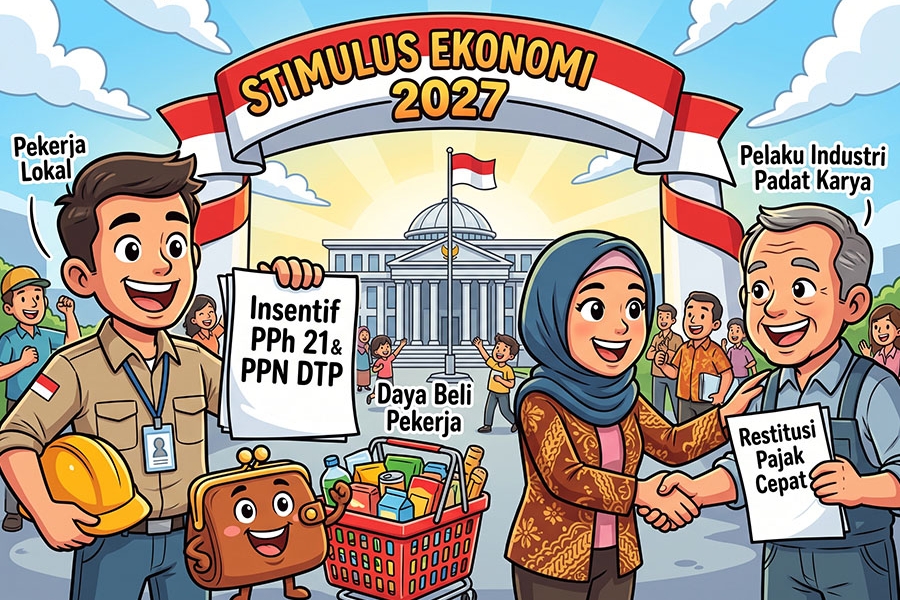
The government is currently strengthening economic and tax policies to boost state revenue while maintaining economic growth and the competitiveness of domestic businesses. The policy direction includes adjusting MSME tax provisions, accelerating economic growth to rebuild the middle class, expanding transaction digitalization through QRIS, and strengthening the electronic commerce ecosystem so that e-commerce growth also benefits MSMEs and local products.
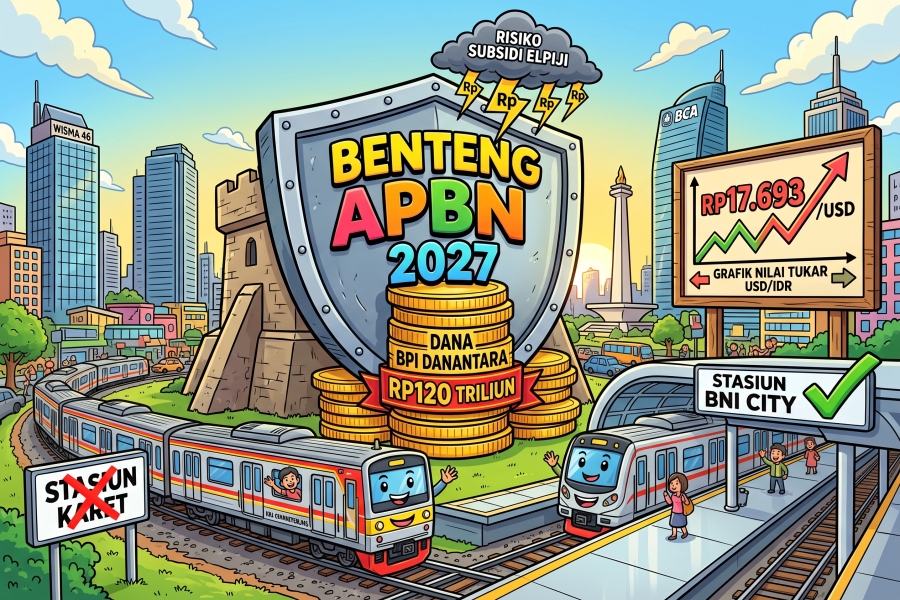
The Government of Indonesia is striving to maintain state budget (APBN) resilience amidst limited fiscal space and the looming surge in energy subsidies. Simultaneously, monetary authorities are anticipating rupiah exchange rate volatility, while the infrastructure sector adjusts public transportation services. This news summary provides a general overview of state financial management, macroeconomic indicators, and recent public facility efficiency measures.
The Government of Indonesia deposits profits of IDR 120 trillion from the Danantara Investment Management Agency into the APBN treasury to curb the widening state budget deficit. This capital injection step proves crucial as the Ministry of Finance notes limited APBN flexibility in supporting 2027 economic growth targets due to heavy mandatory spending obligations.
Beyond expenditure constraints, domestic fiscal stability is also at risk from the potential overrun of the 3 kg LPG subsidy quota, which national economists project will exceed the APBN allocation. In the domestic financial market, Bank Indonesia records rupiah exchange rate movements remaining bound at IDR 17,693 per US dollar over the past week while awaiting the release of latest inflation data and monetary policy rate signals from The Fed.
In the public mobility infrastructure sector, PT Kereta Commuter Indonesia will shift KRL passenger boarding and alighting services from Karet Station to BNI City Station starting September 1, 2026. This railway transportation service realignment aims to enhance intermodal integration efficiency and streamline passenger movement across Jakarta's central business district.
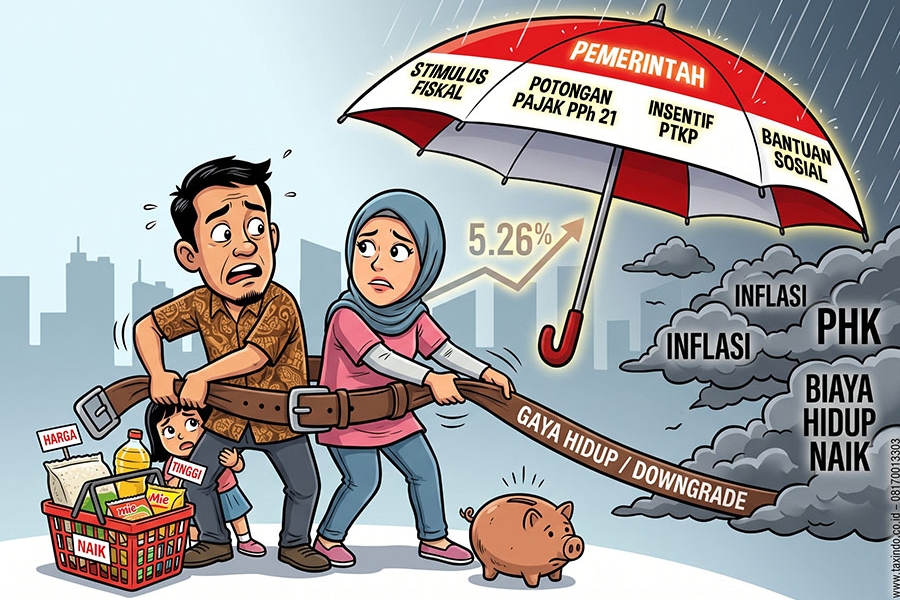
This series of state budget realignments, subsidy surge risks, exchange rate fluctuations, and public transit adjustments carries strategic implications for various stakeholders. The Danantara fund injection and constrained APBN fiscal space require the business community to reduce reliance on state budget-funded projects and anticipate tighter tax administration. At the same time, rupiah volatility and potential 3 kg LPG subsidy shortfalls prompt the public and investors to tighten cash flow planning and mitigate rising operational costs. Meanwhile, the shift of Karet Station KRL passenger services alters daily commuting routes for workers in Jakarta's central office district.
Overall, the integration of state budget discipline, monetary responsiveness to global dynamics, and public facility optimization serves as the primary pillar supporting national economic stability. A comprehensive understanding of government regulatory directions and financial market movements is essential for business players, investors, and the general public to mitigate financial risks and capitalize on future efficiency opportunities.

















 tpc.consulting
 tpc.consulting
 info@taxindo.co.id