




The Directorate General of Taxes targets a tax ratio of 9.26% in 2027 as part of its efforts to increase tax revenue. In line with the expansion of the revenue base, the government has begun implementing the collection of Article 22 Income Tax (PPh 22) at a rate of 0.5% through e-commerce platforms on eligible domestic merchants. On the other hand, the government has set a Value Added Tax (VAT) and Luxury Goods Sales Tax (PPnBM) revenue target of Rp1,126.1 trillion for 2027 amidst the ongoing challenges of recovering public consumption and purchasing power..
The Directorate General of Taxes (DJP) under the Ministry of Finance is targeting a tax ratio of 9.26% in 2027, marking the highest level in a decade since Indonesia recorded a tax ratio of 8.9% in 2016. To achieve this target, the DJP will strengthen tax administration, broaden the tax base, and optimize the use of technology and the Coretax system. The DJP also projects a tax buoyancy of 1.41 in 2027, which reflects a targeted tax revenue increase of 1.41% for every 1% of economic growth.
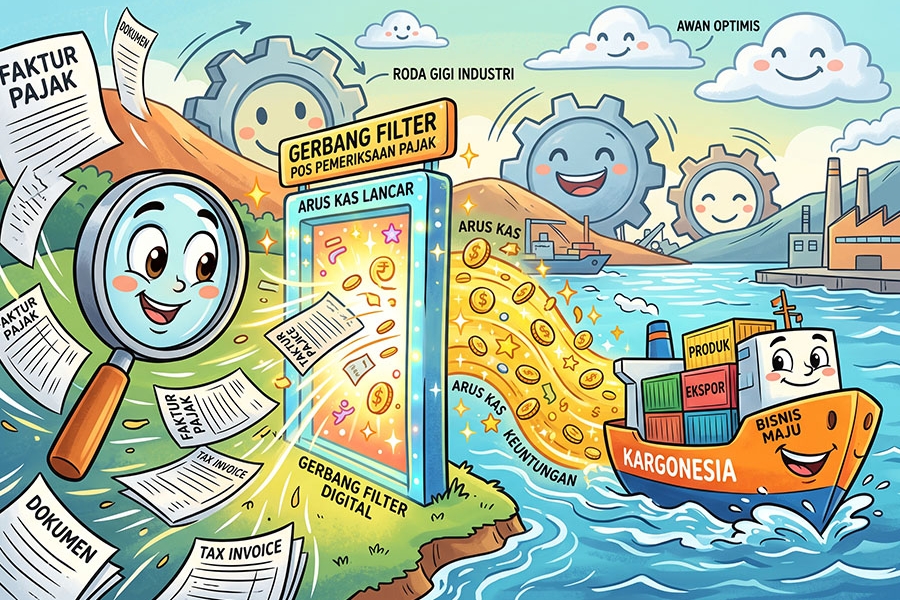
The DJP is subsequently utilizing data and technology to expand the supervision of digital economic activities, the shadow economy, and the informal sector. Supervision also covers digital and e-commerce transactions, taxpayers within the same corporate group, related party transactions, under-invoicing practices, transfer pricing, and prominent individual taxpayers (high net worth individuals). These measures are part of the DJP's efforts to broaden the revenue base and improve the effectiveness of tax administration.
This tax base expansion strategy subsequently targets digital trade activities. The government accelerated the implementation of Article 22 Income Tax collection through marketplaces, taking effect on October 1, 2026.
Tokopedia, Shopee, Lazada, and Blibli have begun collecting Article 22 Income Tax at a rate of 0.5% from the turnover of domestic merchants through their respective platforms. The DJP emphasized that this policy is not a new type of tax or an additional rate, but rather a change in the collection mechanism designed to make the fulfillment of tax obligations simpler, more orderly, and to provide certainty for merchants.
The government continues to provide facilitations for small business actors by exempting individual taxpayers with an annual turnover not exceeding Rp500 million from the Article 22 Income Tax collection, provided they meet the applicable requirements. Meanwhile, the Article 22 Income Tax that has been collected by marketplaces can be credited as a tax credit for taxpayers using general rates. The government has also simplified the application mechanism for exemption certificates to support MSMEs while safeguarding public purchasing power.
The implementation of Article 22 Income Tax collection via marketplaces serves as one of the government's steps to bolster revenue from digital economic activities. However, these efforts unfold amidst the government's challenge to reach high consumption tax revenue targets in 2027.
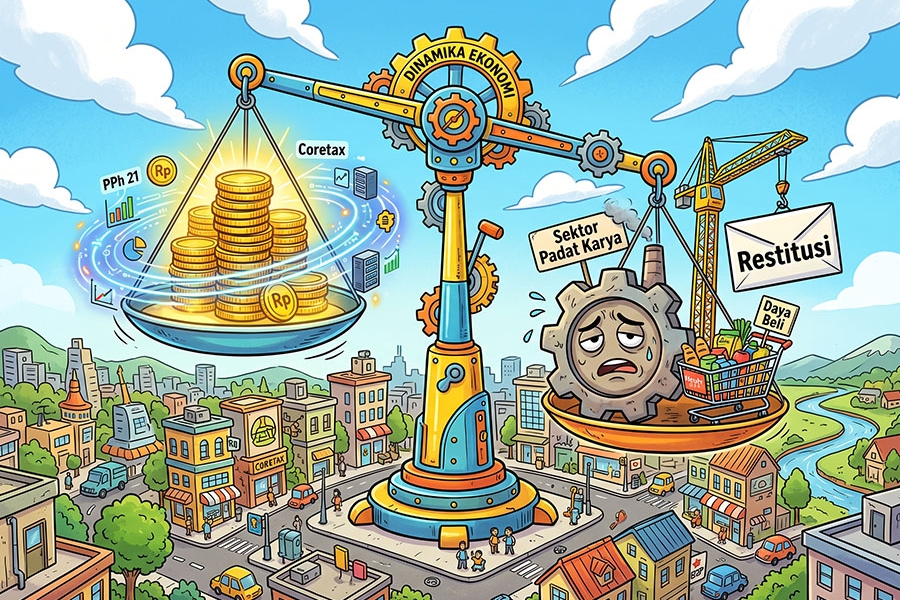
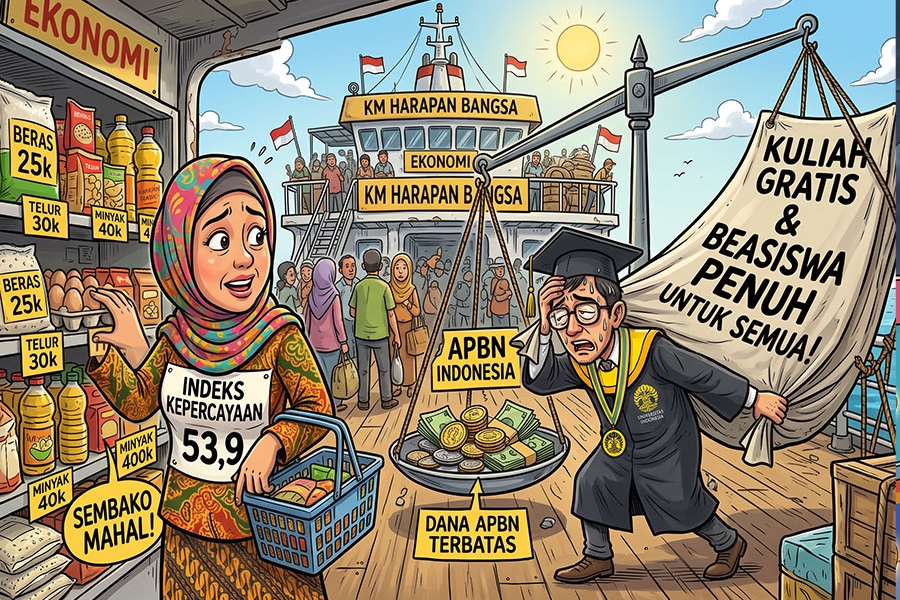
The government has set a Value Added Tax (VAT) and Luxury Goods Sales Tax (PPnBM) revenue target of Rp1,126.1 trillion for 2027, representing an increase of 13.4% from the 2026 outlook of Rp993.3 trillion. The government has set this target at a time when public consumption and purchasing power have not fully recovered. A number of economists assess that pressure from food and energy inflation, a weakening rupiah, high interest rates, and more restricted subsidies for fuel and 3-kilogram LPG could hold back consumption. If consumption only grows moderately, VAT revenue is estimated to grow by around 9%–10%, potentially creating a shortfall of Rp30 trillion–Rp45 trillion from the target.
The government can strengthen revenue by expanding the tax base, particularly in the digital economy sector and cross-border digital transactions, as well as by improving taxpayer compliance. However, the government must also account for the risk of tax restitutions (refunds), which could pressure net revenue. Amid high revenue targets and 2027 economic uncertainties, the strengthening of the revenue base must go hand in hand with the recovery of economic activity and public purchasing power.
This series of tax policies demonstrates the government's efforts to broaden the revenue base by strengthening administration, utilizing technology, and restructuring digital economic activities. The 9.26% tax ratio target for 2027 runs parallel with the implementation of Article 22 Income Tax via marketplaces, as well as the increase in VAT and PPnBM revenue. On the other hand, the government continues to face challenges in the form of recovering consumption and purchasing power, potential restitutions, and the need to maintain taxpayer compliance.
Moving forward, achieving the tax revenue target will depend on the effectiveness of expanding the tax base, optimizing tax technology, and improving taxpayer compliance. At the same time, the government needs to ensure that the execution of tax policies remains aligned with business sector conditions and the recovery of economic activities.
















 tpc.consulting
  tpc.consulting
  info@taxindo.co.id