


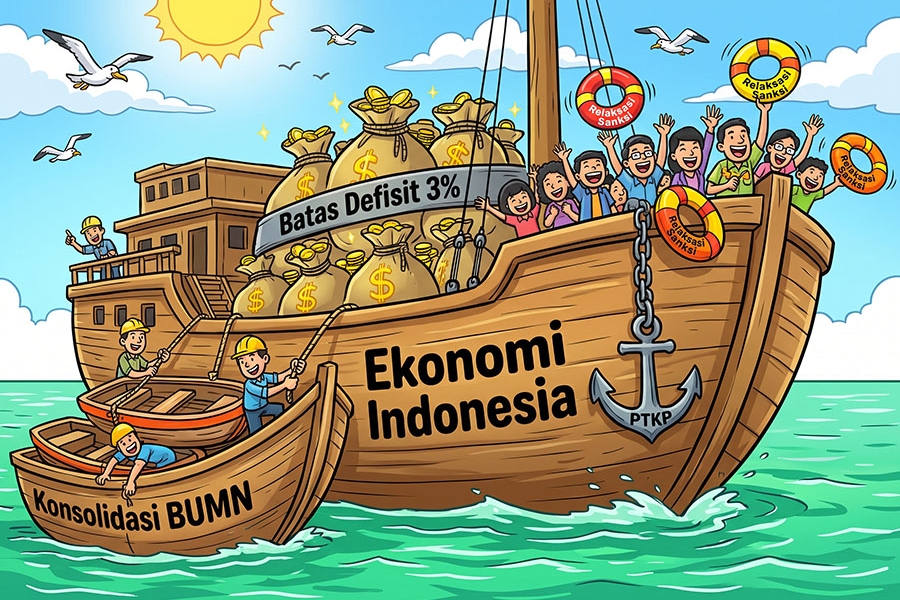
The government is preparing tax incentives to support the consolidation of State-Owned Enterprises (SOEs), while the discourse on increasing the Non-Taxable Income (PTKP) threshold is still weighing its impact on state revenue and the State Budget (APBN) deficit. On the other hand, the government is providing facilitations for submitting applications for the reduction or elimination of administrative tax sanctions until October 1, 2028. These three policies reflect the government's efforts to stimulate economic activity while maintaining fiscal sustainability..
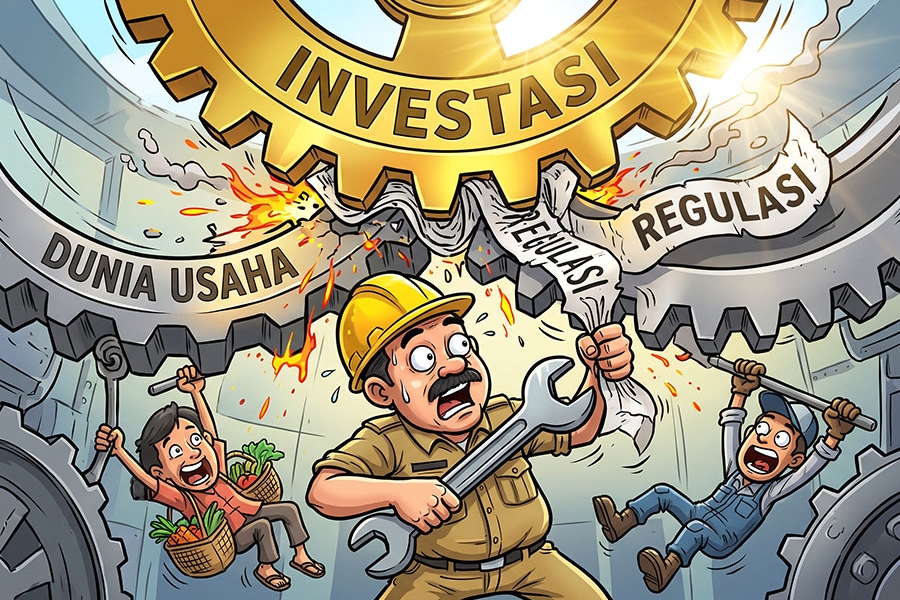
The government continues to develop tax policies to support economic activity, ranging from the restructuring of state corporations to providing relief for taxpayers. Amid the need to spur growth, the government must also ensure that every policy carefully considers state revenue and execution effectiveness.
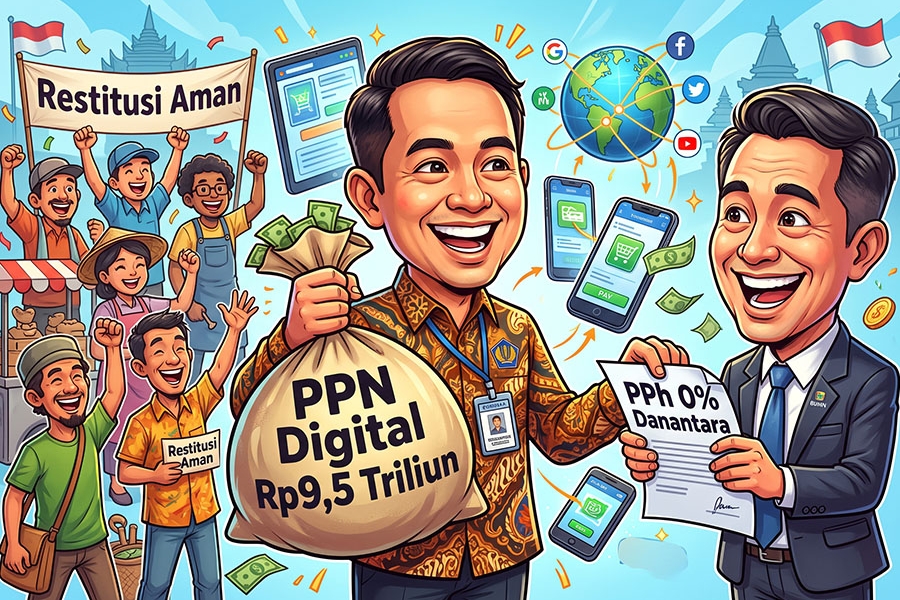
To support the consolidation of State-Owned Enterprises (SOEs) by Danantara, the government is preparing a 0% final Income Tax (PPh) facility for six tax objects related to consolidation actions, as stipulated in the Appendix of PER-12/PJ/2026. This policy is expected to accelerate business restructuring, reduce overlapping business activities, and optimize the utilization of state assets. However, the Head of the Macroeconomics and Finance Center at INDEF warned that these incentives need to yield tangible performance improvements, such as reduced operational costs, increased asset productivity, and improved profitability. At the time of publication, the government is still awaiting the Government Regulation (PP) and Minister of Finance Regulation (PMK) to support further technical provisions.
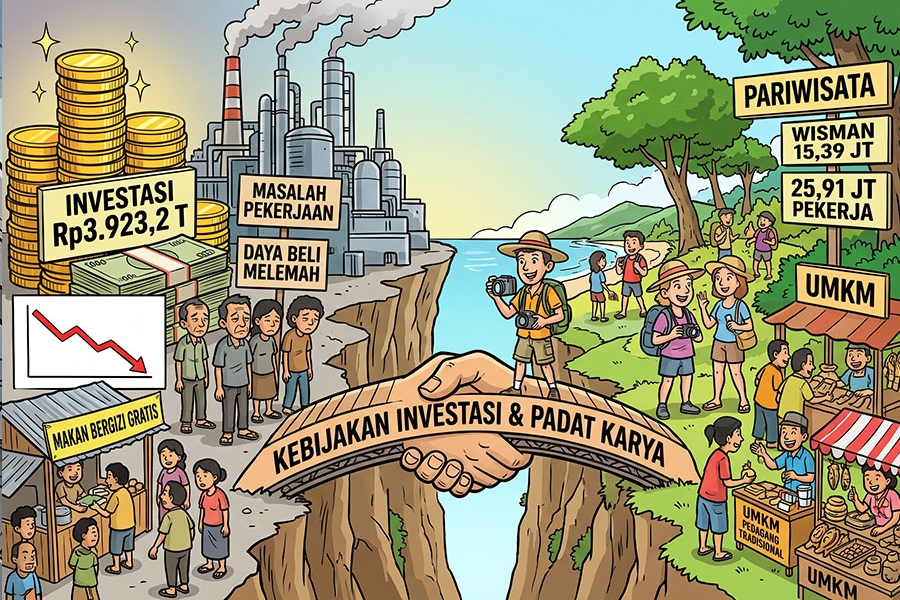
In addition to driving SOE efficiency, the government is also facing fiscal considerations regarding the discourse on increasing the Non-Taxable Income (PTKP) threshold. Discussions on this policy have not been resumed, leaving the PTKP limit for single individual taxpayers without dependents at Rp54 million per year or Rp4.5 million per month, based on PMK No. 101/PMK.010/2016. The discourse on raising the PTKP aims to boost the purchasing power of the middle class. The government is also discussing the expansion of the Article 21 Income Tax (PPh 21) incentive for employees earning below Rp10 million to all business sectors, after previously providing the facility only to the labor-intensive and tourism sectors.
On the state revenue side, an increase in PTKP has the potential to reduce the tax base for Personal Income Tax and Article 21 Income Tax. The government targets tax revenue at Rp2,593.5 trillion in 2027 and a State Budget (APBN) deficit of Rp671.2 trillion, or 2.4% of the Gross Domestic Product (GDP). The Lead Economist of PT Bank Danamon Indonesia Tbk. assesses that incentives to increase disposable income can support domestic consumption. However, these economic benefits do not automatically offset the potential loss of revenue, as a portion of the additional income may be saved, used to pay household debts, or spent on imported goods.
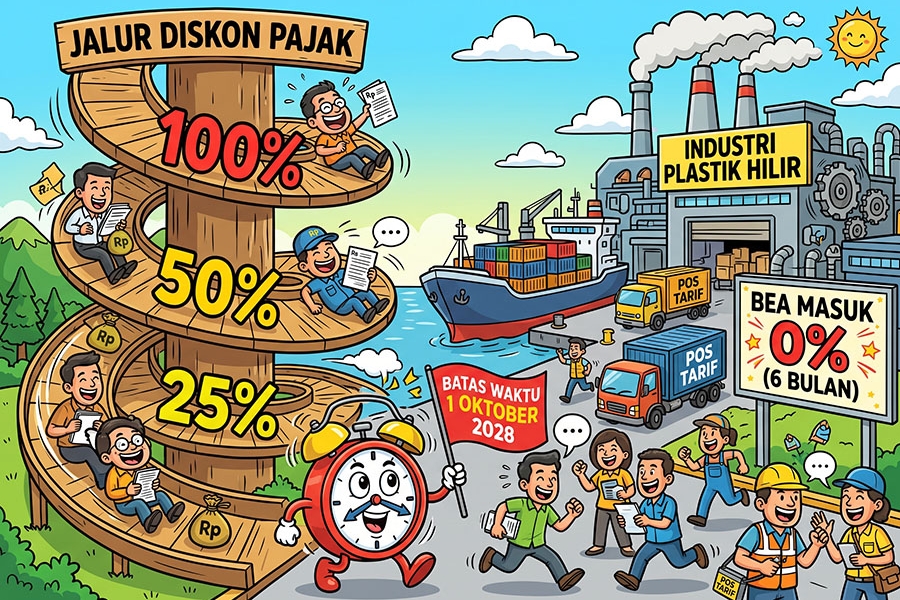
Therefore, the government needs to weigh the benefits of consumption stimuli against development financing needs and the commitment to maintaining the APBN deficit limit at 3% of GDP. While the discourse on the PTKP increase still requires further deliberation, the government has taken another step through the relaxation of administrative tax sanctions. This policy is regulated in PMK No. 71 of 2026 concerning the amendment to PMK No. 118 of 2024, with detailed implementation mechanisms through KEP-239/PJ/2026. Taxpayers can submit applications for the reduction or elimination of administrative sanctions based on these special provisions no later than October 1, 2028. One of the facilitations is the simplification of material proof regarding oversight or unintentional taxpayer error, while still meeting formal requirements and applicable tax provisions.
The facility covers a number of sanctions related to late Annual Income Tax Return (SPT) submissions up to Tax Year 2025, Periodic Tax Returns up to the September 2026 Tax Period, voluntary tax return corrections, late tax payments or deposits, as well as sanctions in tax assessment letters and tax collection letters that meet specific criteria. The DJP estimates there is a principal tax receivable of Rp40.2 trillion with sanctions amounting to approximately Rp14.8 trillion that potentially qualify for sanction reductions of 25% to 100%. This facility does not automatically erase the principal tax debt, so taxpayers must still settle their principal obligations according to the regulations.
For business actors and the public, these three policies present opportunities as well as matters requiring careful attention. SOEs must ensure that consolidation yields efficiency and performance improvements, while individual taxpayers and employers need to follow developments on the PTKP policy and PPh 21 incentives without assuming the discourse is already an active regulation. Meanwhile, taxpayers facing administrative sanctions need to check the alignment of their obligations with the relaxation requirements and calculate their capacity to pay off the principal debt.
Ultimately, the effectiveness of tax policies depends on the economic benefits generated and the ability to safeguard state revenue. The government must ensure that SOE consolidation incentives enhance efficiency, that the discourse on the PTKP increase balances purchasing power with fiscal space, and that the sanction relaxation encourages the orderly settlement of tax obligations. Business actors and taxpayers must also closely monitor official regulations to properly utilize available facilities while continuing to fulfill their tax obligations.










 tpc.consulting
 tpc.consulting
 info@taxindo.co.id