


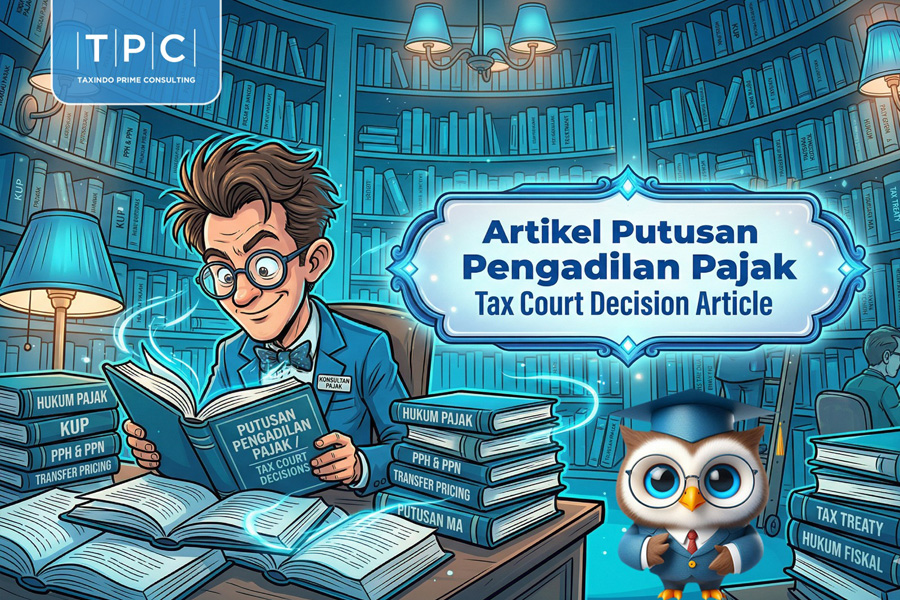
The central issue in determining the taxable profit for multinational companies is compliance with the Arm's Length Principle (ALP). Although PT SMI was not required to prepare a Transfer Pricing Documentation (TP Doc) due to transaction values below the PMK-213/2016 threshold, the DGT still exercised its right to correct based on Article 18 paragraph (3) of the Income Tax Law, resulting in a Cost of Goods Sold (COGS) correction of IDR 247,592,991.00. The DGT argued that the Taxpayer's Return on Sales (ROS) of 2.46% fell below the first quartile of the comparables selected, thus requiring an upward adjustment of profit.
PT SMI countered the DGT's argument by asserting that the affiliated purchasing transactions were already fair, even more favorable, as the purchase price from the affiliate was lower than the affiliate’s selling price to independent parties (internal CUP). The quality of the comparables used by the DGT was also challenged for not being functionally comparable (e.g., mixing trading companies with manufacturing).
The Tax Court Panel accepted the Taxpayer’s argument, especially after filtering and re-reviewing the available comparables. In its decision, the Panel concluded that by utilizing only functionally comparable entities, the Taxpayer's Operating Margin (2.46%) was proven to be within the arm's length range (1.53% - 2.52%). The Tax Court Panel emphasized that the criteria for selecting comparables is a critically important factor in Transfer Pricing disputes.
This Decision sets an important precedent, demonstrating that consistency of the operating margin within a valid interquartile range, even at the lower end, is deemed compliant with the ALP. The implication of this ruling reinforces the necessity for meticulous functional analysis and comprehensive transfer pricing documentation, even for Taxpayers not mandated to prepare a formal TP Doc, to avoid unnecessary disputes.
A Comprehensive Analysis and the Tax Court Decision on This Dispute Are Available Here







 tpc.consulting
 tpc.consulting
 info@taxindo.co.id