




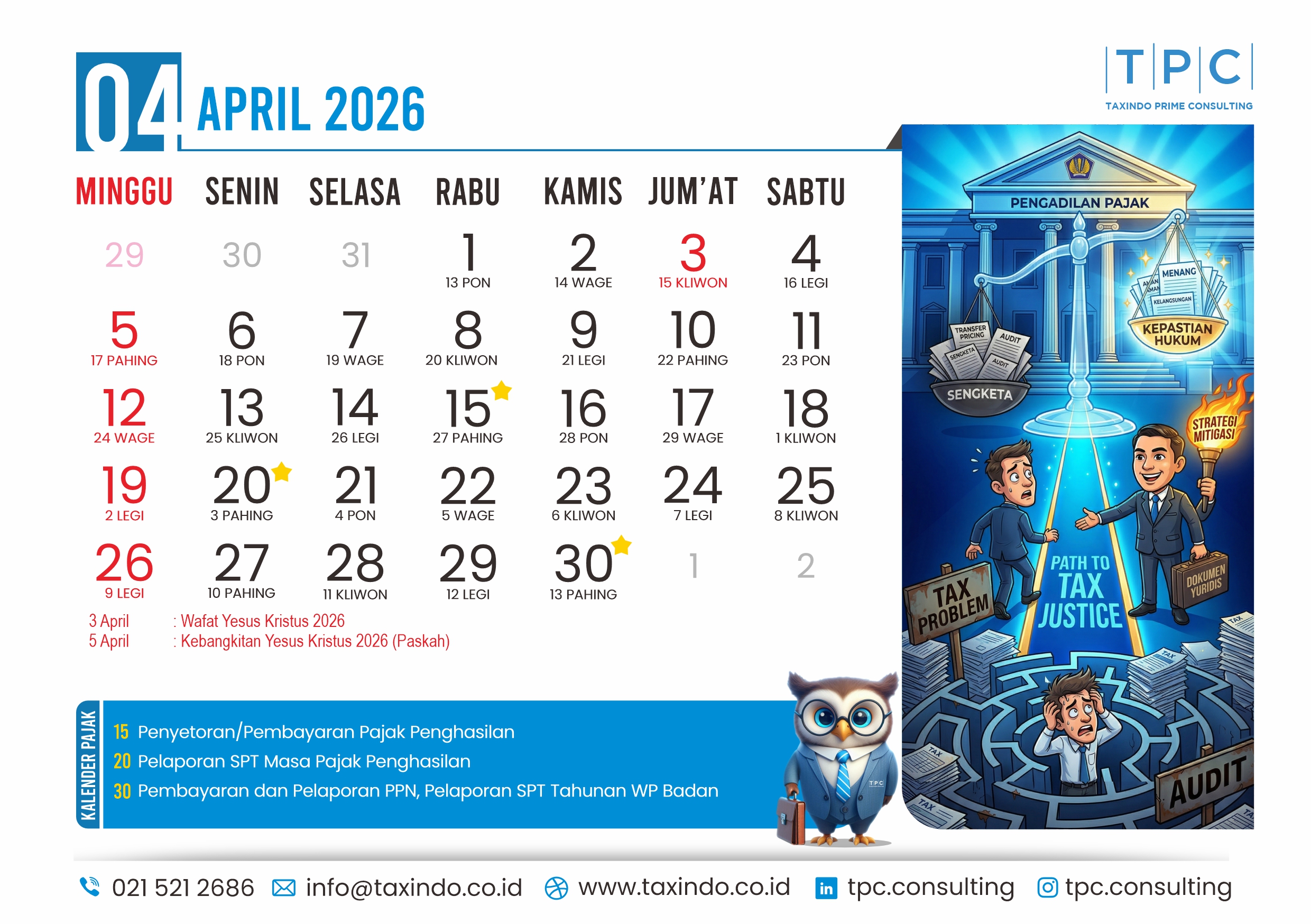
Tax administrative disputes often place Taxpayers in a difficult position when technical constraints clash with rigid formal regulations, as experienced by CV BAM. This case originated from the issuance of a Tax Collection Letter (STP) by the Directorate General of Taxes (DGT), imposing fines under Article 14 paragraph (4) of the KUP Law for delays in issuing Tax Invoices throughout 2022. While the DGT maintained that the sanctions were legally absolute due to systematic negligence, CV BAM filed a lawsuit arguing technical e-Faktur application issues and financial hardship caused by the substantial fines.
The core of this legal conflict lies in the interpretation of Article 36 paragraph (1) letter a of the KUP Law, which grants the Director General of Taxes the authority to waive administrative sanctions. The Defendant argued that legal certainty must prevail over the Taxpayer's internal technical reasons. Conversely, the Plaintiff proved that all Value Added Tax (VAT) owed had been fully paid and reported, resulting in no loss to state revenue. The Plaintiff emphasized that the sanctions imposed were purely administrative-procedural and did not reflect the essence of tax justice for small business entities.
The Tax Court Judges, in their legal considerations, took a progressive stance by prioritizing the principles of justice and legal utility. The Panel acknowledged that the delay in issuing invoices did occur, but categorized it as an unintentional oversight. The Judges' primary emphasis was on the fact that the Plaintiff had demonstrated good faith by perfectly fulfilling its material obligations. Therefore, the DGT's refusal to waive the sanctions was deemed inappropriate as it failed to comprehensively consider the background of the dispute.
The implications of this ruling send a strong signal to tax practitioners that material compliance can serve as a robust argumentative basis to mitigate formal sanctions. This decision reaffirms that administrative sanctions are not instruments to burden substantively compliant Taxpayers but are instead means of supervision and education. In conclusion, the Tax Court consistently protects Taxpayers from administrative rigidity as long as the primary tax payment obligations have been met, while also serving as a reminder for tax authorities to be more prudent in exercising discretionary powers under Article 36 of the KUP Law.








 tpc.consulting
  tpc.consulting
  info@taxindo.co.id