




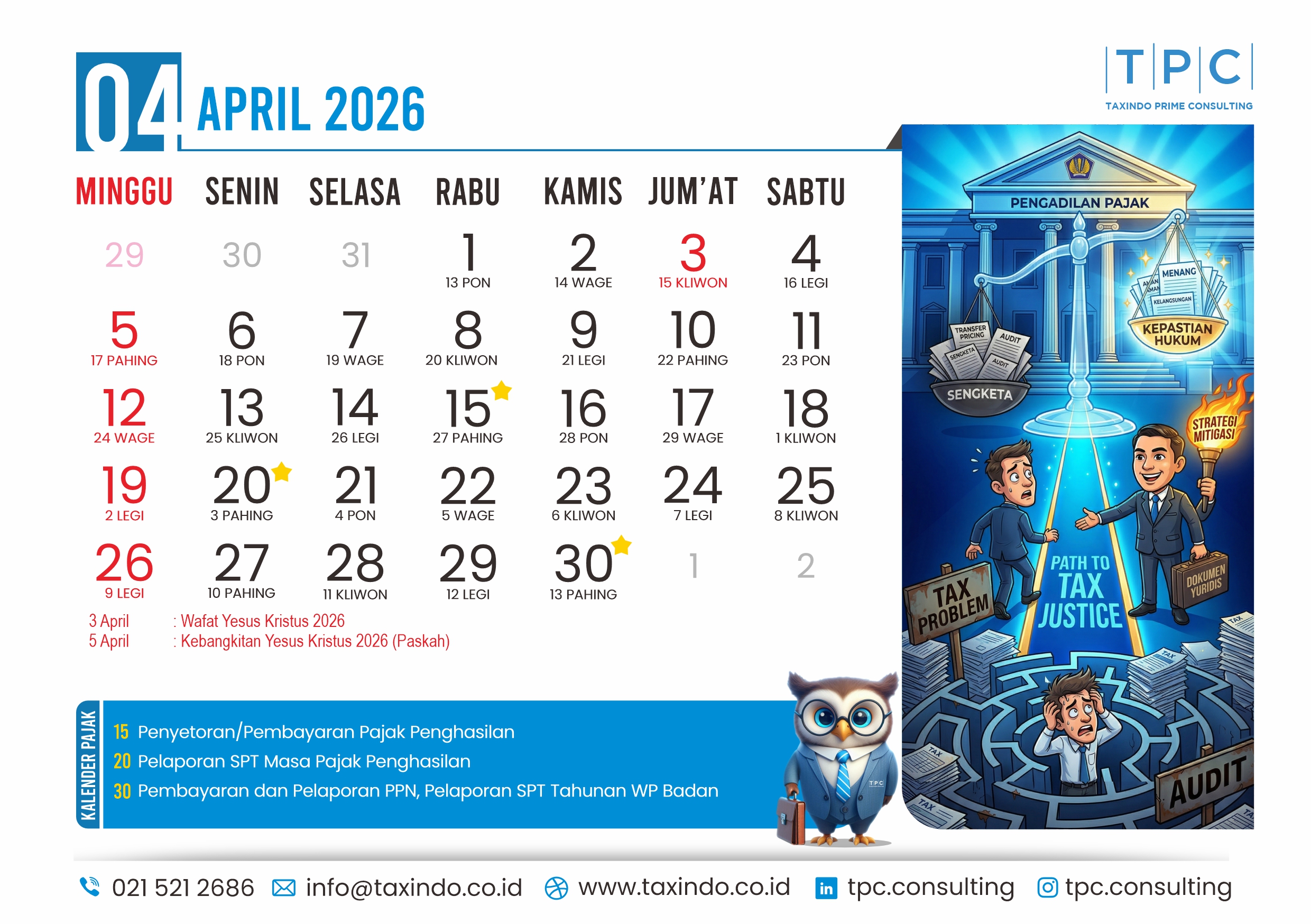
The tax authority imposed a positive correction to the Income Tax Article 26 base of IDR 9,438,936,070 against PT EMI as a secondary adjustment for transactions deemed non-arm's length. This dispute examines whether transfer pricing differences automatically qualify as taxable dividends during extraordinary macroeconomic disruptions such as the COVID-19 pandemic.
The core conflict arose when the Respondent characterized excess payments for cost of goods sold to affiliates as constructive dividends based on Article 18 (3) of the Income Tax Law and PMK 22/2020. The Respondent maintained that operational efficiency is entirely the Taxpayer's risk and rejected economic adjustments for idle capacity. Conversely, PT EMI argued that the low operating profit was driven by external pandemic factors that forced production shutdowns, rather than unfair transaction pricing. An adjustment of fixed costs amounting to IDR 34.9 billion was proposed to normalize financial conditions for a fair comparison with database peers.
The Board of Judges provided a resolution favoring legal certainty and economic substance. In its legal consideration, the Board recognized the COVID-19 pandemic as an extraordinary condition acknowledged by the OECD Guidance on COVID-19. Since the Board in the related Corporate Income Tax decision accepted the Idle Capacity Adjustment, PT EMI's transaction value was declared arm's length. Legally, the elimination of the primary adjustment in Corporate Income Tax caused the secondary adjustment in Article 26 to lose its legal basis (null and void).
Analysis of this ruling highlights the critical correlation between tax types in transfer pricing disputes. PT EMI's victory confirms that secondary adjustments are dependent; they cannot stand if the primary correction is overturned. For businesses, this ruling serves as a strong precedent that transfer pricing documentation including deep economic analysis of pandemic impacts is crucial in mitigating double taxation risks at the corporate group level.
A Comprehensive Analysis and the Tax Court Decision on This Dispute Are Available Here








 tpc.consulting
  tpc.consulting
  info@taxindo.co.id