



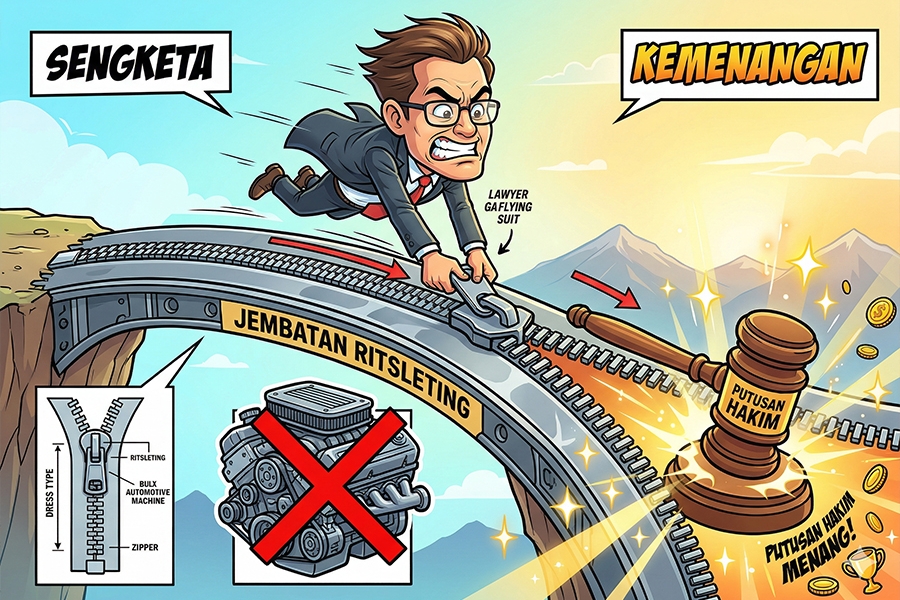
The transfer pricing dispute between PT YZI and the Directorate General of Taxes (DJP) highlights the complexity of applying the Arm’s Length Principle (ALP) through the TNMM (Transactional Net Margin Method) method. The primary focus of this dispute lies in the fiscal correction of 2019 operating profit, based on the DJP's selection of comparable companies deemed functionally non-comparable.
The core conflict began when the DJP disregarded PT YZI's Transfer Pricing Documentation (TP Doc) and established a new arm's length range based on comparable companies from global databases. The DJP insisted that PT YZI’s operating margin reflected profit shifting as it fell below the industry median. However, PT YZI argued strongly that the DJP's selected peers included heavy equipment and automotive parts manufacturers, which are fundamentally incomparable to the zipper industry.
In its resolution, the Panel of Judges emphasized that functional analysis is the "heart" of transfer pricing. The judges rejected the DJP's generalist approach in selecting comparables and acknowledged PT YZI's arguments regarding external zipper industry factors and investment cycles affecting short-term profitability. This decision reaffirms that significant functional differences cannot be ignored merely to pursue statistical median figures.
The implication of this ruling for general tax practice is the strengthening of the Taxpayer's position in defending TP Doc as long as it is supported by robust economic analysis. This decision serves as an important precedent that the DJP cannot unilaterally replace comparables without proving more accurate functional, risk, and asset comparability than the Taxpayer's data. In conclusion, precision in internal documentation and market segmentation analysis are key to winning transfer pricing disputes in the Tax Court.













 tpc.consulting
  tpc.consulting
  info@taxindo.co.id