




The withholding tax dispute under PPh Article 26 regarding management fees between PT SIWS and the Directorate General of Taxes (DGT) highlights the complexity of applying the benefit test in cross-border affiliated transactions. The tax authority corrected the tax base (DPP) by IDR 24.79 billion, claiming the Taxpayer’s failure to prove economic substance and direct economic benefits from services provided by SWS Japan, which resulted in the reclassification of costs as disguised profit distribution.
The core of this conflict centers on the interpretation of Article 18 paragraph (3) of the Income Tax Law and the Arm's Length Principle (ALP). The DGT argued that the documents submitted by PT SIWS were not specific enough to prove that the services actually occurred and were not duplicative. Conversely, PT SIWS countered by presenting comprehensive evidence ranging from Service Agreements to operational correspondence, demonstrating that global management services from SWS are crucial for maintaining strict production quality standards for automotive components.
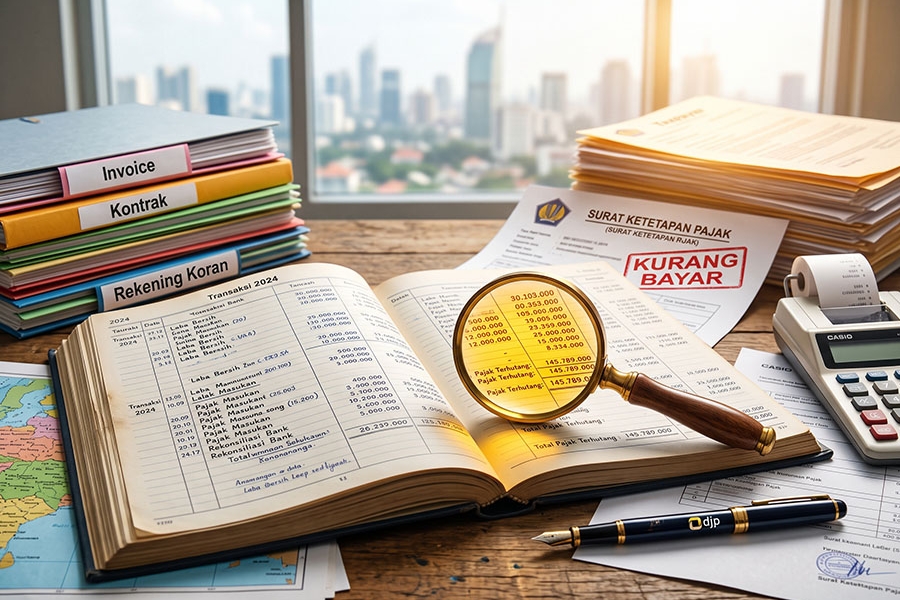
The Tax Court Judges, in their legal considerations, conducted a thorough examination of the physical evidence of service activities submitted. The Judges opined that the existence of services was materially proven through activity reports and correspondence that synchronized with the company's operational needs. The Panel emphasized that as long as the services provide commercial value to the recipient and are not shareholder activities, the costs are fiscally deductible.
This decision provides significant implications for multinational companies in Indonesia regarding the importance of dynamic Transfer Pricing documentation, rather than mere legal formalities. PT SIWS's success in proving economic benefits shows that operational details in management fees must align with business reality to counter allegations of profit shifting. In conclusion, the availability of strong and relevant supporting evidence is the primary determinant in winning benefit test arguments in court.
A Comprehensive Analysis and the Tax Court Decision on This Dispute Are Available Here








 tpc.consulting
  tpc.consulting
  info@taxindo.co.id