




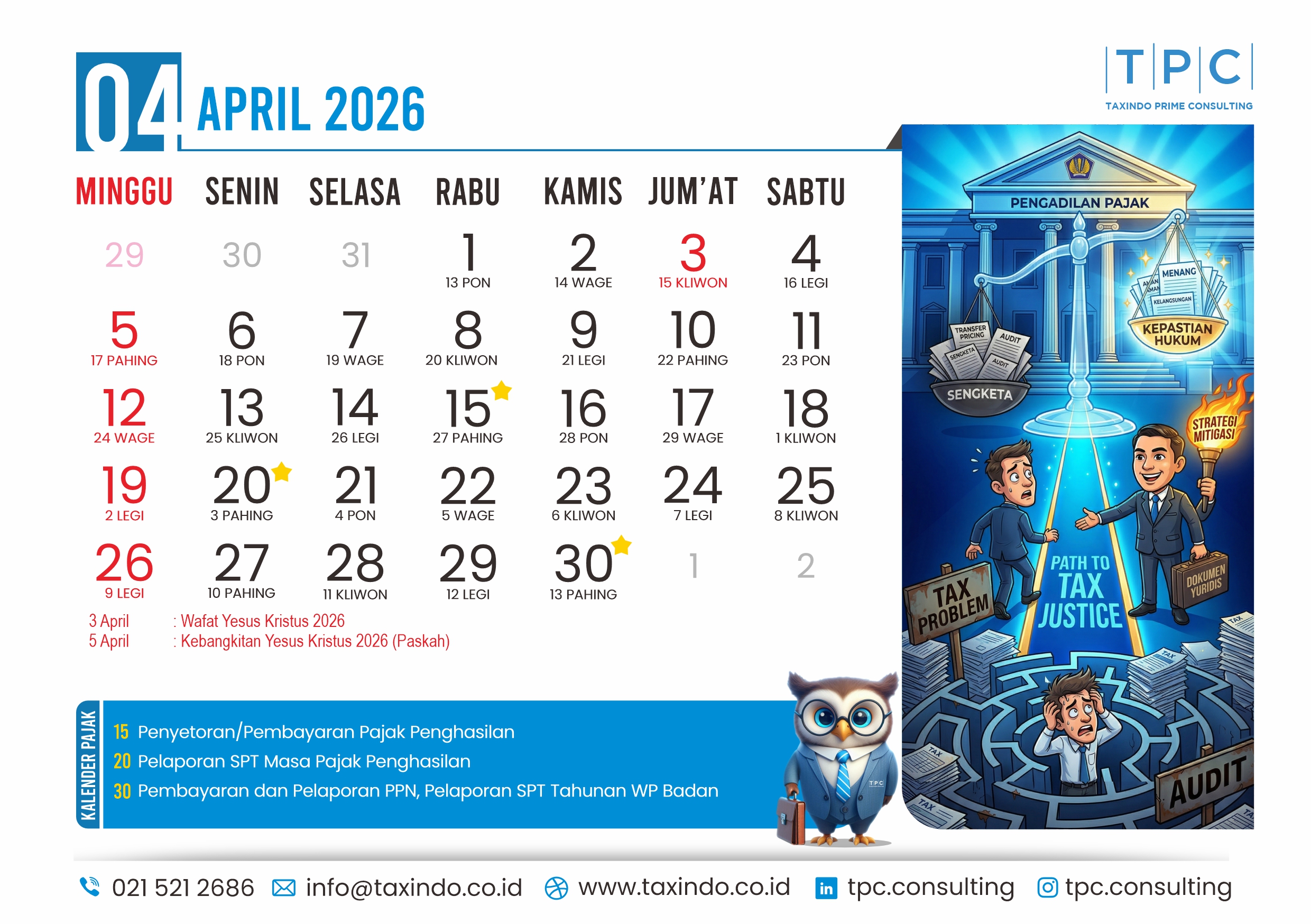
Input Tax (VAT) crediting disputes often become a stumbling block for Taxpayers when faced with Directorate General of Taxes (DGT) information system cross-check results showing "Data Not Found". In the case of PT NTT Global Data Centers Indonesia (PT NGDI), the Respondent (DGT) made an input tax correction of IDR 90,613,920.00 based on VAT Invoices not found in the DGT database, referring to the formal provisions of PER-27/PJ/2011 which requires electronic data validity.
The core of this conflict centers on the clash between a vendor's administrative compliance and a buyer's substantive rights. The Respondent argued that since the data was not found, the Input Tax was automatically non-creditable under Article 9 paragraph (8) of the VAT Law. Conversely, PT NGDI asserted that the transactions were genuine, evidenced by bank cash flows and service receipts. PT NGDI argued that a vendor's negligence in filing VAT returns should not shift the tax burden to the buyer who had fulfilled their obligation to pay VAT.
The Board of Judges, in its legal considerations, prioritized the principles of material truth and legal justice. The Board opined that as long as the Taxpayer can prove the occurrence of the transaction and the payment of VAT to the seller, the right to credit Input Tax remains protected by Law. The Court referred to Article 33 of the KUP Law regarding Joint and Several Liability, where the buyer is jointly liable if the tax cannot be collected from the seller unless the buyer can show proof of tax payment to the seller. Since PT NGDI was able to present strong evidence of money and document flows, the Board decided to cancel the Respondent's correction.
This ruling confirms that the validity of Input Tax crediting does not only depend on the "green light" of the DGT's automation system, but rather on the economic substance of the transaction. The implication is that Taxpayers must ensure that documentation of money flow (bank statements) and goods/services flow is neatly stored as the last "fortress" against the administrative failures of third parties (vendors). The Board's conclusion favored substantive justice over rigid formal procedures.
A Comprehensive Analysis and the Tax Court Decision on This Dispute Are Available Here








 tpc.consulting
  tpc.consulting
  info@taxindo.co.id