




Disputes regarding Article 26 Income Tax on royalties often represent a grey area in international tax audits, particularly when tax authorities attempt to recharacterize material procurement transactions as payments for intangible property. The case of PT SIWS in Decision Number PUT-008483.13/2024/PP/M.IB Year 2025 serves as a vital precedent on the importance of testing economic substance through concrete flow of goods and money to refute unilateral recharacterization assumptions by the Respondent.
The core of the conflict in this case focused on the Respondent's adjustment to the Article 26 Income Tax base for January 2022, amounting to IDR 8,490,697,871.00. The Respondent argued that the material purchase price paid to SWS contained an "embedded royalty" component for the use of know-how and production technology licenses. This argument was based on a functional analysis concluding that the Petitioner could not have produced goods without the technology support from its counterparty. Conversely, PT SIWS strictly denied these assumptions, stating that all payments were purely for material cost reimbursement as supported by invoices and customs documentation (PIB). They further clarified that technology licenses were paid through a separate, distinct mechanism.
The Board of Judges, in its legal considerations, provided a fundamental resolution by emphasizing the principle of evidence-based tax audits. The Board stated that the Respondent failed to specifically prove which part of the transaction value constituted remuneration for intellectual property rights as stipulated in Article 12 of the Indonesia-Japan Tax Treaty. The Judges assessed that the supporting documents presented by the Petitioner, including purchase contracts and physical evidence of goods, legally proved that the transaction was "Business Profits" under Article 7 of the Treaty, not royalties. The tax authority was deemed to have failed in proving the transfer of rights or the provision of scientific information, which are absolute requirements for the definition of royalties.
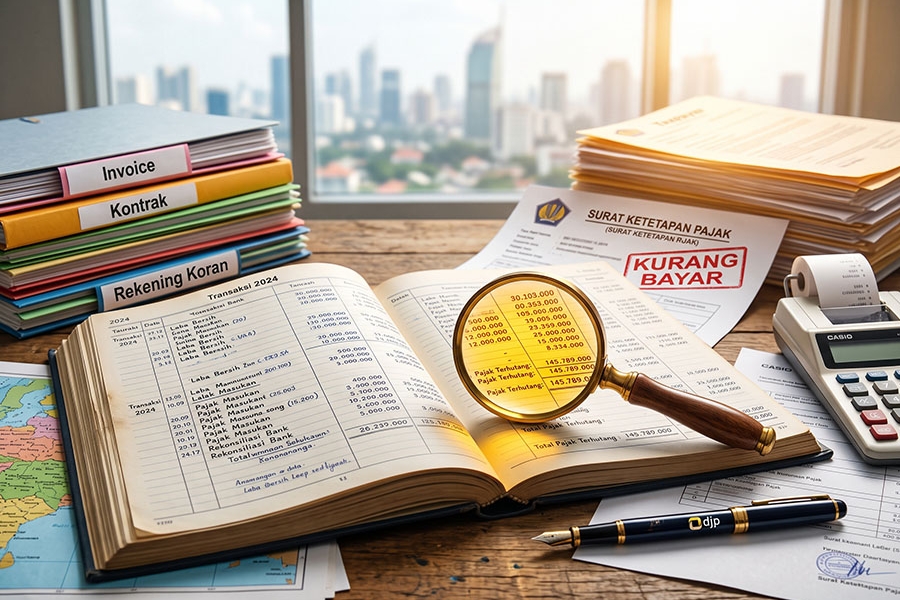
The implication of this decision reinforces that the recharacterization of transactions must not be based on mere assumptions or generalizations of functional analysis without the support of strong documentary evidence. For taxpayers, the success of PT SIWS demonstrates that diligence in documenting the flow of goods (PIB, packing lists) and the flow of money (bank statements, invoices) is the primary key to winning international tax disputes. This ruling strengthens protection for taxpayers against estimation-based adjustments and provides legal certainty in the application of Tax Treaties.
In conclusion, PT SIWS's victory serves as a reminder for tax authorities to be more cautious in applying the "substance over form" concept. Without irrefutable evidence regarding the utilization of intangible property, the classification of royalties on goods procurement transactions cannot be legally sustained.
A Comprehensive Analysis and the Tax Court Decision on This Dispute Are Available Here








 tpc.consulting
  tpc.consulting
  info@taxindo.co.id