


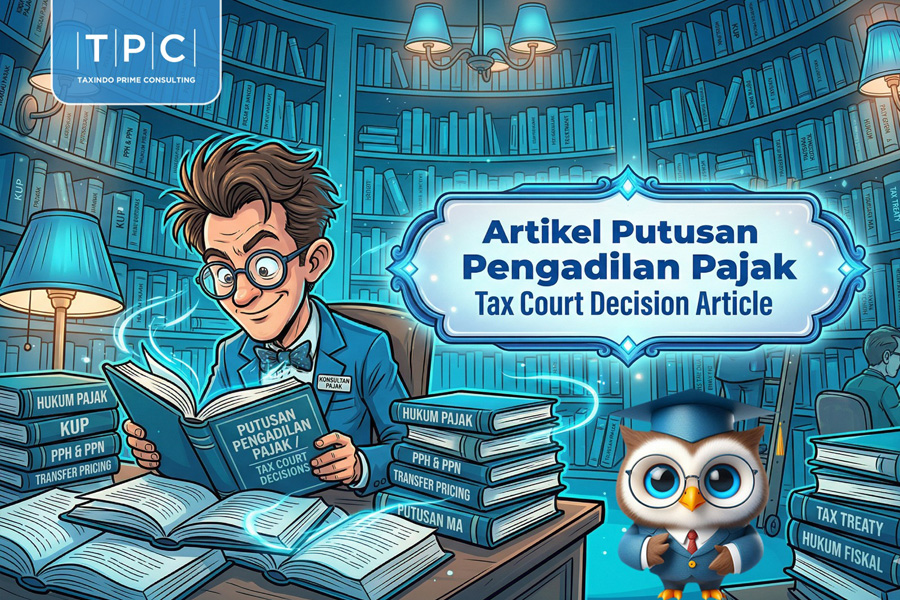
The dispute over land and building tax (PBB) in the oil and gas sector has resurfaced through the latest ruling involving BUT TEM regarding Sub-surface Exploitation objects. The core conflict stems from a correction of the Tax Object Sale Value (NJOP) amounting to IDR 24.7 trillion by the Directorate General of Taxes (DGT). The tax authority insists that under the General Elucidation of Government Regulation (PP) 79/2010, PBB is now classified as an indirect tax, which automatically imposes administrative and financial obligations on Production Sharing Contractors (KKKS).
On the other hand, BUT TEM presented arguments based on the contract law doctrine of pacta sunt servanda. The company emphasized that in the PSC signed in 2012, PBB was not included in the contractor's list of obligations because it is essentially a direct tax. The company argued that a government regulation should not have the legal power to change the status of a tax from direct to indirect simply to impose new obligations not stipulated in the original contract.
However, the Tax Court Bench took a more legalistic stance. In its resolution, the Bench stated that the elucidation in PP 79/2010 is binding and serves as a valid legal basis for categorizing PBB as an indirect tax within the upstream oil and gas industry. The Bench disregarded the expert opinions submitted by the petitioner, considering that state sovereignty in regulating taxes through formal regulations overrides theoretical interpretations or private contract clauses.
The implications of this ruling are significant for the upstream oil and gas industry in Indonesia. It reinforces that every KKKS, regardless of what is written in the PSC regarding tax burden sharing, must comply with the tax classifications set forth in PP 79/2010. Practically, this ruling creates a precedent that Oil and Gas PBB is a burden that must be paid upfront by the contractor before being compensated through operating cost mechanisms. A key lesson for Taxpayers is the need for strict synchronization between contract management and dynamic sectoral regulatory changes.




 tpc.consulting
 tpc.consulting
 info@taxindo.co.id