



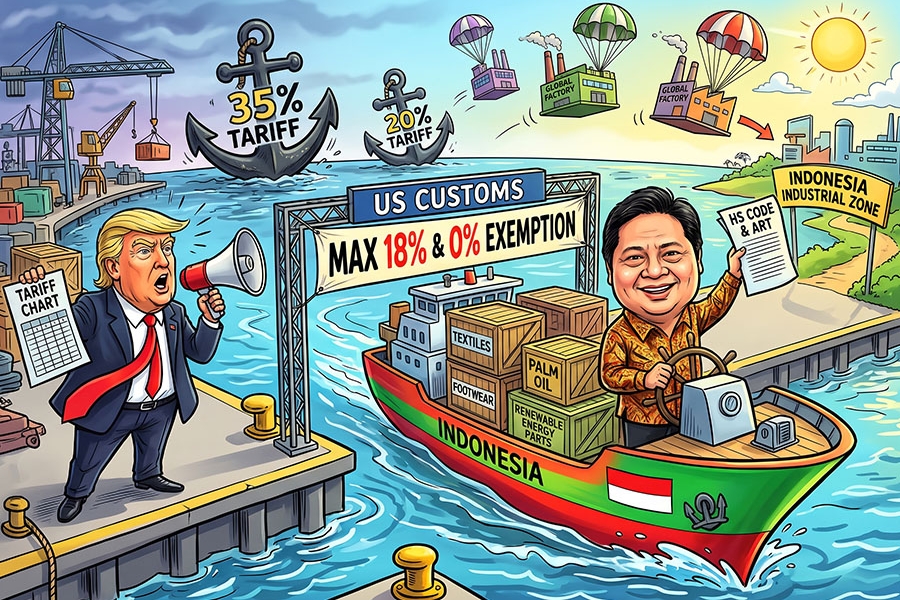
The implementation of free trade agreements often entangles importers in the rigid complexities of reciprocity regulations. PT ICK faced a customs duty tariff correction from 0% to 5% on Acetone imports from South Korea due to the use of Form AK, which is bound by reciprocal rules. The Respondent applied the tariff based on PMK 45/2022, while the Petitioner attempted to compare it with the lower RCEP tariff.
The core conflict lies in the clash between the initial scheme selection (AKFTA) and the desire to use a tariff from a different scheme (RCEP) mid-process. The Respondent insisted that the reciprocity list is a mandatory rule within AKFTA. The Petitioner argued that there was no evidence of Korea charging high tariffs on Indonesian products, but this argument was deemed speculative against specific written regulations.
The Tax Court provided a firm resolution: each FTA is exclusive. If an importer chooses AKFTA, they must accept the consequences of its reciprocal tariffs. The right to a 0% tariff through RCEP was forfeited because it was not supported by the correct documentation at the time of importation. This ruling reinforces that in customs law, procedure and formal document choice are paramount.
The implication for business players is the vital importance of conducting thorough pre-import reviews. A mistake in choosing a single "sheet of paper" (COO) can lead to significant tax burdens. Companies must proactively monitor updates to the list of goods subject to reciprocity under each bilateral or regional agreement.








 tpc.consulting
 tpc.consulting
 info@taxindo.co.id